
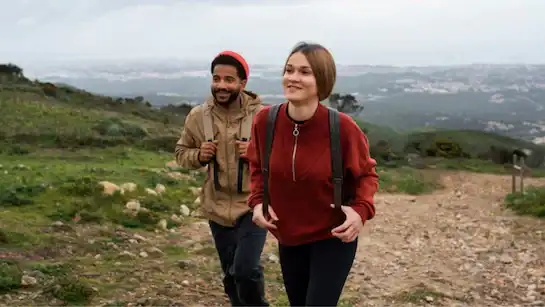
After breakup-divorce, Alpine Divorce is now a trend in modern relationships, why is this scary word going viral and what is its meaning?

In today’s world, breakups and divorce are no longer common in relationships. But, in recent months, a new and scary term has been circulating on social media: “Alpine Divorce.” It sounds like a strange story of a holiday in the mountains, but online it is being strangely linked to a scary incident of a partner being abandoned in the mountains. Let us explain this new trend in detail.
What is Alpine Divorce?
Alpine Divorce is not a legal process. This is a common internet term that means leaving a partner in a life-threatening situation while on a trekking or mountain trip. Imagine you are trekking on snowy peaks or on deserted mountain paths, and your partner suddenly disappears, leaving you behind. High altitude areas such as the Swiss Alps or the Scottish Highlands are associated with this term because the weather and conditions there can quickly become dangerous.
When did this trend start?
The term has its roots in author Robert Barr’s 1893 story “An Alpine Divorce”. In the story, a husband plans to leave his wife in a dangerous situation while trekking to Switzerland. It was a fictional story, but today the Internet has turned the same idea into new, scary slang. In early 2026, word began spreading rapidly on social media. Many women shared their experiences of feeling unsafe or alone while trekking. Some posts described it as a “survivor moment”, as if someone had left their partner behind in a joke or out of anger. In the comments section, people started calling it “Alpine Divorce.”
Is this a red flag in relationships?
Some people consider it black humor, while others consider it a serious red flag. This trend spread further through the hashtag, where people also started giving mountain safety advice, such as carrying your own map and gear, and not being completely dependent on others. Psychologically, this trend increases the fear of betrayal, especially the feelings of loneliness and insecurity, which are further increased in isolated places. Outdoor trips increased after COVID, and relationship problems also became more visible.
Share this story

Comments are closed.