

Manipur Stories: A New Vision
Whenever the name of Manipur is mentioned, political turmoil and news stories often come to the fore. But the magical world of cinema introduces us to the deep human stories of the region, which are often hidden in the news. The BAFTA award winning film ‘Boong’ is one such precious work. Debutant director Lakshmipriya Devi’s film highlights the untold story of Manipur through the innocence of a 9-year-old boy. This film shows that sometimes the hardest truths lie behind a child’s stubbornness.
The stubbornness and adventurous pursuit of an innocent heart
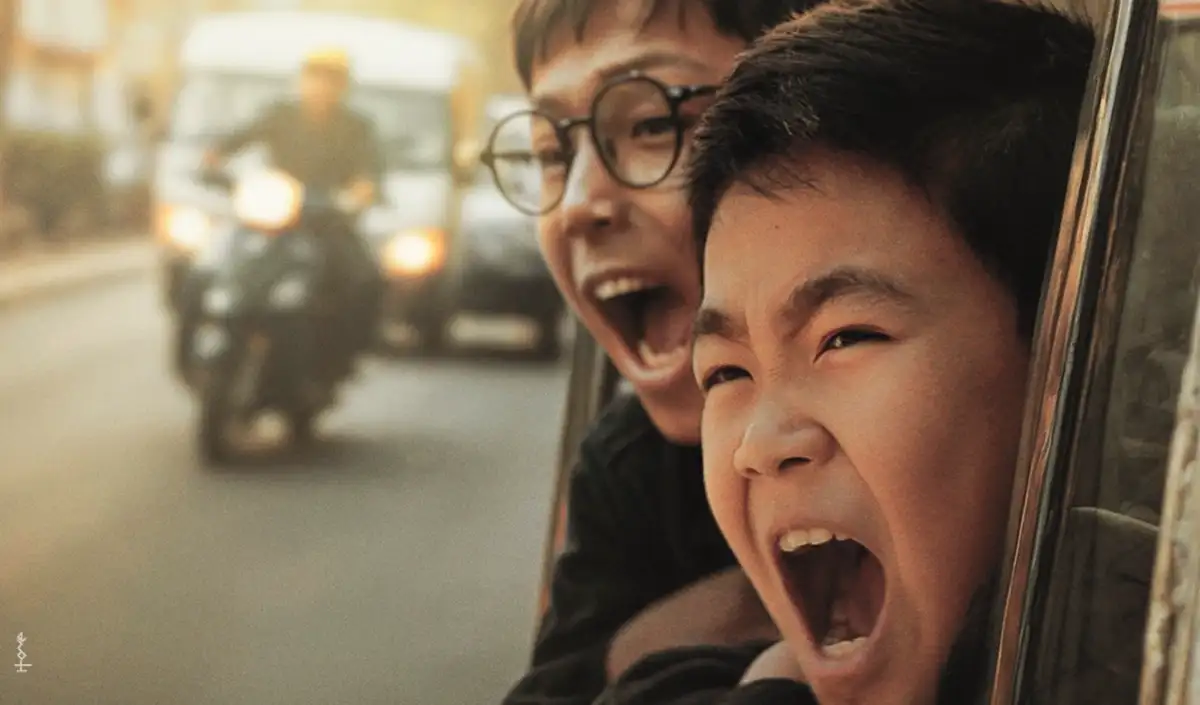
The story revolves around 9-year-old Brojendra Singh aka ‘Boong’ (Gugun Kipjen), who sets out in search of his missing father. Boong, who lives in a small village near the Myanmar border, is unwilling to accept that his father has abandoned him or died. While the grown-ups have accepted reality, Boong’s innocent heart sets out on a quest that not only takes him across boundaries, but also makes him understand the new meaning of relationships.
extraordinary emotions in an ordinary story
The specialty of ‘Boong’ is its simplicity. The film neither has any grand spectacle nor a heavy background score. Instead, it touches the audience’s heart through small everyday moments. A mischievous school boy, his worried mother and a friendship close to reality—this is the soul of this film.
Unbreakable trust between mother and son
It has been several years since Boong’s father disappeared. Phone calls and voice messages go unanswered, yet Boong believes they are alive. He wants to give a ‘gift’ to his mother, Mandakini (Bala Hijam) for her return. The entire village has accepted the father’s death, but Mandakini’s denial further strengthens Boong’s resolve. Along with his best friend Raju (Angom Sanmatham), Boong navigates the complexities of a border town like Moree and reaches Myanmar.
Clash of political background and innocence
This film seems to be the story of a child’s adventure, but behind it lies the tense social and political situation of Manipur. The issue of boundaries, identity and belonging is shown here not through noise, but through feeling. Director Lakshmipriya Devi has shown caste tensions and separatist conflicts as a part of daily life through the eyes of a child.
Light moments and social satire
Boong’s mischiefs in the film succeed in making the audience laugh. Changing the name of his school to ‘Homo Boys School’, singing a Madonna song during morning prayers, or calling a bully a “second-hand foreigner”—all reflect his growing understanding of his environment. The film quietly attacks patriarchy and prejudice without being preachy.
The magic of friendship and acting
The story of the film is based on the friendship of Boong and Raju. Both children are dealing with some form of loss—Boong does not have a father, while Raju has lost his mother. Gugun Kipjen has presented a wonderful blend of innocence and playfulness in the character of ‘Boong’. Whereas Bala Hijam has given a silent but effective performance as a mother. The tragedy hidden in his eyes gives seriousness to the film.
Conclusion: A small but mighty voice
When mainstream cinema prioritizes grandiosity, ‘Boong’ reminds that the most powerful stories often come from the smallest voices. This film is the story of a child who does not stop believing. When the movie ends, you find yourself praying for that little boy.

Comments are closed.