
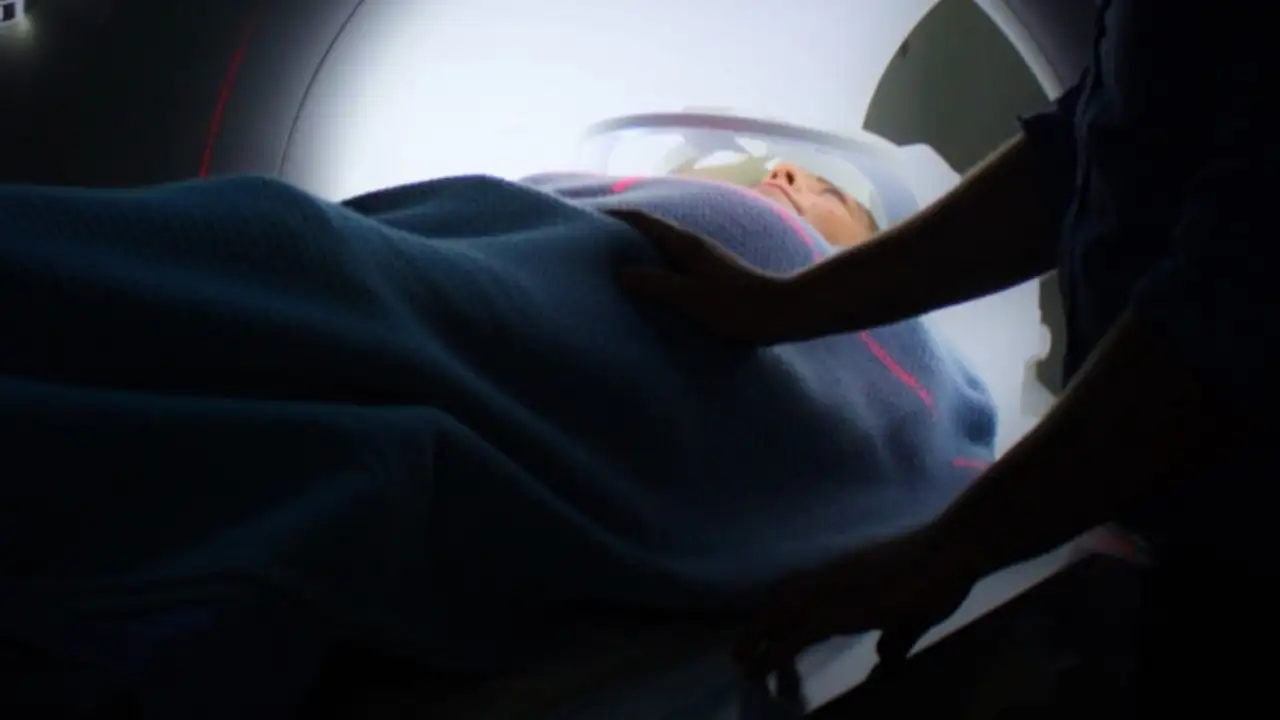

Unique process of cryonics
New Delhi: While most people consider death to be the final stage of life, some see it merely as a technical interruption. Cryonics, which is a controversial branch of science, has become the center of discussion currently. Its proponents are attempting to preserve their bodies or brains for the future, believing that they will be able to be revived when science and medicine advance.
cryonics process
The process of cryonics begins when a person is declared legally dead. Next, the body is rapidly cooled and special chemicals, called cryo-protectants, are used in place of the blood. Its main purpose is to prevent ice from forming in cells, which can damage tissues. After this, the body is preserved in vitrification (glass-like state) in liquid nitrogen at -196 °C.
Alcor and the Cryonics Institute: Guardians of the Future
There are two major organizations working in this field in the US: the Alcor Life Extension Foundation in Arizona and the Cryonics Institute of Michigan. According to statistics, more than 500 people have been protected under this process till 2026, while thousands have registered for the future. Institutions like Alcor also offer the option of ‘neuro-preservation’, in which only the brain is preserved, as it is the center of personality and consciousness.
Expensive Dream: Expenses and Life Insurance
This ‘future life insurance’ is not cheap. The cost of preserving the entire body ranges from around Rs 1.5 to Rs 2 crore ($2 lakh), while for the brain alone the amount can go up to Rs 60-70 lakh. To cover this huge expense, people often resort to life insurance premiums.
Critics consider it an impractical and expensive dream. The biggest challenge is the damage caused to the cells during freezing. However, researchers like expert Ralph Merkle believe that in the future it will be possible to compensate for this loss with nano-robots and stem cell technology. The history of cryonics begins in 1967, when James Bedford became the first person to be preserved. Even today his body is safe, which keeps alive the hope that science will one day make the impossible possible.

Comments are closed.