

Importance of sunscreen
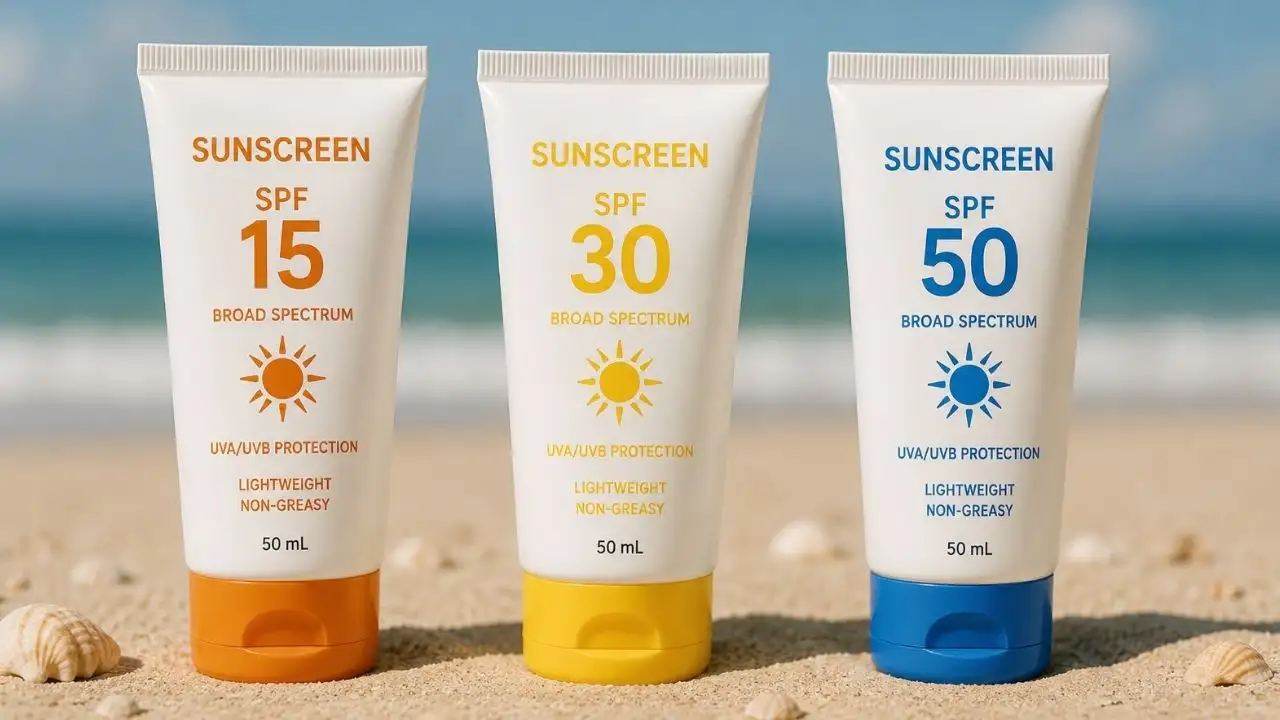
Sunscreen is an essential part of our skin care. Its use helps in moisturizing the skin as well as reducing the problem of blemishes. Everyone is aware of the benefits of sunscreen. Sunscreens with different SPF levels like 15, 30 and 50 are available in the market. In such a situation, it is important to understand which sunscreen is best suited for your skin. We discussed this topic with Dr. Shireen Furtado, Senior Consultant, Medical and Cosmetic Dermatology, Aster CMI Hospital, Bengaluru.
Importance of SPF
SPF, also known as ‘sun protection factor’, measures how long a sunscreen can protect your skin from the sun’s harmful UVB rays. These rays can cause anything from sunburn to skin cancer.
Which SPF to choose?
SPF 15 blocks approximately 93% of UVB rays, SPF 30 blocks approximately 97%, and SPF 50 blocks 98% of harmful rays. There isn’t much difference between the three, but SPF 50 is more beneficial for people who have fair skin, a history of skin cancer or those who spend long periods of time in the sun. However, no sunscreen can block 100% of UV rays. Higher SPF doesn’t mean you can stay in the sun for longer. It is necessary to apply sunscreen every two hours. Use sunglasses and shades when in the sun.
Common mistakes in applying sunscreen
Most people choose sunscreens with low SPF, which are unable to protect the skin from harmful rays. Some people use too little sunscreen and don’t apply it behind their ears, neck, and hands. Many people apply sunscreen only once a day, when it should be applied every 2 to 2.5 hours.
Selection of sunscreen according to skin type
It is important to choose the right sunscreen according to your skin type. People with oily or acne-prone skin should use light, oil-free, gel-based sunscreens. Individuals with sensitive skin should use sunscreens containing zinc oxide and titanium oxide, as these contain less chemical ingredients. People with dry skin should use cream-based sunscreen. Additionally, one should apply sunscreen with at least SPF 30 which provides protection from UVA and UVB rays. If you have any skin problems, be sure to consult your doctor before applying sunscreen.

Comments are closed.