

Increasing risk of lung diseases in Chandigarh
Chandigarh: Often, shortness of breath is ignored as normal fatigue. A persistent cough is considered an effect of the weather and wheezing is not taken seriously until it becomes difficult to even climb stairs. During this time, many patients develop serious lung diseases, requiring long-term hospitalization or major thoracic surgery.
Impact of Chief Minister Health Scheme
Recent treatment figures in Punjab under the Mukhyamantri Sehat Yojana (MMSY) show that chronic lung diseases are no longer limited to the elderly. A large proportion of hospitalized patients are from the working age group, indicating that respiratory diseases are increasing health as well as economic burden.
According to the US National Heart, Lung and Blood Institute (NHLBI), chronic lung diseases develop slowly and do not go away on their own. The sooner they are detected, the more easily damage to the lungs can be prevented. Medicines and pulmonary rehabilitation provide relief. Thoracic surgery can save life in severe cases. In such a situation, delaying treatment is never the right option. Unfortunately, many patients delay treatment due to inability to afford the treatment.
in the light of data
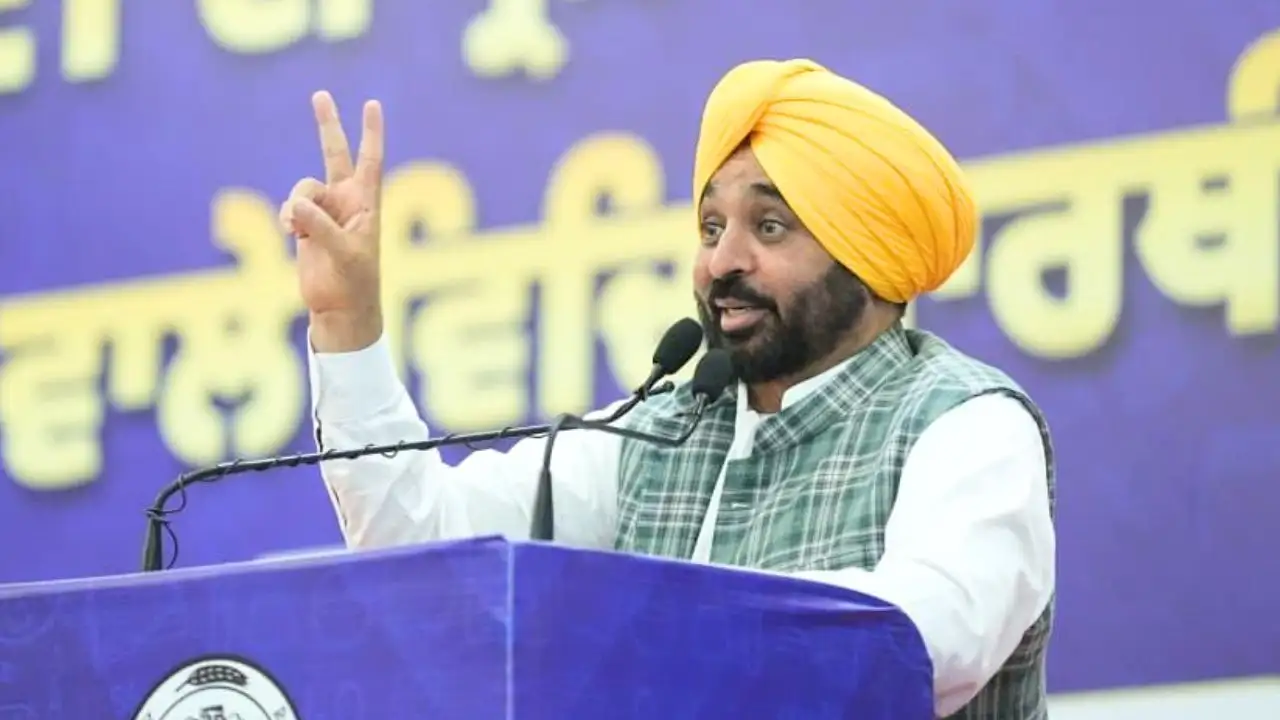
According to data shared by the State Health Agency (SHA) under the health scheme led by Chief Minister Bhagwant Singh Mann, 14,032 people availed treatment for chronic lung diseases and thoracic surgery/respiratory treatment between January 8 and July 21, 2026. A cashless amount of ₹37.30 crore was paid on these treatments. These figures tell the story of thousands of patients who did not have to worry about arranging lakhs of rupees before being admitted to the hospital. This is the biggest strength of this scheme.
According to the data, 5,559 treated cases were recorded in the 36 to 60 years age group, while 5,659 senior citizens above 60 years of age also received treatment at the hospital. These two age groups together account for more than 80 per cent of the total respiratory treatment cases treated under the scheme. An additional 2,522 young adults and 292 children also received respiratory treatment.
gender based statistics
According to gender-based data, 8,345 men were treated at a cost of ₹22.79 crore, while 5,684 women benefited from treatment worth ₹14.50 crore. Apart from this, three beneficiaries from other gender category also availed cashless health services under the scheme.
Monthly figures show that demand for specialist respiratory services remained consistent during the reporting period. The number of treated cases rose from 1,332 in January to 2,509 in April, the highest in a six-month period. Although 2,004 cases were recorded in June, the treatment value stood at ₹6.73 crore, which was the highest. This shows that more complex and expensive respiratory treatments are also being made available under the scheme.
Health Minister’s appeal
Punjab Health and Family Welfare Minister Dr Balbir Singh said, “These figures highlight the urgent need to make people more aware of respiratory diseases. People often dismiss persistent cough or breathlessness as a temporary problem or a normal symptom of aging. Unfortunately, chronic lung diseases progress slowly and without obvious signs. By the time many patients seek medical help, serious damage to the lungs has already occurred. The problem of breathlessness is sometimes undiagnosed. Should not be ignored. With timely treatment, lungs, life and livelihood can be saved.”
The Health Minister especially appealed to smokers, workers in industrial areas and people exposed to dust and pollution to seek medical advice immediately if symptoms persist. He also stressed on staying away from tobacco, reducing exposure to polluted environment and getting regular health checkups done for people suffering from chronic respiratory diseases.
Prevention of lung diseases
Early diagnosis of the disease, quitting tobacco use, reducing exposure to air pollution, adopting safety measures in the workplace, and receiving timely appropriate medical treatment are the most effective ways to prevent chronic lung diseases and avoid the need for major thoracic surgery.

Comments are closed.