

107
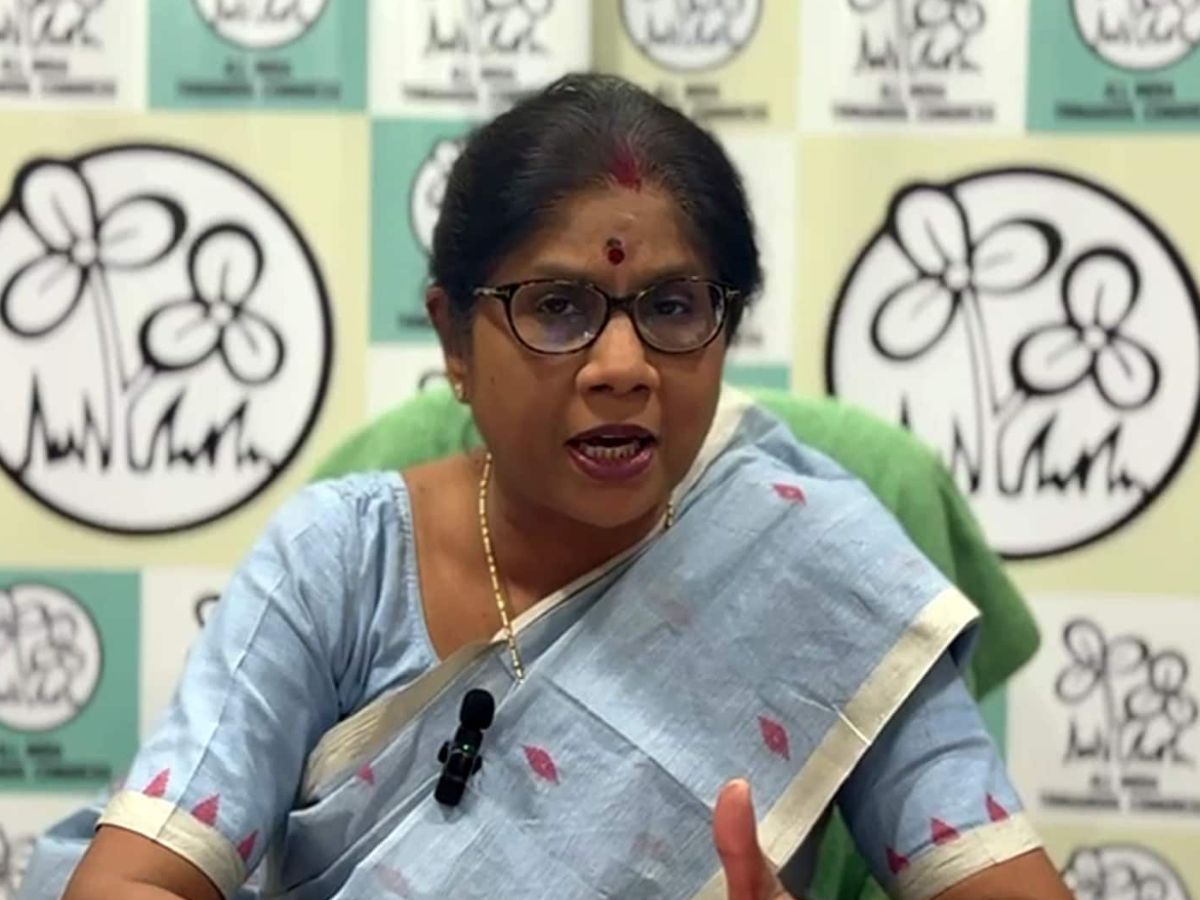
Kolkata: Dr Shashi Panja, a senior minister in the government led by Mamata Banerjee handling the women and child development as well as industries and commerce portfolios, spoke exclusively to Read on a range of issues.
Q. Critics allege gaps in implementation of welfare schemes— how do you respond to concerns about delivery on the ground?
A. I really don’t know which concern you’re referring to, because my understanding says Duare Sarkar has been effectively bridging gaps through Direct Benefit Transfer (DBT), ensuring benefits reach people directly. Outreach camps have addressed issues like distance and technological barriers, and most beneficiaries are now covered. Schemes like Swasthya Sathi and Lakshmir Bhandar have reached a large number of households, with over 2.4 crore beneficiaries, reflecting their success. While some processes pause during elections, it is unfair that long-standing schemes like Rupashree (introduced in 2018) are halted, especially when beneficiaries cannot control events like marriage dates. Overall, we have made strong efforts to ensure coverage, and any remaining gaps can be addressed if brought to our attention.
Q. How is the party countering allegations of corruption and governance deficits raised by the opposition?
A. Yes, these are difficult issues, and I acknowledge that both the party and government have faced criticism. Mamata Banerjee has maintained a strong stand against corruption, and action has been taken where allegations were genuine, along with efforts to improve transparency. However, I am concerned about the selective approach leaders like Suvendu Adhikari faced allegations earlier, but after joining the BJP, those cases seemed to fade, while our leaders were investigated in cases like Saradha and Narada. This pattern across states raises questions about fairness. Another concern is the timing of central agency actions, as CBI and ED activity often increases in Bengal during elections, leading to what we see as targeted harassment and raising doubts about impartiality.
Q. As a prominent woman leader, how do you assess the role of women voters in this election? What more needs to be done to improve women’s safety and economic participation in Bengal?
A. For me, women’s empowerment is a priority, and it must be ensured through economic, social, and political support. Under the leadership of Mamata Banerjee, policies and schemes like Kanyashree, along with self-help groups, have helped promote education, financial independence, and opportunities for women in Bengal, which I believe is a progressive society. At the same time, women’s safety is equally important. Incidents like the Abhaya (RG Kar) case are deeply unfortunate, but I believe the government acted swiftly and responsibly, with investigations carried out transparently. Measures such as Ratri Sathi, the Aparajita Bill, along with women police stations and fast-track courts, have strengthened safety and ensured quicker justice. While data shows Kolkata has been among the safer cities for women, I believe there is always scope for improvement. Crimes against women are a national issue and must be addressed uniformly. I remain committed to further strengthening both empowerment and safety for women.
Q. Do you see SIR has a role to play in your constituency, how it will impact TMC in state.
A. I believe a large number of voters in Bengal—nearly 90–91 lakh—have been unfairly deleted from the rolls, and even in my constituency, around 44,000 names are missing. With the lists now frozen, there is no scope for correction before the elections. In my view, this reflects a political strategy by the Bharatiya Janata Party, but I feel it may backfire as people are likely to respond through their votes. I also believe the All India Trinamool Congress has been actively helping voters on the ground, and the situation could have worsened if Mamata Banerjee had not intervened legally. Despite ongoing appeals, the frozen lists raise serious concerns about the fairness of the electoral process.
Q. How do you see Humayun Kabir and AIMIM in this election as they are targeting the minorities seats which is traditionally TMC core vote bank?
A. I believe minorities in West Bengal have benefited from welfare schemes under Mamata Banerjee, and it is the duty of the majority to support them. However, I feel the BJP sidelines these communities for political narratives.

Comments are closed.