
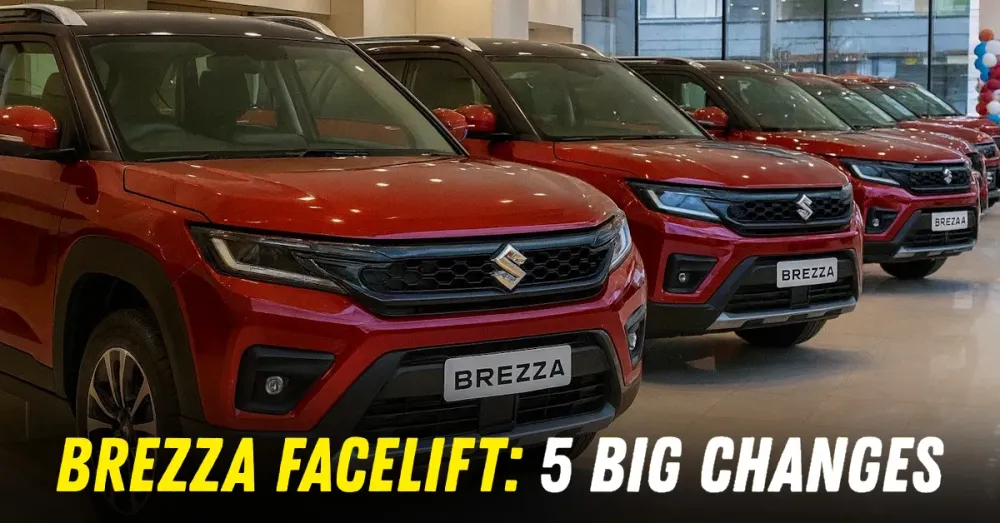

The Maruti Suzuki Brezza facelift is expected by May to June 2026, and test mules have already been spotted multiple times on public roads with minimal camouflage. The Brezza is Maruti’s best-selling SUV, sold 16,130 units in March 2026 alone, and has crossed 11 lakh cumulative units since its original launch in 2016. That kind of volume base gives Maruti every reason to refresh the car rather than let it drift into an extended product lull while rivals bring new models.
The changes being prepared sit in five areas: design, features, performance, propulsion, and the gearbox.
On the outside, the facelift will bring a revised front grille and bumper, new fog lamp positioning, connected LED tail lamps, and a fresh set of alloy wheel designs. The silhouette will be unchanged. A mid-cycle facelift on a volume platform like the Brezza is about keeping the car feeling current, not reinventing the body.
A car that sold 16,130 units in March does not need a ground-up redesign to remain relevant. What it needs is enough visible and usable change to stop buyers from drifting to newer rivals. The Brezza already has the advantage of familiarity, a wide dealer network, and a strong resale reputation. A facelift like this is designed to protect that base while plugging the gaps that have started to show in the equipment list.
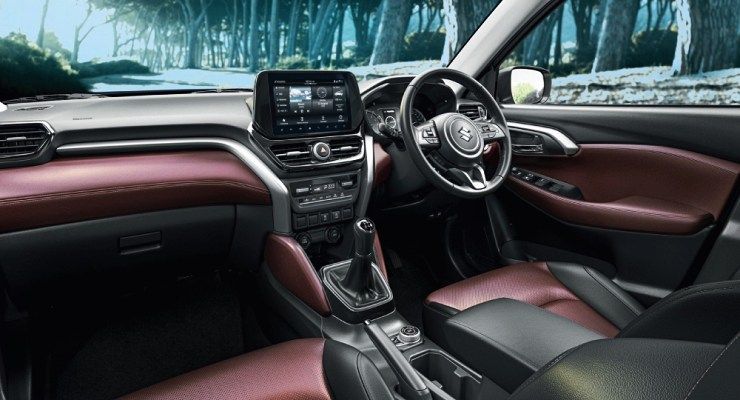
The cabin is expected to see the most meaningful upgrades. The infotainment screen size is expected to jump from the current 9-inch unit to a 10.1-inch display, the same size now used in the Victoris and the eVitara. Wireless Android Auto and Apple CarPlay support will come built in, removing the need for any cable connection. The dashboard layout will be revised to update the trim and panel design, and ventilated front seats are expected on higher trims. A new instrument console to complement the updated infotainment unit is also anticipated.
Ventilated seats matter too because this is one feature that has moved from premium novelty to genuine purchase trigger in hotter climates. In practical terms, Maruti appears to be targeting the exact areas where showroom comparisons are often won or lost in a matter of minutes.
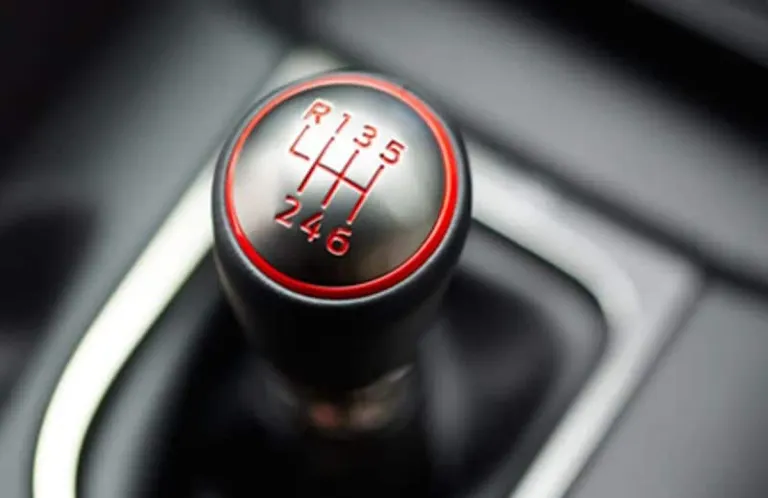
The powertrain stays as the familiar 1.5-litre naturally aspirated petrol engine making 103 bhp and 137 Nm, with the CNG option continuing alongside. What changes is the manual gearbox: the five-speed unit is being replaced with a six-speed manual.
The six-speed box gives the driver an additional gear spread, which helps both drivability in traffic and fuel efficiency at highway speeds where the engine can now stay at lower revs in sixth. The automatic option is expected to continue as a torque converter unit.
That extra ratio is one of the more useful upgrades in the package. On paper, the engine output remains exactly the same, so the gearbox becomes the main tool available to improve the driving experience without changing the motor itself.
A six-speed manual can make first and second gears feel slightly more flexible in urban use while also lowering engine strain at cruising speeds. For a mass-market SUV that will spend far more time in daily traffic and weekend highway runs than in enthusiastic driving, that is a sensible upgrade path.
The 1 liter, triple cylinder turbo petrol engine of the Fronx (100 Bhp-150 Nm) is expected to make it to the Brezza, with both 6 speed manual and 6 speed automatic gearbox options being offered. This will finally make the Brezza catch up with competition, nearly all of which offer turbo petrol engines.
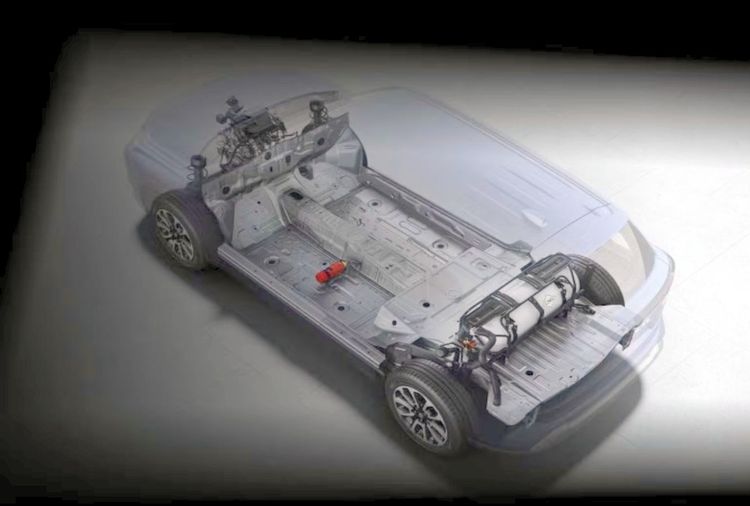
This is another important feature that buyers value as it immediately makes the boot usable. This is a feature that Maruti first introduced on the Victoris, and the facelifted Brezza will be second car to get this game-changing feature.
The Brezza’s monthly numbers have been edging lower. March 2026’s 16,130 units were down 3 percent year-on-year and 10 percent month-on-month. The Fronx, also from Maruti, now regularly sells over 15,000 units a month in a segment adjacent to the Brezza’s. Rivals like the Kia Syros, Hyundai Venue, and Tata Nexon are well-refreshed products. A facelift with the larger screen, ventilated seats, and the new gearbox gives the Brezza a fresh conversation with buyers who might have considered the car but found the feature list a generation behind what others offer at the same price.
Expected starting price for the 2026 Brezza facelift is in the Rs 8.50 lakh bracket, a modest step up from the current base of Rs 8.26 lakh. The difference is just Rs 24,000 at the entry point if that estimate holds. That is not a big increase for a product bringing visible styling tweaks, added features, and a new manual gearbox.
The higher trims landing between Rs 14 lakh and Rs 15 lakh will matter more, because that is where comparisons get toughest. But the overall approach is clear. Maruti is not trying to change what the Brezza is. It is trying to make sure buyers do not feel they are buying yesterday’s version of it.
Comments are closed.