

The 2026 edition of the Commonwealth Games will be missing several sports in which India has traditionally excelled, dealing a major blow to the country’s medal prospects.
Nearly half of India’s 61-medal haul from Birmingham 2022 came in sports that will not feature at Glasgow 2026, including wrestling, badminton, hockey, table tennis and squash.
Badminton, cricket, hockey, squash, table tennis, triathlon, wrestling, beach volleyball and rugby sevens are among the nine sports dropped from the Birmingham programme, although India did not compete in the latter two.
Why were these sports dropped?
The 2026 Commonwealth Games were initially awarded to the Australian state of Victoria. However, after projected costs escalated to AUD 6–7 billion, the state withdrew as host in 2023.
Glasgow stepped in to preserve the Games by adopting a scaled-down model that uses existing venues and trims the programme to just 10 sports. The move reduced the budget to around £160 million, nearly 60 per cent lower than Birmingham 2022.
Organisers believe this financially sustainable and cost-effective model creates a workable framework that could encourage even smaller nations to bid for and host future editions of the Games.
The Glasgow Commonwealth Games will feature 10 sports, including six fully integrated para sports: 3×3 Basketball and 3×3 Wheelchair Basketball, Artistic Gymnastics, Athletics and Para Athletics, Bowls and Para Bowls, Boxing, Track Cycling and Para Track Cycling, Judo, Netball, Swimming and Para Swimming, Weightlifting and Para Powerlifting.
What India stands to lose
At Birmingham 2022, every Indian wrestler returned home with a medal, underlining the country’s dominance in the sport.
Despite its popularity, wrestling has not been included in the Glasgow programme due to venue and logistical limitations, removing one of India’s strongest medal-winning disciplines.
Badminton has been another of India’s biggest success stories at the Commonwealth Games.
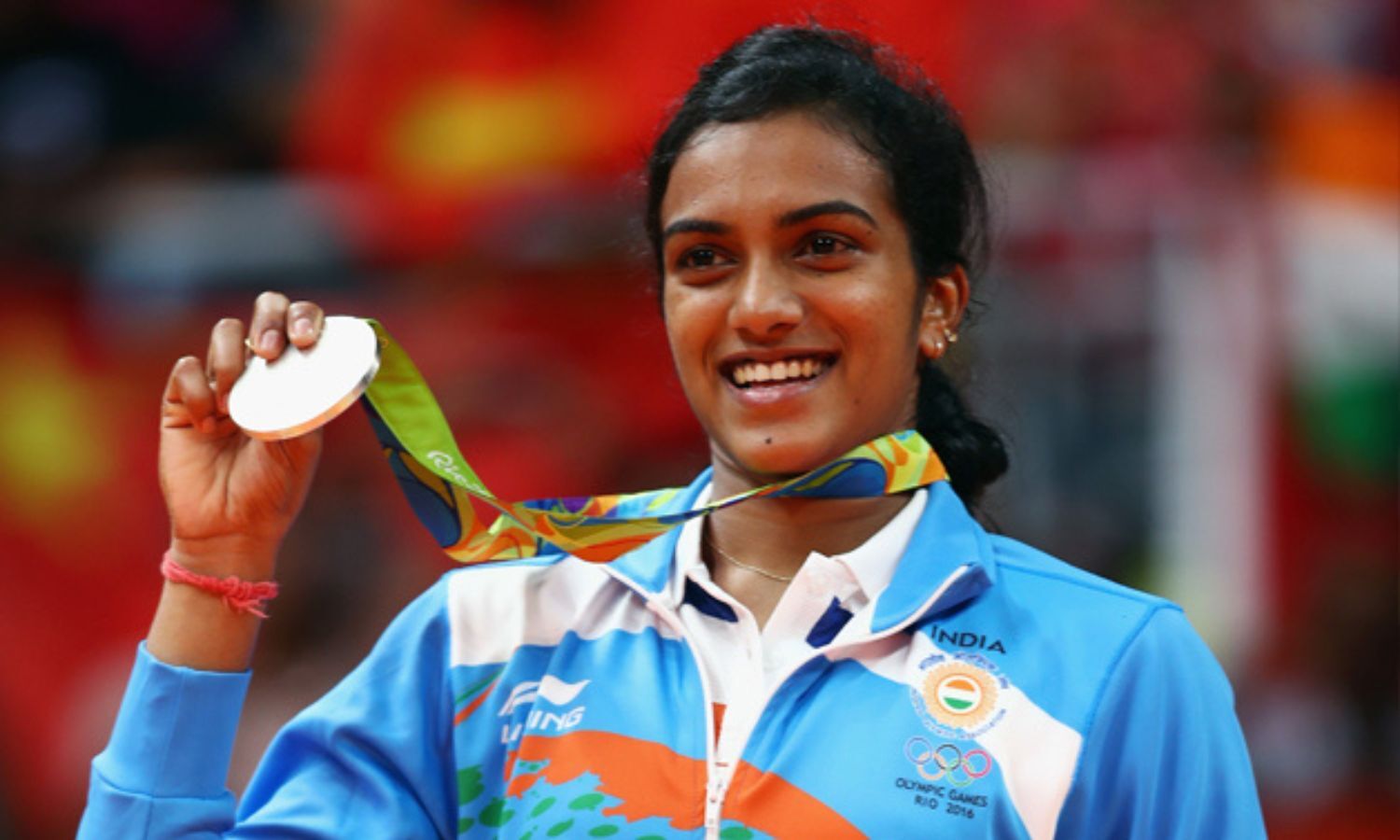
Champions like PV Sindhu, Saina Nehwal, Lakshya Sen and Kidambi Srikanth have helped India establish itself as one of the strongest badminton nations in the Commonwealth. Its absence means India’s top shuttlers will miss another opportunity to add to that legacy.
Hockey, which has been a part of the Commonwealth Games since 1998, has also been dropped. Women’s cricket, which returned after a 24-year gap at Birmingham 2022 and saw India win a silver medal, has also been removed as organisers reduced the number of sports.
India has won 564 medals at the Commonwealth Games since making its debut in 1934, including 203 gold, 190 silver and 171 bronze medals.
At Birmingham 2022, India sent 210 athletes across 16 sports and finished fourth with 61 medals. Thirty of those medals came in sports that will not feature at Glasgow 2026.
Historically, shooting has been India’s most successful Commonwealth Games sport, contributing 135 of the country’s 564 medals. Although shooting was dropped ahead of Birmingham 2022, there is optimism that it could return for Ahmedabad 2030.
These changes cost India a large share of the sports that delivered its medals at the 2022 Games:
- 13 of 22 gold medals (59.09%)
- 5 of 16 silver medals (31.25%)
- 12 of 23 bronze medals (52.17%)
Sports India medalled in at Birmingham but dropped for Glasgow 2026:
- Wrestling – 12
- Table Tennis & Para Table Tennis – 7
- Badminton – 6
- Hockey – 2
- Squash – 2
- Cricket – 1
Where India’s hopes now lie
Despite losing several traditional medal-winning disciplines, India will still field strong medal contenders in athletics, boxing, weightlifting and lawn bowls.
Two-time Commonwealth Games champion Mirabai Chanu headlines the Indian weightlifting squad. Birmingham medallists Bindyarani Devi, Harjinder Kaur and Lovepreet Singh have also qualified.
Olympic champion Neeraj Chopra returns to the Commonwealth Games after missing the Birmingham edition due to injury, while Olympic medallist Lovlina Borgohain strengthens India’s boxing campaign.
India has also named a six-member lawn bowls squad, with three athletes returning from the country’s historic Birmingham 2022 campaign.
Rupa Rani Tirkey and Nayanmoni Saikia were part of the Indian women’s fours team that won India’s first Commonwealth Games gold in lawn bowls, while Navneet Singh featured in the men’s fours team that claimed silver.
Murali Sreeshankar, Priyanka Goswami and Tejaswin Shankar are among the returning Commonwealth medallists, while Parul Chaudhary, Gulveer Singh, Tajinderpal Singh Toor, Praveen Chithravel, Rohit Yadav, Samardeep Singh Gill and Lokesh Sathyanathan are among the athletes expected to challenge for medals in Glasgow.
Can India adapt to a new Commonwealth Games?
With several of its traditional medal-winning disciplines missing from the Glasgow programme, India will have to rely on a different mix of sports to maintain its position among the Commonwealth’s leading sporting nations.
Athletics, boxing, weightlifting, lawn bowls, and judo are expected to shoulder a greater share of the medal burden as opportunities in wrestling, badminton, hockey and table tennis disappear.
The reduced 10-sport programme also means fewer medal events overall, leaving little room for error. Athletes competing in the remaining disciplines will face greater pressure to deliver, making consistency across sports more important than ever.
While Glasgow 2026 may limit India’s traditional medal avenues, it also presents an opportunity to showcase the country’s growing depth across multiple disciplines.
How India adapts to this changing landscape could define its campaign at one of the most unique editions of the Commonwealth Games.

Comments are closed.