
India–US trade deal row: Cong invites Rahul, Kharge to Kashmir; Omar flags threat to apple growers

Amid intense debate over the impact of the proposed India–US trade deal on fruit growers of Jammu and Kashmir in general, and the Kashmir Valley in particular, the Congress leadership has decided to invite Leader of Opposition (LoP) Rahul Gandhi and party president Mallikarjun Kharge to the Valley to interact with farmers.
Politics over the India–US trade deal in Jammu and Kashmir is likely to intensify in the Union Territory, especially as Chief Minister Omar Abdullah has already opposed the proposed pact.
Apple growers from Jammu and Kashmir, Himachal Pradesh, and Uttarakhand have also decided to protest in Delhi next month against the proposed duty concessions on US apples.
Seeing the issue as an opportunity to expand the party’s footprint in the Kashmir Valley, the Congress leadership, during a marathon meeting to discuss what it termed the “anti-farmer” India–US trade deal, announced that Mallikarjun Kharge and Rahul Gandhi will address fruit growers in Kashmir next month.

“We have decided to invite our top leadership, including party president Mallikarjun Kharge and LoP Rahul Gandhi, to interact with farmers of Jammu and Kashmir as part of the party’s ongoing programme to oppose the anti-farmer India–US trade deal,” working president of the Jammu and Kashmir Pradesh Congress Committee Raman Bhalla told The International Business Times.
He said Mallikarjun Kharge and Rahul Gandhi are likely to address farmers next week.
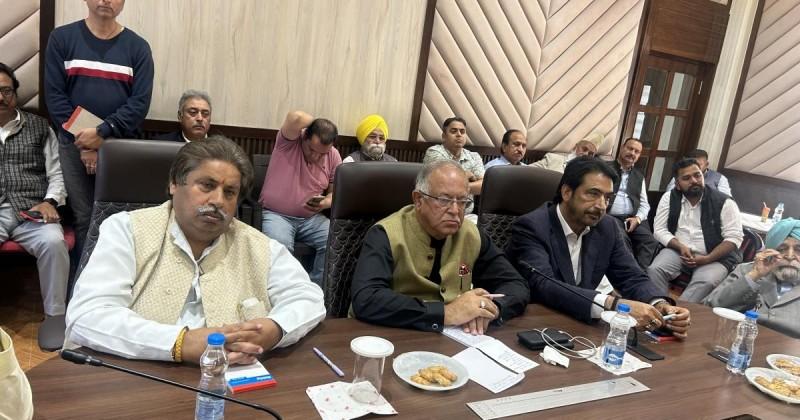
Earlier, the J&K Congress held a six-hour marathon meeting to chalk out an action plan to oppose what it termed the “unilateral” India–US trade deal, which the party believes will hit farmers, fruit growers, and allied sectors in Jammu and Kashmir harder than in other parts of the country.
J&K Congress president Tariq Hameed Karra chaired the meeting, which was attended by prominent leaders from all 20 districts of the Union Territory, including senior leaders, MLAs, and former ministers and legislators.
Addressing the gathering, Karra said the recent India–US deal would severely impact farmers and fruit growers, particularly in Jammu and Kashmir. He alleged that the deal had been imposed under external pressures and claimed that farmers’ interests had been compromised.
He said the Congress party and the entire opposition had raised serious objections to the mode, manner, and contents of the agreement, terming it anti-farmer, anti-people, and against the interests of the nation.
Karra urged party cadres to rise to the occasion, create awareness among farmers, and stand with them in this hour of need. He said the party has planned a series of fruit growers’ and farmers’ conventions in both the Kashmir Valley and the Jammu region and has invited Congress president Mallikarjun Kharge and LoP Rahul Gandhi to attend next month.
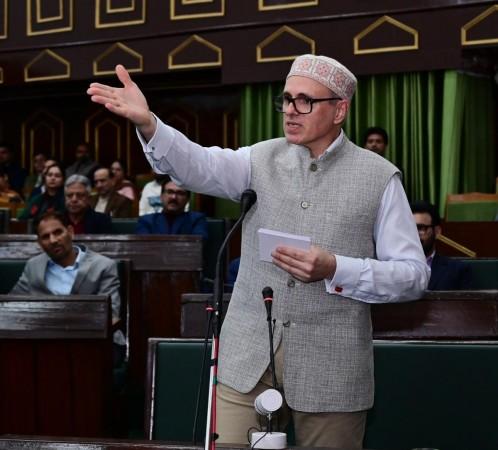
CM Omar Abdullah opposes trade deal
Jammu and Kashmir Chief Minister Omar Abdullah has already expressed serious concerns over the proposed trade agreement with the United States, warning that it could spell disaster for the Union Territory’s horticulture sector if left unaddressed.
He said the duty-free import of American agricultural products poses a direct threat to local fruit growers, who have invested heavily in improving quality and productivity over the years.
“If we have to compete with countries like the US, and it appears that their agricultural produce—especially horticulture products such as fruits, nuts, walnuts, and almonds—will start entering our markets after this trade deal, we will have to improve our production, productivity, and quality,” he said.
The Chief Minister, however, questioned whether the agreement would bring any benefits to Jammu and Kashmir. “We don’t know what the benefits will be in the rest of the country, but for us, we see potential losses. The items allowed to enter duty-free—almonds, walnuts, apples, fresh and dry fruits—are our core products. These are the backbone of Jammu and Kashmir’s economy,” he pointed out.
He argued that the arrangement could create an uneven playing field, where superior-quality imports dominate the market while local produce suffers.
“Our growers have invested significantly in improving their products over the past few years. New varieties have been introduced, and high quality has been achieved. Through Controlled Atmosphere (CA) stores, we are now able to supply better products to the market at the right time. If good-quality imports come at lower prices while our produce is undervalued, it will be a serious setback for our growers,” Omar Abdullah said.

Comments are closed.