
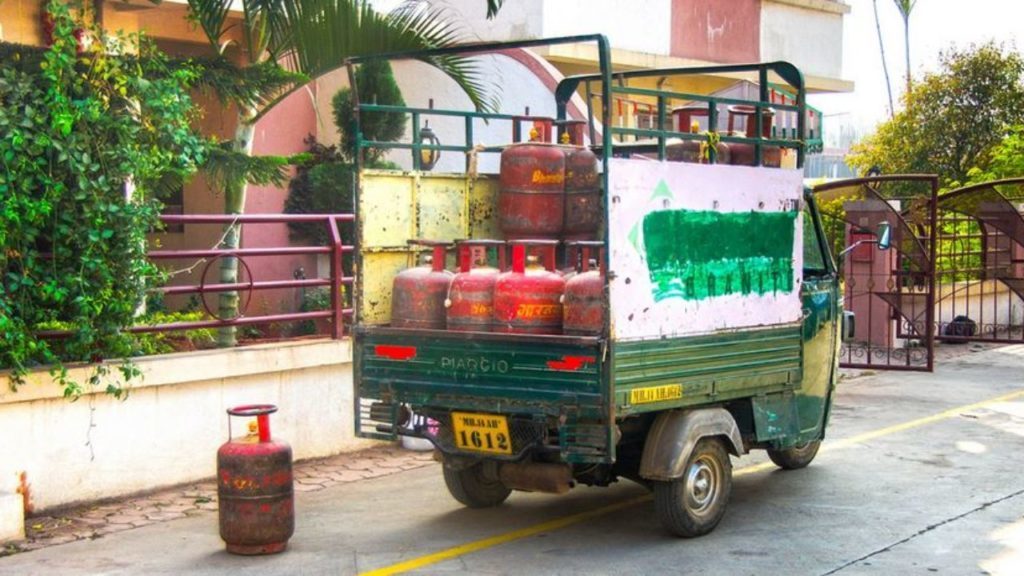

India’s oil marketing companies (OMCs) have imposed a 21-day lock-in period between LPG cylinder bookings after witnessing a sharp spike in panic orders. The surge in demand came amid growing concerns about supply disruptions caused by geopolitical tensions in West Asia.
Companies such as Indian Oil Corporation (IOC) and Bharat Petroleum (BPCL) implemented the restriction to discourage hoarding and maintain stable supply across the country. The measure aims to prevent consumers from booking multiple cylinders in a short time due to fear of shortages.
How the New 21-Day Rule Works
Under the new system, consumers will be able to book their next LPG cylinder only after 21 days from the delivery date of the previous cylinder. The restriction has been implemented through updates in the booking systems used by oil companies and distributors.
Earlier, the gap between bookings was shorter, allowing customers to place another order relatively quickly. However, the sudden rise in booking volumes forced oil companies to introduce stricter controls.
Industry representatives said panic bookings could put tremendous pressure on the supply chain and disrupt deliveries if not managed carefully.
Panic Buying Linked to Middle East Conflict
The surge in bookings is closely linked to the ongoing conflict in West Asia, which has raised concerns about global energy supply disruptions. The region is a major supplier of oil and LPG to many countries, including India.
India imports a significant share of its LPG requirements, making the domestic market sensitive to global supply disruptions and rising crude oil prices.
News of escalating tensions in the region triggered anxiety among consumers, prompting many households to book cylinders earlier than usual.
Sudden Spike in Bookings Across Cities
In some regions, booking volumes increased dramatically within a few days. For instance, reports indicated that around 1.5 lakh LPG bookings were recorded in parts of Kolkata in a single daycompared with the normal daily average of about one lakh.
This surge led to delivery bottlenecks and increased pressure on distributors, prompting OMCs to quickly implement the new lock-in rule.
Government and Industry Reassure Consumers
Despite the panic buying, oil companies and government officials have reassured consumers that there is no immediate shortage of LPG in the country.
The restriction is primarily a precautionary measure designed to maintain balanced distribution and prevent unnecessary stockpiling. Authorities have also urged consumers not to panic and to book cylinders only when required.
The situation highlights how global geopolitical tensions can quickly influence domestic fuel markets and consumer behaviour in India.

Comments are closed.