

- That text in Book VIII is against the Constitution
- Defamation of Judiciary from Education System
- NCERT’s claims created a stir in legal circles
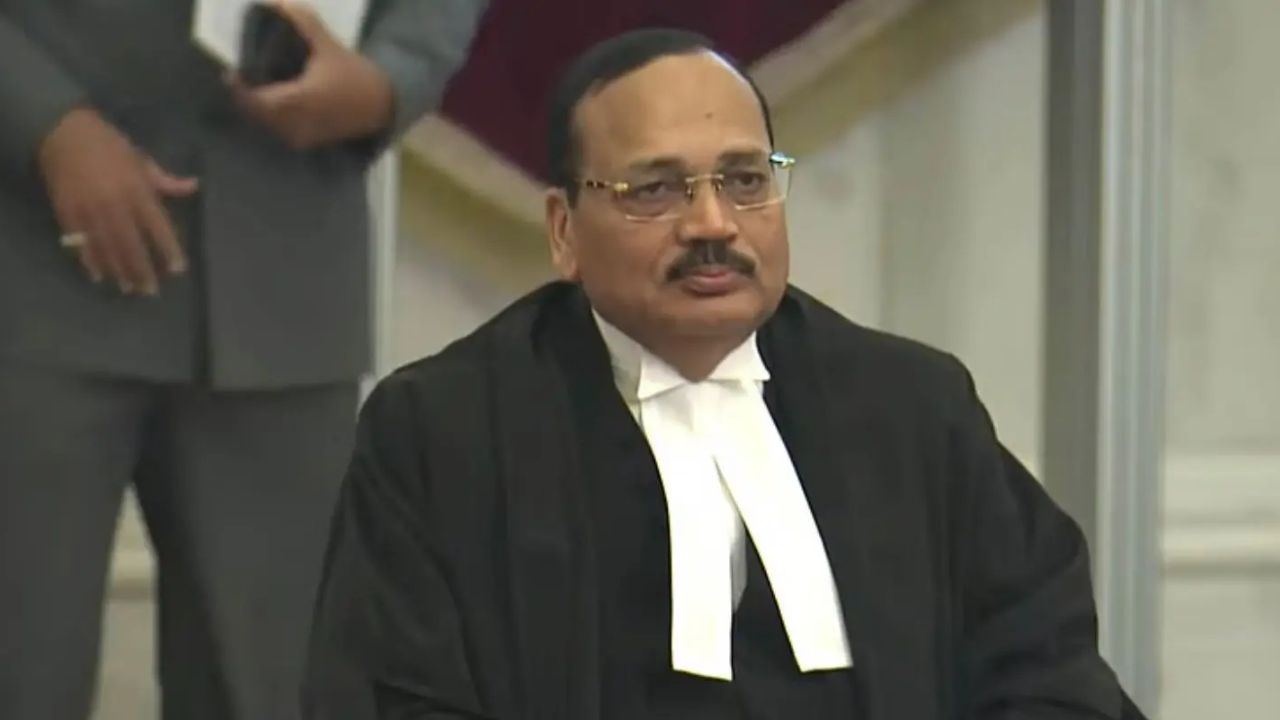
CJI Surya Kant on NCERT: The Supreme Court expressed displeasure over the inclusion of issues like “corruption in the judiciary” and shortage of judges in NCERT’s Class VIII textbook. Chief Justice Suryakant has indicated to take cognizance of this matter on his own. A major controversy has arisen between the country’s education system and judiciary. Chief Justice Suryakant is upset over the comments made in NCERT’s new class VIII textbook on the functioning of the judiciary and the corruption prevalent in it. It has been criticized as a deliberate attempt to discredit the judiciary. (Supreme Court)
The Supreme Court has come down hard on the new text related to judiciary in NCERT’s Class VIII social science textbook. During the hearing, Chief Justice Suryakant made it clear that we will not allow anyone to defame a constitutional institution like the judiciary. Also, it is a “well-planned and deliberate attempt” and the court will take cognizance of the matter on its own and take appropriate legal action. Justice Bagchi also expressed concern and said it was against the basic structure of the Constitution.
BMC Budget 2026-27: Will Mumbai be transformed? 80,952 crore provision in the budget
What is Controversial about NCERT Textbook?
The root cause of this controversy is a new chapter in the Class VIII Civics textbook titled “The Role of the Judiciary in Our Society”. A special section titled “Corruption in Judiciary” has been added to this chapter. The textbook teaches:
• People face corruption at various levels of the judiciary, which hinders access to justice for the poor.
• There is a severe shortage of judges in the courts and the infrastructure is very weak.
• Judiciary system is so complex that cases remain pending for years.
Senior advocates also raised concerns: the impact on children’s minds
Senior advocates Kapil Sibal and Abhishek Manu Singhvi brought this serious matter to the notice of the court. He argued that teaching such negative literature about the judiciary to young school-going children is extremely worrisome, as it may convey a negative message about the judiciary. Sibal requested the court to intervene, to which the Chief Justice said that he had received numerous calls and messages on the matter and was fully aware of the situation.
Baramati By Election: Sunetra Pawar in the assembly arena! NCP big for Baramati by-election
The content of a new book published by NCERT has sparked a huge debate in legal and academic circles. The book directly comments on the alarming statistics of pending cases in the country and the challenges in the judiciary, which the Supreme Court is understood to have expressed its displeasure with.
Shocking statistics from the book:
The book presents the following statistics highlighting the current state of the judiciary in the country. Approximately 5 crore cases are pending in courts across the country. Level-wise, the Supreme Court has 81,000 cases pending, while High Courts, 6.24 million (62.4 lakh) and District and Lower Courts: 47 million (4.7 crore). Shortage of Judges: The book points out that acute shortage of judges is the main reason behind such a large backlog of cases.
Justice B.R. Gavai’s commentary included
In this book, not only the statistics, but also the flaws in the judicial system have been commented on. In the book, Supreme Court Justice B.R. A comment by Gavai is mentioned. He had said that corruption and malpractices in the judiciary were tarnishing the image of the institution in the public mind. Also, a ‘code of conduct’ for judges has been included in the book, emphasizing on transparency.

Comments are closed.