
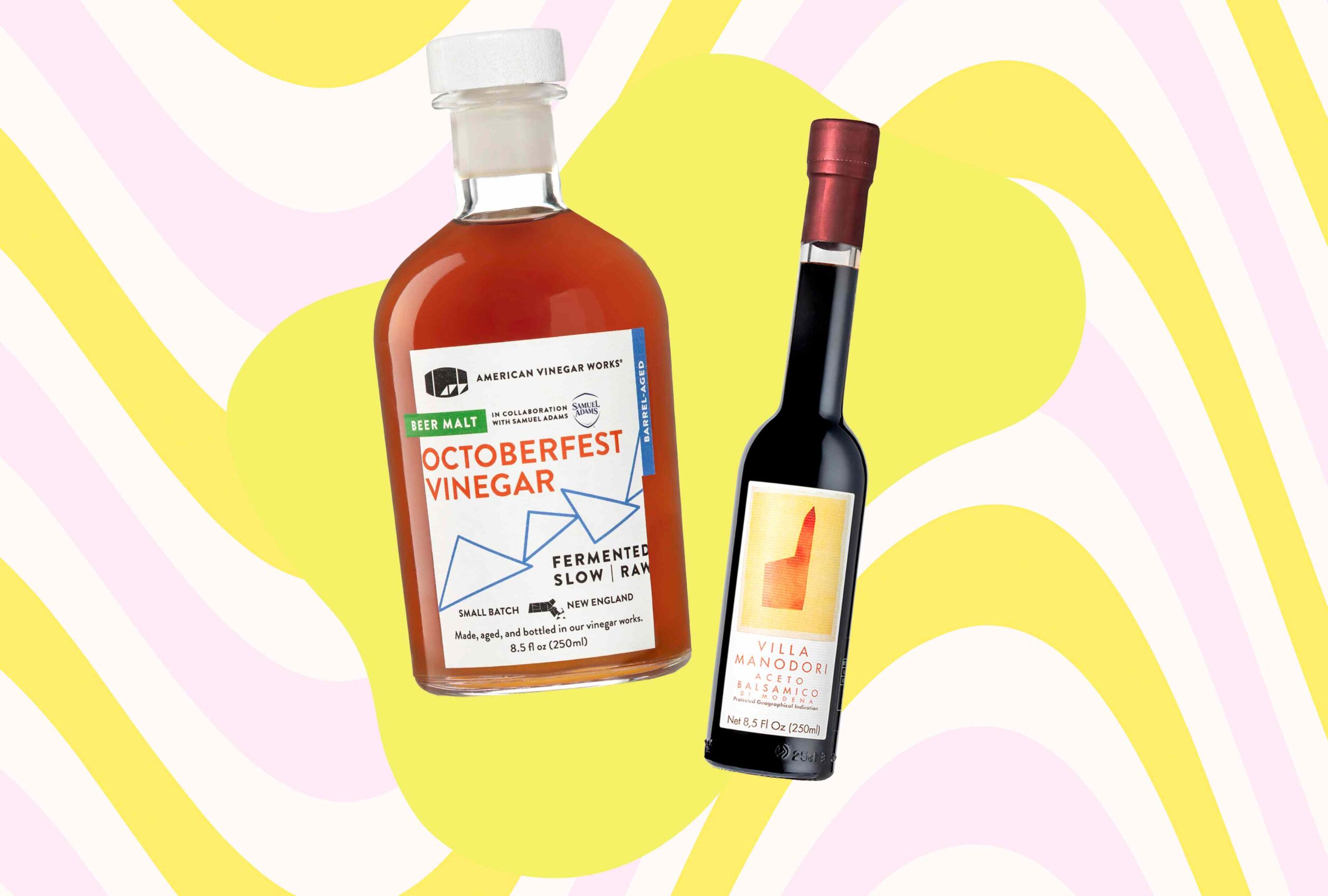

These artisan bottles bring depth, nuance and balance to everything from salads to cocktails.
Products: Courtesy of Brand. EatingWell design.
Key Points
- Craft vinegar is made slowly from quality alcohol for deeper flavor.
- It can enhance dressings, sauces, cocktails and even desserts.
- Smaller producers are fueling a growing interest in artisanal vinegar.
When Rodrigo Vargas was 13 years old, he tried making a batch of wine in the basement of his family’s home in Southern Portugal. He stomped the grapes, added yeast and waited patiently. When he poured the ruby liquid into glasses, it looked beautiful, he recalled, but it wasn’t wine—it was vinegar.
Now, the Columbia Business School graduate and owner of Worcester, Massachusetts–based American Vinegar Works buys other people’s booze and turns it into vinegar on purpose.
Vargas and American Vinegar Works are part of an upswell of craft vinegar–making in the United States, along with other small producers such as Keepwell Vinegar in Dover, Pennsylvania, and Hawaiian Vinegar Company in Wahaiwa, Hawaii.
At the end of 2025, The New York Times published a story by longtime food journalist Kim Severson predicting 2026 food trends. In it, the author guessed that vinegar would be the “ingredient of the year.”
To justify the claim, she pointed out the growing popularity of nonalcoholic cocktails that call for a splash of vinegar to add complexity, and a growing interest in punchy, homemade salad dressings. Plus, Severson said, “The quality and styles of vinegars available to home cooks will continue to expand.”
Product specialists at Whole Foods agree. When they selected eight items expected to trend this year, they included vinegar along with tallow, fiber and items produced by female farmers.
In addition to having a reputation for being healthy, the craft vinegar movement makes sense because of the way it relates to the craft alcohol movement, Vargas explained.
He dreamed up the idea for his business when he realized that American companies were producing such wonderful wine, beer, cider and mead, but hardly anybody was turning that alcohol into vinegar. Here’s this opportunity, he recalled thinking. But how the hell do you make vinegar?
What Craft Vinegar Is (and Isn’t)
The most familiar modern vinegar, distilled white vinegar, is generally made from distilled alcohol (ethanol). By adding bacteria and rapidly aerating the liquid, the alcohol can be converted into acetic acid—vinegar’s main ingredient—in 24 to 72 hours.
The finished product is boiled, the condensed vapor is collected and water is added to dilute the liquid to 5% acidity. Similar processes are used to turn low-quality wines into mass-produced red-wine and white-wine vinegar.
By contrast, using the traditional Orléans method of producing vinegar, developed in the Middle Ages, it takes up to three months to convert the alcohol in chardonnay wine or hard apple cider into acetic acid, and the resulting vinegars are often barrel-aged for even longer to develop further complexity.
With slower methods such as that one, the character of the alcohol used will come through in the finished product, yielding a degree of nuance that’s impossible to achieve with industrial processes.
Some vinegar makers, like the folks at Keepwell Vinegar in Pennsylvania, create many of their own base alcohols. Others, such as Vargas, buy them from producers in the craft beverage industry.
All vinegar begins as alcohol, but every craft vinegar maker has a distinct set of equipment and a unique process, which means that each brand has its own distinctive fingerprint. Some companies hew to very traditional approaches and supplies, while others mash up modern technology with ancient production methods.
And there are plenty of businesses out there buying unnamed vinegars and blending them with fruits, herbs or spices to make fancy-sounding products. Some of these may be lovely and elegant, but unless the vinegar itself is produced from high-quality alcohol using slower methods, they aren’t craft vinegars.
Here are some craft vinegars to seek out.
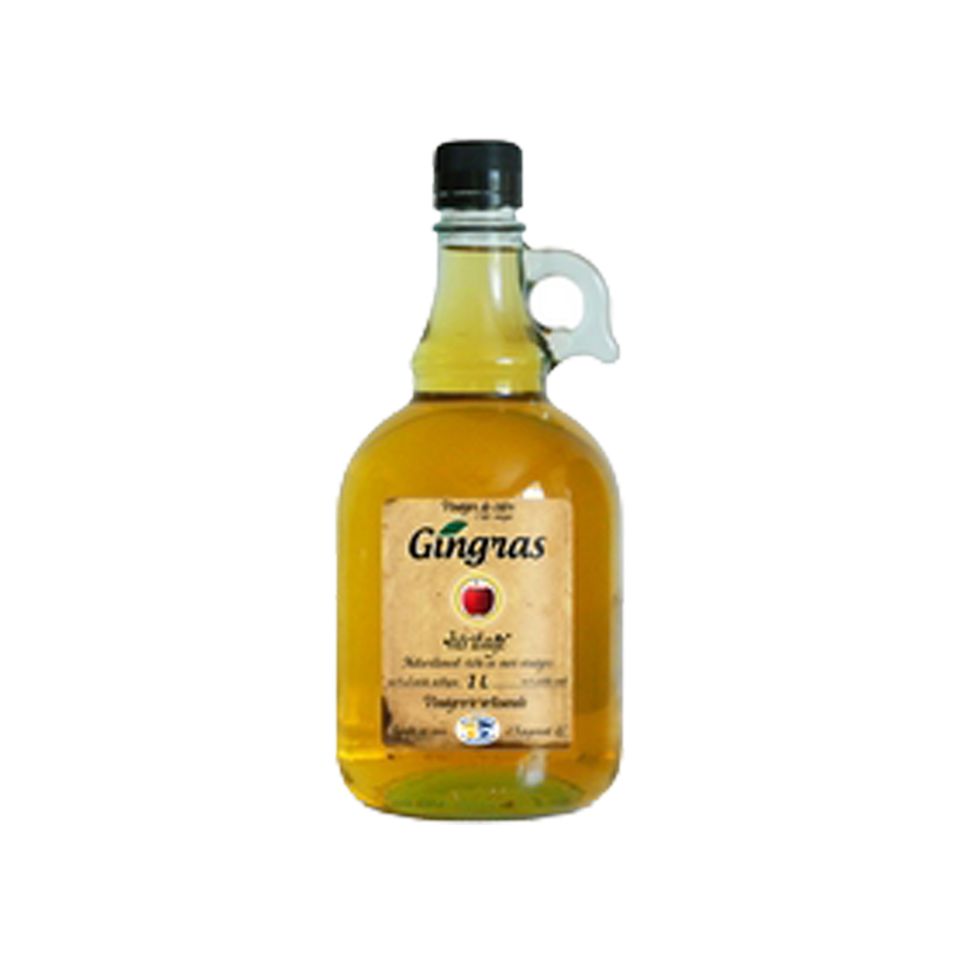
Vinaigerie Gingras Aged Apple Cider Vinegar
Courtesy of Brand
This Québec company, located just north of the Vermont border in Frelighsburg, uses its own apples and traditional French methods to make apple-cider vinegar, which is then aged in oak barrels for two years.
The business was founded in the 1980s. According to its website, when workers completed the construction of the current Gingras vinegar mill in 1998, it became the largest “apple cider vinegar cellar” in the world.
Because of the size of the operation, its classic artisanal cider vinegar is less expensive than some of the sought-after bottles from smaller companies, making it a great place to begin an exploration.
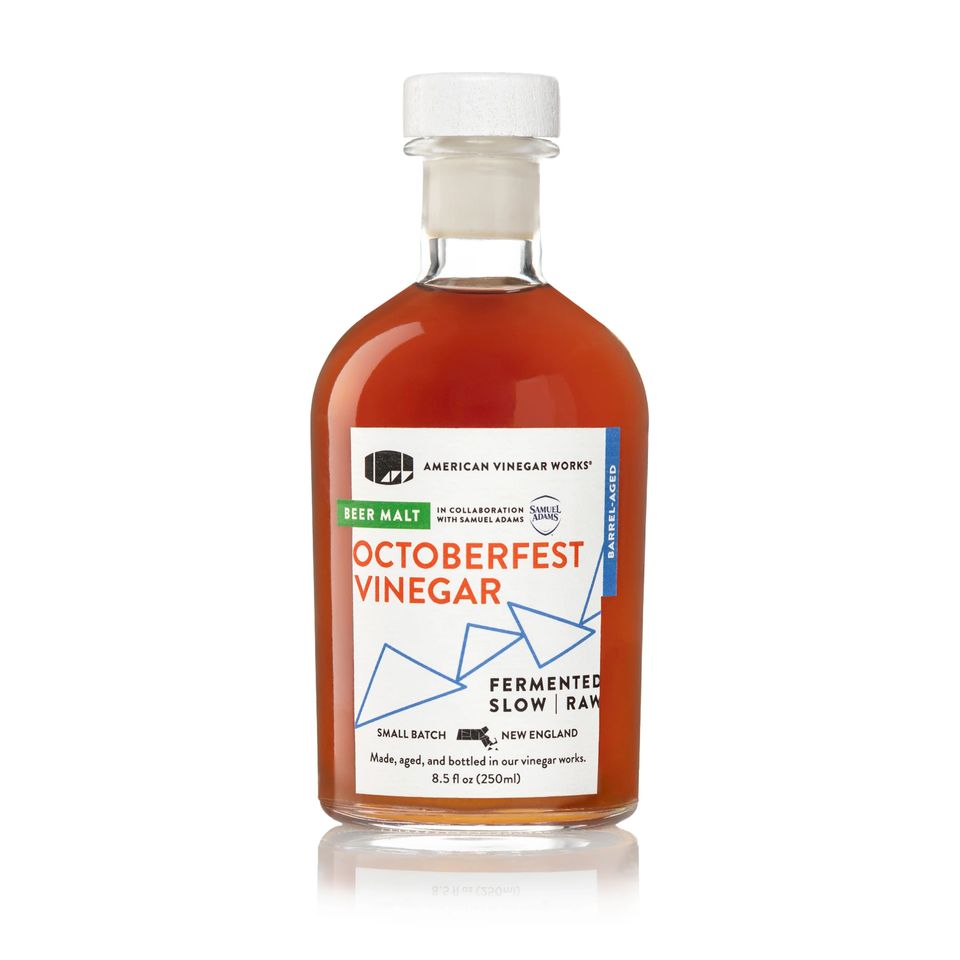
American Vinegar Works Octoberfest Vinegar
Courtesy of Brand
For those new to using craft vinegar, the line of beer malt vinegars from American Vinegar Works—including variations made with IPA, porter and Samuel Adams Octoberfest—is a fun and comfortable entry point.
If you’ve sprinkled vinegar on fish and chips or spritzed it onto french fries, there’s a good chance you were using malt vinegar, which is made by fermenting beer.
At farmers’ markets in the Boston area, Vargas loves encouraging passersby to sample his brewski-based offerings. Since many are familiar with the flavors of Octoberfest beer, they can recognize the notes of toasted grain and caramel in the end product.
“Commercial vinegars lead with acid and tend to stay with acid,” he explained. “Our vinegars end up tasting softer, not so astringent, fuller.”
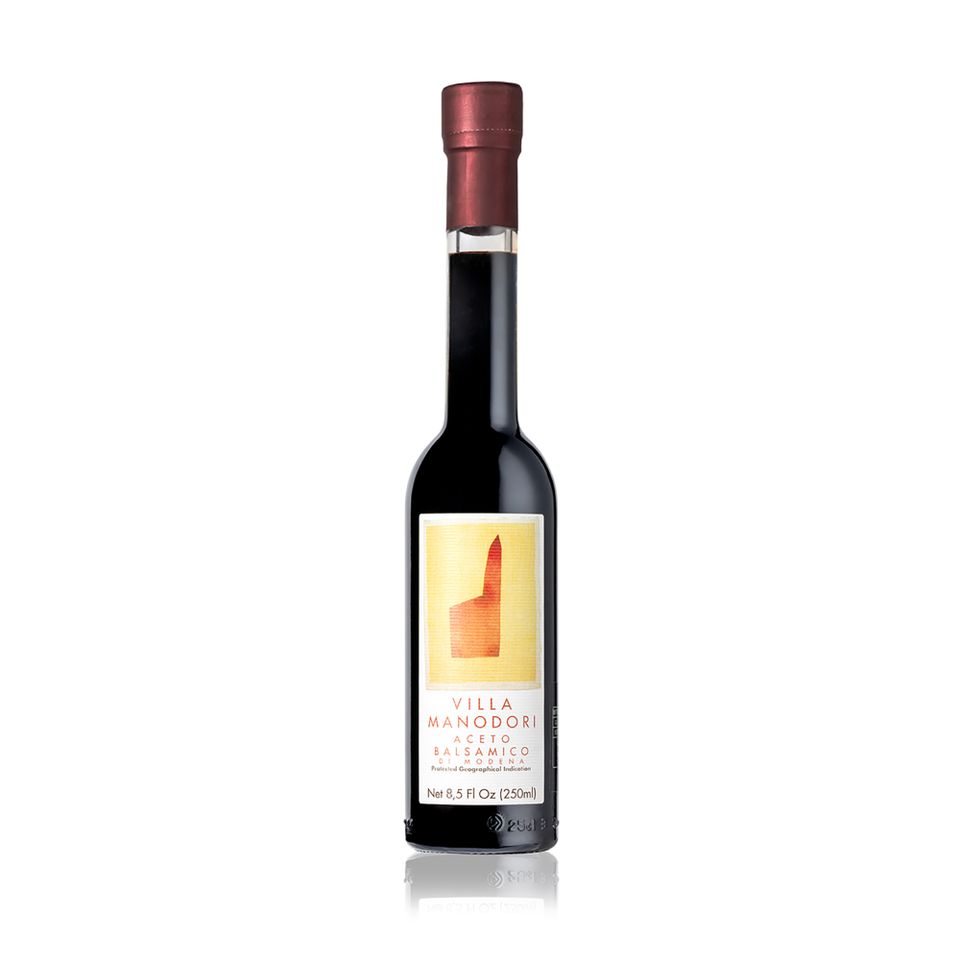
Villa Manodori “Artisanal” Balsamic Vinegar of Modena PGI
Courtesy of Brand
Made in Modena, Italy, using traditional methods, this vinegar is the brainchild of famed chef Massimo Bottura. Produced using trebbiano grapes and aged for nine years in barrels made of different kinds of wood, the resulting vinegar is concentrated and perfectly sweet-tart, with a lush, syrupy texture that makes it ideal for drizzling.
If you’re used to the faux balsamics sold in grocery stores throughout the United States, this vinegar will be a revelation.
Villa Manodori balsamic is wonderful on salads—especially ones that include bitter greens such as radicchio or endive—drizzled over roasted vegetables or used to top ice cream, fresh fruit or panna cotta.
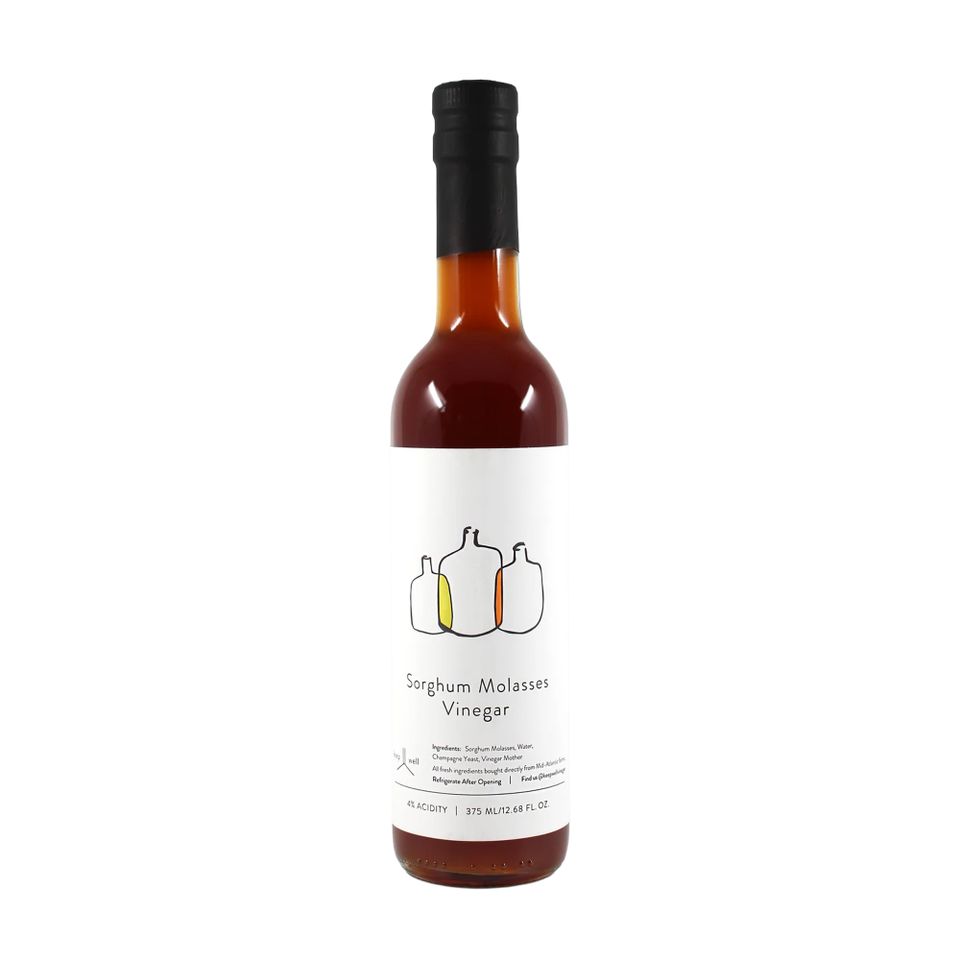
Keepwell Vinegar Sorghum Molasses Vinegar
Courtesy of Brand
At Keepwell Vinegar in Pennsylvania, Isaiah Billington and Sarah Conezio, who met as chefs at a restaurant in Baltimore, love to transform locally grown ingredients into wines and then do a secondary fermentation to turn the wines into vinegars. Most of their products end up in restaurant kitchens, but they’re also available online.
Keepwell’s sorghum molasses vinegar is a taste of American history. Sorghum, a grain that is native to northeastern Africa, came to the Americas via the slave trade and became an important crop in the American South.
The grain is a foodstuff and can also be used to feed cattle, and the pressed juice can be boiled into a syrup that’s reminiscent of sugarcane molasses. Billington ferments that syrup into alcohol and the alcohol into vinegar. It’s great as an ingredient in barbecue sauces or drizzled over greens.
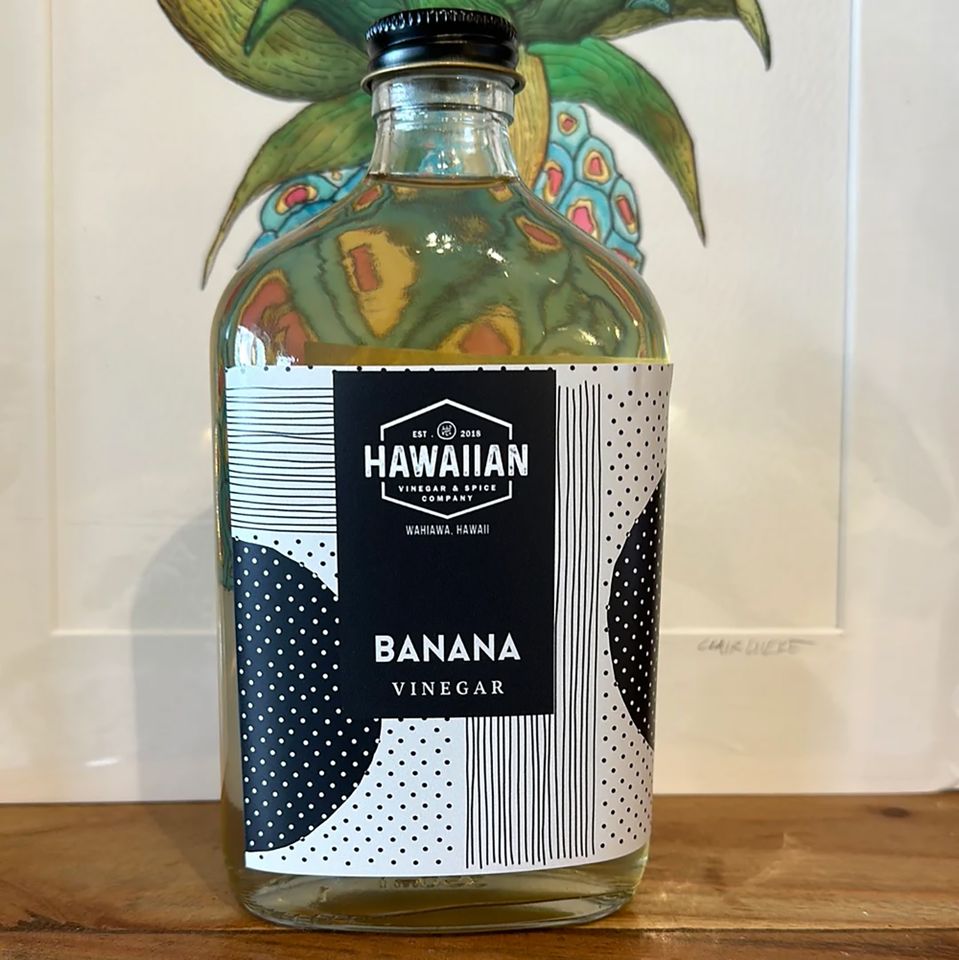
Hawaiian Vinegar Company Banana Vinegar
Courtesy of Brand
A single-origin product, this vinegar is made with fermented Nam Wah bananas—a petite variety with a sweet creamy flavor—from one Oahu farm and is aged for nine months. In addition to being an excellent addition to seafood dishes, the delicate banana flavor makes it a great cocktail or mocktail candidate.
In addition to the banana vinegar, Hawaiian Vinegar Company also makes vinegar with locally produced cacao and sells shrubs, which are vinegar-based drinks made for sipping or mixing.
How to Use It
Craft vinegar can be used any place that you’d typically use industrial vinegar, but because it is less harsh and more flavorful, there are also ways to use it that wouldn’t be appropriate for distilled vinegars.
One of the most obvious uses for these vinegars is to blend them into salad dressings. Try using a combination of olive oil, aromatic nut or seed oil and neutral oil, a vinegar that pairs well with your salad ingredients, plus a bit of mustard and some shallot, garlic or chives.
Making a soup or a stew? When you’re doing the final round of seasoning, just before you serve, splash in some vinegar and pinches of finishing salt until the dish tastes well-rounded and all of the flavors are harmonious.
After searing a steak or a chop, or sautéing some mushrooms or veggies, you can deglaze the pan with vinegar instead of alcohol. If you’re worried about making the dish too acidic, blend the vinegar with water, broth or cider.
Stir a bit of vinegar into mayonnaise before slathering it on sandwiches or using it as a dip for fried foods, or add it to ketchup for a more grown-up take on the tomato condiment.
Finally, don’t forget dessert! Used judiciously, vinegar can help balance out the sweetness in creamy, fruity and starchy desserts. Try a little on ice cream, pudding or custard, put a sprinkle on roasted fruit or fruit salad, or add a bit to baked goods.
The Bottom Line
Industrial vinegars are made with lower-quality alcohols and a hasty process that eliminates most of the flavor of the original ingredients. Craft vinegars are made with higher-quality alcohols and a slower process, which yields more flavorful results.
Because the ingredients for craft vinegars cost more than those for industrial vinegars, and the process takes longer, the end products are also more expensive. If you want to use better vinegar in recipes that call for larger quantities, such as pickles and relish, consider seeking out a simple artisan vinegar that can be used by the cup—such as the cider vinegar from Gingras. Pricier boutique vinegars are perfect to use by the tablespoonful for dressings and drizzling.
Craft vinegar will add additional complexity and nuance to any dish that is commonly made with industrial vinegar, but the uses are broader than that. These vinegars can also be used in nonalcoholic cocktails, as an ingredient in soups and stews, to make pan sauces and as a garnish for desserts.
We independently evaluate all recommended products and services. If you click on links we provide, we may receive compensation.

Comments are closed.