

Most games of Test cricket follow a quiet promise. Five full days unfold. Fifteen sessions have passed. Four hundred fifty overs roll by like smoke in sunlight. This sport asks for stillness. One contest becomes its own long story. But once in a while, everything gets torn up. Plans vanish without warning.
Some games wrap up fast, maybe just three days, when batters fall quickly on either side or captains choose bold moves early – if enough cricket happens to decide things. A finish that comes way too soon often means the ground played unfairly, favoring spinners wildly or seamers sharply, or hitters swinging without caution, plus one squad chasing victory at full speed.
One after another, these games turn into fast-paced clashes instead of long battles. Look closely, and you’ll spot the blueprint of the briefest finished Tests ever played – odd moments frozen in time plus a string of sudden finishes lately that wrap up within just forty-eight hours.
The Historical Timeline of the Two-Day Test cricket
Back when pitches stayed open to rain and mud, short Tests popped up all the time – especially between the 1880s and 1920s. The weather called the shots, games sped along, and results came fast. Then flat decks arrived, routines settled, and longer formats took hold. Now, sudden turnarounds brought them roaring back.
The Golden Age of “Sticky Wickets” (1882–1946)
Born in cricket’s early days, groundskeepers didn’t have gear to shield playing strips from weather swings. When rain fell fast and then vanished under scorching rays, trouble brewed – a patch of dirt turned treacherous. There, the ball twisted sideways wildly, leaping up without warning, jagged and sharp.
A small score changed history. At the Oval in 1882, Australia held firm against England, protecting only 85 runs. Victory came by seven, wrapped up fast – within forty-eight hours. A jest followed, printed soon after in The Sporting Times: a fake funeral notice. That satire lit the spark. From those words grew what fans now call “The Ashes.”
Back in 1888, during a brisk English summer, cricket saw something odd – three Tests between England and Australia, each wrapping up by day two. Lord’s hosted one, then came The Oval, followed by Manchester. Fast finishes weren’t common, yet here they happened thrice in a row. Matches folded quickly, almost like accidents.
Back then, South African grounds were rough – often just mats rolled out or dirt barely ready for play. Yet somehow, quick followed wins. In Gqeberha, once called Port Elizabeth, England sealed matches within forty-eight hours. The same happened along the Cape Town coastline. Both times, in 1889 and again in 1896, it ended fast.
The Modern Resurgence (2000–Present)
That loss to Australia in Wellington back in 1946? It marked the last time a Test crumbled in just two days – until silence settled for fifty-four long years. Pitch care improved, rolls grew weightier, rules tightened, slow death for quick matches. Gone, it appeared, for good.
Day three never arrived. As the clock ticked past 2000, eleven games collapsed before that point could even matter.
1. India vs. England – Ahmedabad (2021)
Played with a pink ball, it ended quicker than most have seen since the war years. Right from the first hour, the pitch at the brand-new Narendra Modi Stadium gave spin bowlers a clear advantage.
Out here came a quick slide, the pink ball zipping past the polished surface instead of spinning. Not the turning deliveries caused trouble, yet those running true caught hitters wrong-footed – trapped plumb or stumps rattled clean. Eleven times Axar found success across innings, each dismissal stacking up fast under flat light and steady pace. The contest ended well before its third day officially began, even though handshakes happened when Day 3 started on paper. Victory stood with India, sealed fully, ten down without reply.
Also read: Shubman Gill’s T20I exclusion explained: Why India wants him fresh for bigger challenges
2. South Africa vs. India – Cape Town (2024)
Ahmedabad felt like a lesson in spin mayhem. But then came the 2024 New Orleans Test – wait, no, Cape Town – where the ball ripped sideways from start to finish. Total overs? Just 107. That wiped out a nearly century-long mark for brevity in Tests. The whole thing folded faster than anyone expected, rewriting what seemed impossible.
With the pitch showing patches of lively green turf that made the ball leap unpredictably, South Africa flipped the coin their way then decided to set a total first – but folded completely at 55, bowled out fast by Mohammed Siraj’s relentless spells.
Chasing momentum, India pushed hard early, climbing to 153 for four without much trouble – until everything cracked open: six batsmen gone without adding a single run, all falling within just eleven deliveries. Still, they circled back sharply, later steering past the finish line towards victory, grabbing seven wickets in hand, sealing it well before lunch on day two.
The Twin Ashes Demolitions (Late 2025)
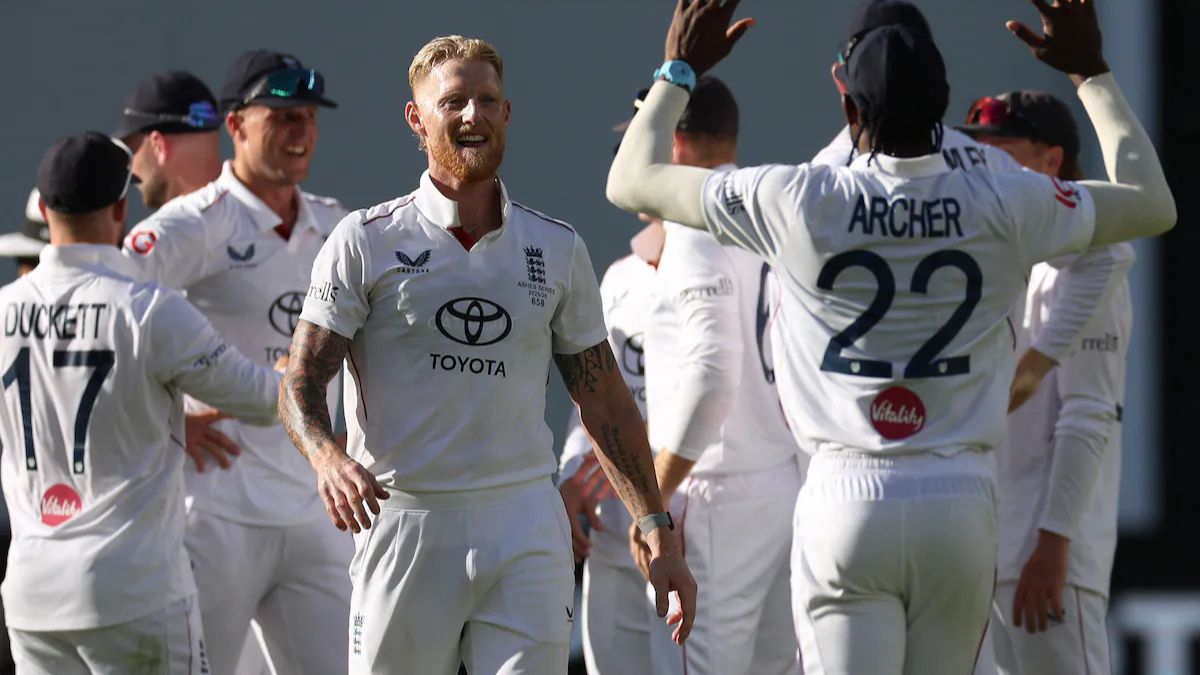
Ashes cricket in Australia during 2025–26 slipped into legend after delivering a pair of Tests each lasting just two days, one right after the other. Fans who live for traditional play stood speechless.
In Perth, come November 2025, the ground at Optus Stadium spat the ball up like it had a grudge – raw, jagged lift that felt straight out of the past. Fast bowlers wearing Australian colors hunted as a pack, tearing through England’s best batsmen both times they batted, all done before the third day, really got their boots on.
That December afternoon in Melbourne carried a shift nobody saw coming. The MCG pitch, once mocked for being too kind to batters, arrived stubbornly coated in thick, green thatch – ten millimeters of it, alive and twitching under sharp sun. England, long haunted by losses down under, finally snapped an 18-game drought without celebrating too loudly.
Their chase sat at 175, target fixed just before twilight bent into night. Chaos erupted late, edges flying, hearts pausing – but through noise and narrow misses, they slipped past by four wickets. Two days was all it took, the result settled fast beneath southern stars.
The Short-Match Triad
Out on the pitch, home teams tweak conditions when Test rankings are on the line. Because points matter, surfaces now lean hard into local advantages. In Asian countries, dust bowls bring trouble early. Elsewhere – like Australia or South Africa, the grass stays thick, helping pace attacks rip through batting orders. Each setup serves one goal: play to what the hosts do best.
With every fast-paced game adding pressure, blocking the ball slowly fades into silence. Instead of shutting down attacks with careful shots, batters now choose power – hitting through danger like it’s always the answer. When the pitch helps bowlers, that boldness backfires quickly. One risky swing leads to another wicket lost too soon.
Twilight games with the shiny pink ball tend to finish quicker. That’s because more paint and coating make it dart through the air longer, then shoot low when darkness falls. Unusual how a color change alters pace like that.
Empty pockets sting for those who paid for days three, four, or five. Still, you can’t ignore the raw pulse of a shortened Test match. With a pitch that lets the ball decide things on its own, each throw matters like it’s the only one. Turns out, cricket needs no extra time to deliver moments that stick.
Also read: The first post-Ashwin-Jadeja era Test brings Manav Suthar into focus
Comments are closed.