

Highlights
- Deepfake Audio and Video Detection is critical as AI-generated fraud, fake CEO calls, and manipulated media continue to increase worldwide
- Deepfake Audio and Video Detection tools analyze facial movements, voice patterns, and visual inconsistencies but rely on probability scores rather than absolute proof
- Deepfake Audio and Video Detection still requires human verification, as no tool can deliver 100% accuracy in real-world scenarios
Deepfake videos and fake voice recordings are not just online jokes anymore. They have become real problems. People, news organizations, businesses, and even courts face threats from them. For example, in 2019, a UK company lost almost $243,000 because someone copied their boss’s voice using AI. The executive believed it and sent the money.
In 2024, a company situated in Hong Kong fell victim to a fraudulent scheme when it unwittingly transferred millions of dollars to an incorrect account due to the use of a fabricated video featuring its Chief Executive Officer (CEO) demonstrating a false voice verification. This type of incident demonstrates how deepfakes can create potential risks far greater than what may be thought of as simple pranks.
Due to the potential impact of deepfake technology, many journalists, law enforcement agencies, and lawyers have access to and utilize tools and techniques designed to allow them the ability to identify deepfake audio and video files; however, the effectiveness of those types of tools and techniques currently remains unknown.
What Are Deepfakes?
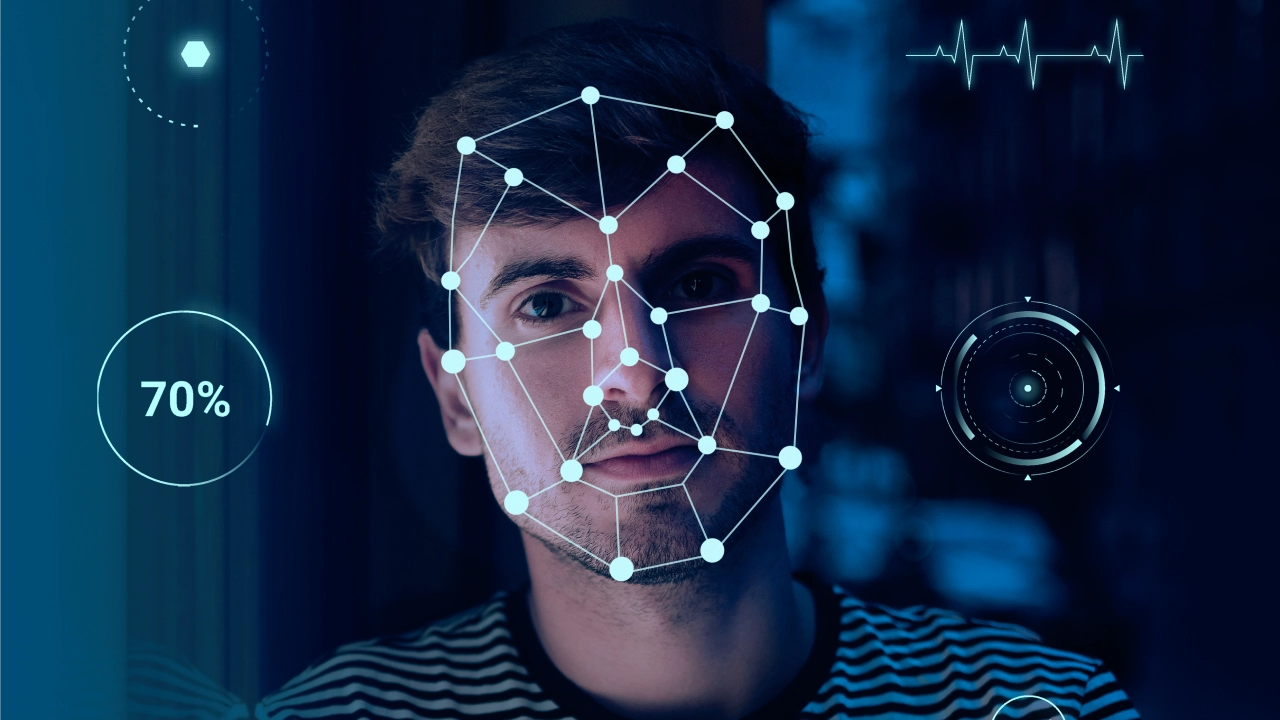
Deepfakes are audio or video creations produced by artificial intelligence (AI) that enable a person to re-create someone else’s face and voice. These generated audio and/or video recordings are created by an AI based on other people’s video, photographic, or audio recordings that have already been recorded.
A video deepfake is created by changing how a person moves, the expression on their face (video), and how they move their lips (video). An audio deepfake will modify the tones and pitches of a voice and how that voice is spoken (audio). Although it is possible to create difficult-to-identify deepfake content, the average viewer of a deepfake video may not realize that they are watching a deepfake video.
Why We Need Detection Tools
While Pseudonyms are often mistakenly associated with memes and celebrity satire, deepfakes can create all kinds of negative impacts, including those related to financial scams, fraudulent activities, false and misleading media reports, digital political statements, and identity theft. Videos can often come to a journalist via unverified sources. The chances of finding authenticity about any video that has been uploaded to social media are low. Journalists should ensure that any video they post reflects the actual events being reported before they publish it.
As law enforcement agencies and the judicial system rely heavily on audio and/or visual evidence as part of a trial, law enforcement officers and judges must carefully evaluate any audio or video recordings being used as part of an evidence list to ensure that they provide reliable information. Most people cannot identify Deepfake Videos from regular videos. This makes detection tools important.
How Detection Tools Work
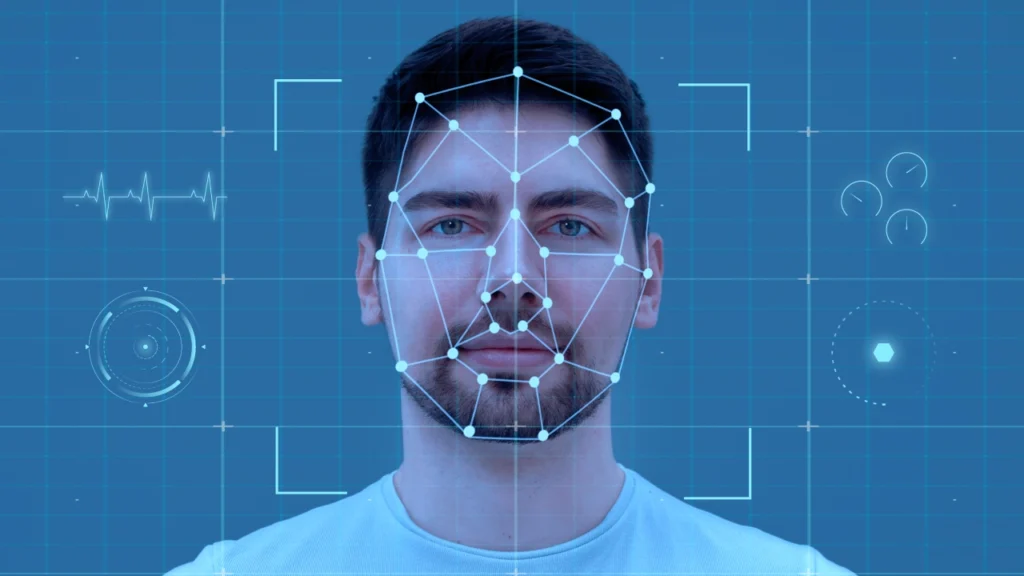
Detection tools look for tiny signs that humans cannot see. They check for small mistakes in video frames, voice, or images.
Some tools watch how faces move or how lips match words. Others check skin, lighting, or audio patterns like breathing or pauses. Many compare content with real samples.
Most tools do not give a simple yes or no. They show a confidence score—a number showing how likely it is to be fake.
Common Detection Tools
Some well-known tools are:
- Sensity AI: Finds fake videos, audio, and images. News companies use it to flag suspicious content.
- Intel FakeCatcher: Looks for real blood flow in faces to spot fakes. Can work in real time.
- Microsoft Video Authenticator: Checks video and photo data to estimate if it is AI-made.
- Reality Defender and Deepware Scanner: Detect multiple types of fake content. Used by companies, journalists, and some individuals.
Each tool works differently. None is perfect. Most give a score, not a simple answer.
How Accurate Are Tools?
In labs, tools can be very accurate. Some studies show over 95% correct results in controlled tests. But real-life videos are messy. Social media compresses or changes videos, making detection harder.
Audio is harder to check. Short clips or clear voice samples can trick even strong tools. False positives happen, too. Real videos sometimes get flagged as fake. For example, heavily edited influencer videos were wrongly flagged, confusing until humans checked. The main point: tools help, but cannot decide alone.
Human Check Is Important
Journalists use tools as part of checking videos. They also check where the video came from, look for other evidence, and compare it with verified material. Reverse image search, timing, and metadata also help. Tools save time and reduce guessing. But editors and investigators make the final call.
Police and Courts
Police and courts use detection tools carefully. The results are supportive evidence, not proof. Law requires methods to be clear and repeatable. Black-box tools are hard to use in court.
Investigators usually combine AI analysis with device checks, witness statements, and other evidence. Human review is always needed. Confidence scores from AI are just one piece of the puzzle.
Real Cases
Some incidents show why these tools matter:
- Hong Kong, 2024: A company employee sent millions after a fake video call with a CEO’s face and voice.
- UK, 2019: An executive sent $243,000 after hearing a deepfake of their boss’s voice.
- Scammers also use cloned voices to impersonate family members in phone fraud.
Reports show deepfake fraud attempts are rising. This makes detection and verification very important.
Global Laws
Countries are starting to regulate deepfakes:
- European Union: Platforms must disclose AI-generated media.
- United States: Some states have laws against using deepfakes for fraud or politics.
- India: Draft rules warn against AI misuse and impersonation fraud.
These laws show detection tools are part of a bigger system. They are not enough alone.
Future Ideas
Detection is not the only answer. New methods include:
- Digital watermarks: Content is marked as real when recorded.
- Platform authentication: Proves content comes from trusted sources.
- Biometric checks: Make sure a real person is in the video, not an AI face.
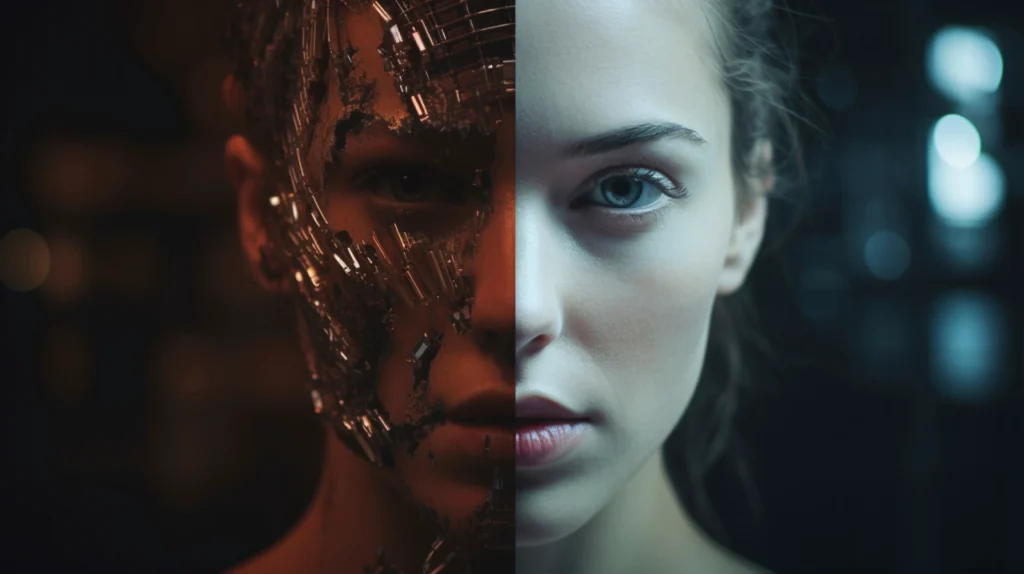
These aim to prove what is real, not just guess what is fake.
Limits of Detection Tools
Detection tools have limits:
- They depend on training data. New deepfakes may fool them.
- Short clips are hard to check.
- They cannot judge motive or context.
- Compressed or filtered videos can give wrong results.
- Experts say tools should not be used alone. They are indicators, not proof.
Bottom Line
There are many helpful deepfake detection tools, but no tool is foolproof. The journalists, law enforcement, and corporations use the tools to identify unqualified information. By helping users, these tools save time and reduce human error when making a determination about whether or not a resource is trustworthy. Unfortunately, since no tool has 100% accuracy, individuals must still carry out individual checks using common sense and verifying what they see online.
Many online items may not be real, and the deepfake detection tools allow us to identify a deepfake; however, to be able to use the tools effectively, individuals need to understand their limitations.

Comments are closed.