

Highlights
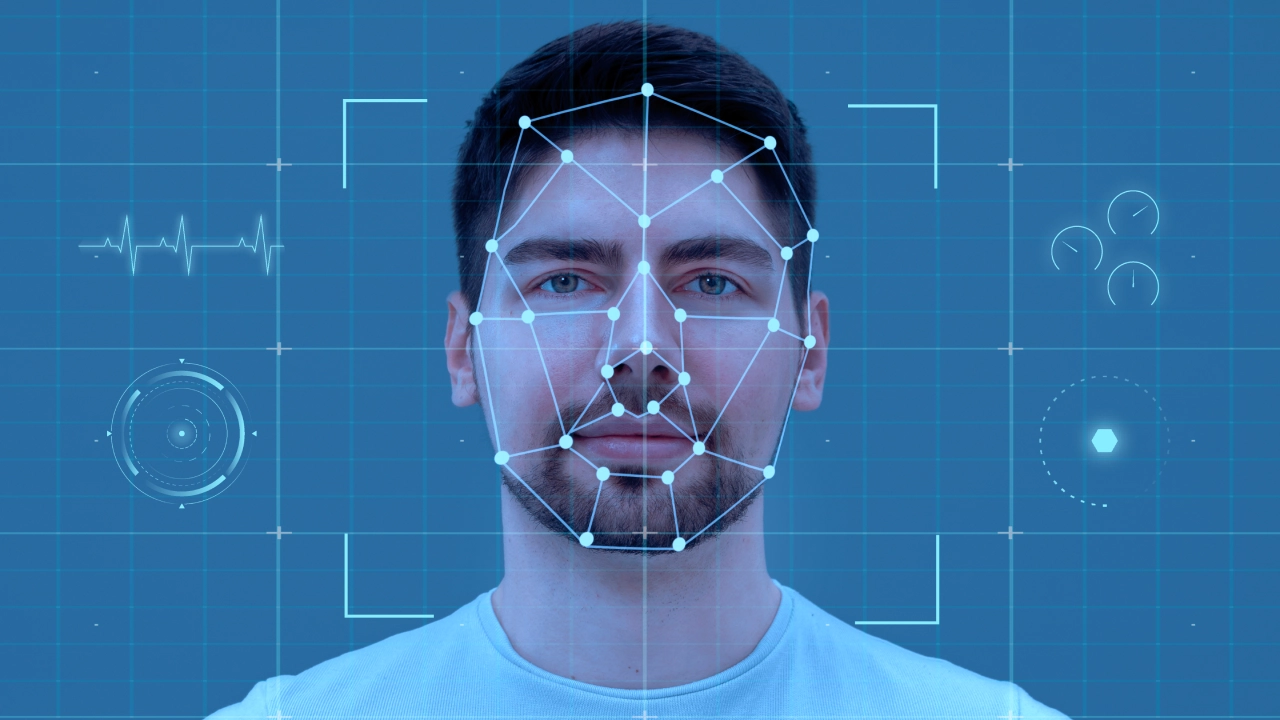
- Deepfake detection has become an essential part of AI security, as synthetic media spreads fast across newsrooms, legal teams, and public institutions.
- Leading deepfake detection tools like DeepMedia, Sentinel, Hive, Microsoft, Amber Video, and Truepic each offer strengths but still struggle with high-quality or low-resolution deepfakes.
- Detection systems help slow the spread of misinformation by identifying invisible digital artifacts in video, audio, and images.
- While no tool is perfect, deepfake detection systems slow the spread of misinformation by spotting digital clues humans can’t see.
This article examines how quickly deepfakes are spreading and why newsrooms, legal teams, and public offices now need robust tools to detect them. You will read about how video, voice, and image deepfakes are created, why ordinary people fall for them, and which detection tools actually work in real-world cases.
We also compare top platforms like DeepMedia, Microsoft Video Authenticator, Sentinel, and Hive so you can see what they do well and where they still struggle. The summaries of each tool are kept simple so readers can understand how these systems work in the real world.
Why Deepfake Detection Is Now a Global Need
Deepfake videos, AI-generated voices, synthetic images, and voice clips are no longer rare. Anyone with a basic laptop can create a fake speech by a political leader, a fake news clip, or a fake piece of evidence for a legal case. Newsrooms and law offices are seeing more manipulated media than ever before.
The problem is growing fast because deepfakes look more “real” now. This rapid growth aligns with industry reports from MIT, Gartner, and Europol, which highlight a sharp rise in AI-manipulated content used in scams, elections, and online misinformation campaigns.
Shadows, skin texture, lip movements, and background details are mixed so well that the human eye often fails to catch the mistake. This is why deepfake detection and content authenticity tools are now used across journalism, border checks, social platforms, and even courtrooms to maintain digital trust.
How Deepfake Detection Tools Work in Simple Words
Most tools check small signals that humans can’t see. These include:
- Light or shadow mistakes
- Wrong skin texture
- Lip movements that don’t match the audio
- Voice tone that breaks at certain points
- Missing camera noise in images
- File metadata that looks edited
A good deepfake is hard to spot. A good detection tool looks beyond the face and checks the whole digital trail.
Leading Deepfake Detection Tools
Below is a clear look at the tools that are becoming strong in the fight against synthetic media.
DeepMedia
Used by: Newsrooms, public safety teams, media companies
DeepMedia is known for spotting deepfake videos and voice clips with good accuracy. The tool checks face movement, voice patterns, and background signals. News teams use it mostly to verify viral videos before publishing.
DeepMedia also offers a feature that lets users upload short clips and receive a simple “real or fake” report. The tool works well for breaking news situations because it gives results fast. It is widely used for verifying viral social media content before publication.
The challenge is that it still struggles with high-quality political deepfakes generated by expensive models.
Sentinel (Reality Defender)
Used by: Enterprises, legal teams, journalists
Sentinel is designed for organizations that need quick screening of large amounts of video or image material. It scans frames and flags sections that appear edited. People like this tool because it shows which parts of the video look manipulated, rather than just giving a score.
This helps teams working on legal cases or news investigations.
Sentinel’s problem is that it sometimes gives too many alerts when the video quality is low, even if the video is real.

Hive AI
Used by: Social platforms, news moderation teams
Social media companies often use Hive to control harmful or fake content. Its deepfake model analyzes faces, voices, and background noise to determine whether a clip has been altered.
Hive is built for fast moderation; it is practical when companies need to process thousands of videos quickly. But it is built more for speed than deep forensic detail, so it may miss some advanced manipulations.
Microsoft Video Authenticator
Used by: Election teams, government communication units, media verification desks
Microsoft built this tool mainly to check manipulated political videos. It looks for small signals in each video frame and gives a score showing how likely the video has been edited.
This tool is trusted in sensitive cases, especially during elections. But it works only on specific video formats and can miss deepfakes created with new AI models.
Amber Video
Used by: Journalists, digital forensics teams
Amber Video not only spots fake content but also shows how the fake may have been created. It indicates skin patches, eye reflection, and shadow details that don’t fit natural lighting. This is helpful for reporters who are trying to explain to their audience what is wrong in simpler terms. The downside is that Amber is slower than some other tools and typically performs better on shorter clips.
Truepic Lens
Used by: Media houses, law teams, insurance companies
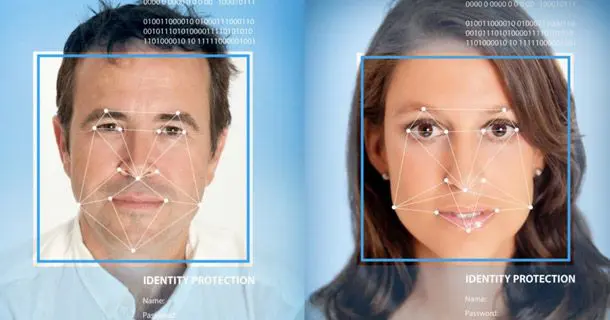
Truepic focuses more on image authentication. It checks whether a photo was taken on a real device or edited later. It also verifies location data, camera details, and file history.
Journalists use Truepic when images are sent from conflict zones or sensitive places. While it is strong for photos, it is not made for high-complexity video deepfake detection.
Where These Tools Still Struggle
Even great tools face challenges today:
- High-quality deepfakes, and especially those produced with new AI models, are difficult to detect.
- Voice deepfakes are also becoming too real as they replicate tone, speed, and emotion.
- Most tools work best with high-resolution videos, but viral clips online are usually low-quality.
- Detection tools can also present contradictory results.
- Deepfake producers can take that information and use the insights to keep improving.
This is why there is no single tool that wins every time.
What Makes a Tool Strong in Real Use?
When newsrooms and legal teams test these systems, they look for
- How fast does the tool give results
- How clear the explanation is
- Whether the tool can handle poor-quality social media clips
- How accurate are voice checks?
- How well the tool works on real-world footage, not just lab tests
A tool that only performs well in controlled tests does not help a journalist working on a breaking story.
Who is ahead in the marketplace?
There isn’t a clear winner, but if you think about real-world or marketplace adoption:
- DeepMedia and Sentinel are strong in newsrooms.
- Microsoft’s system is trusted for political content.
- Hive is used when platforms need fast screening at scale.
- Truepic leads in photo authentication.
They all sit in a strong space, but none of them get to the final solution to the deepfake problem as a complete or perfect solution. Each tool plays a role, but deepfake creators evolve faster than detection models. Deepfake producers are racing ahead, and oftentimes, detection tools are always behind. Nonetheless, these platforms offer a strong foundation and slow the spread of false media.
Conclusion
Deepfake detection is no longer a side topic. It is now part of news verification, elections, legal evidence review, and online safety. The tools we have today are helpful, but they are still growing. As deepfakes become more realistic, detection systems will need to be faster, simpler, and robust enough to handle the noisy clips people share online every day.

Comments are closed.