
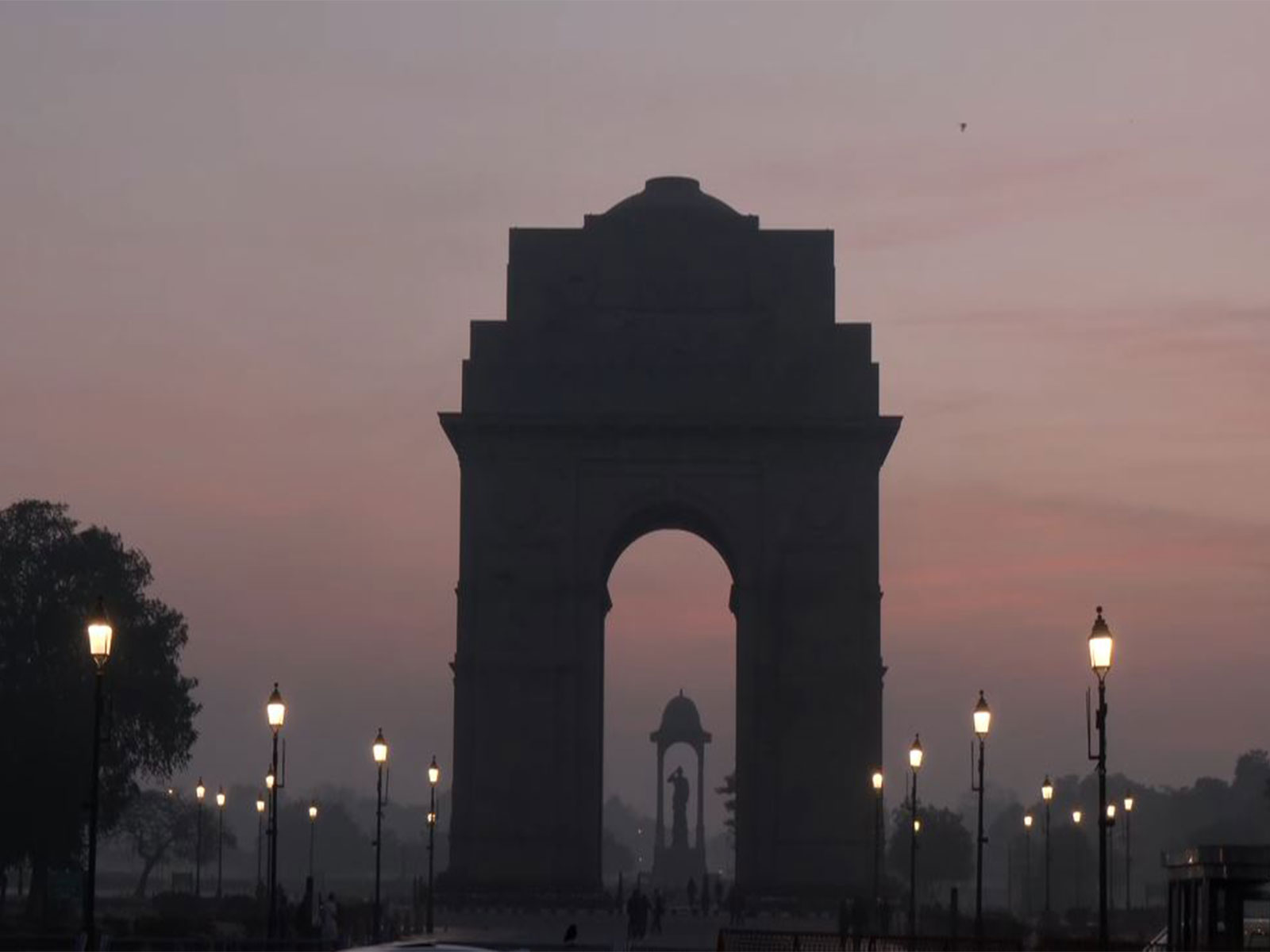
Delhi Air Quality Update: Delhi’s air becomes ‘poisonous’ again, AQI reaches ‘poor’ category; Mundka and Anand Vihar are the most polluted

New Delhi. The level of pollution in the country’s capital Delhi has started increasing once again. Delhi’s air quality was recorded in the ‘poor’ category on Sunday morning. According to Central Pollution Control Board (CPCB) data, Delhi’s average air quality index (AQI) was 221 at around 7 am on Sunday morning, which is more worrying than Saturday’s 197 (moderate category). Condition of areas: Difficult to breathe in Mundka and Anand Vihar. Pollution levels in many areas of Delhi have reached much above average. The worst situation has been seen in areas like Mundka and Anand Vihar.Mundka: 275 (Poor)Anand Vihar: 265 (Poor)Jawaharlal Nehru Stadium: 265 (Poor)Vivek Vihar: 252 (Poor)Rohini: 250 (Poor)Ashok Vihar: 243 (Poor)Chandni Chowk: 228 (Poor)However, ‘Air The Quality Early Warning System has predicted that the air quality may improve slightly as the day progresses and may again fall to the ‘moderate’ category (around 180 AQI). Mathematics of AQI: Know when air becomes dangerous According to CPCB, the air quality index is divided into six categories: 0-50 (Good): No effect on health. 51-100 (Satisfactory): Moderate to sensitive people. Problem. 101-200 (Moderate): Respiratory problem for asthma and heart patients. 201-300 (Poor): Most people have difficulty in breathing due to prolonged exposure. 301-400 (Very Poor): Even healthy people are at risk of respiratory disease. 401-500 (Severe): Very dangerous for everyone. Political tussle: AAP raised questions on the reliability of data. Along with the deteriorating air of Delhi, politics also intensified on this. It is done. Aam Aadmi Party (AAP) has raised questions on the credibility of Delhi’s pollution data. AAP’s Delhi state president Saurabh Bhardwaj has accused the BJP government (led by Rekha Gupta) of setting up new monitoring stations in green and open areas of the city. Saurabh Bhardwaj said: “The aim of the BJP government is not to clean Delhi’s air, but to artificially reduce AQI readings by shifting monitoring stations to green zones. This is an attempt to create a false impression of improvement instead of taking concrete steps against pollution.”

Comments are closed.