
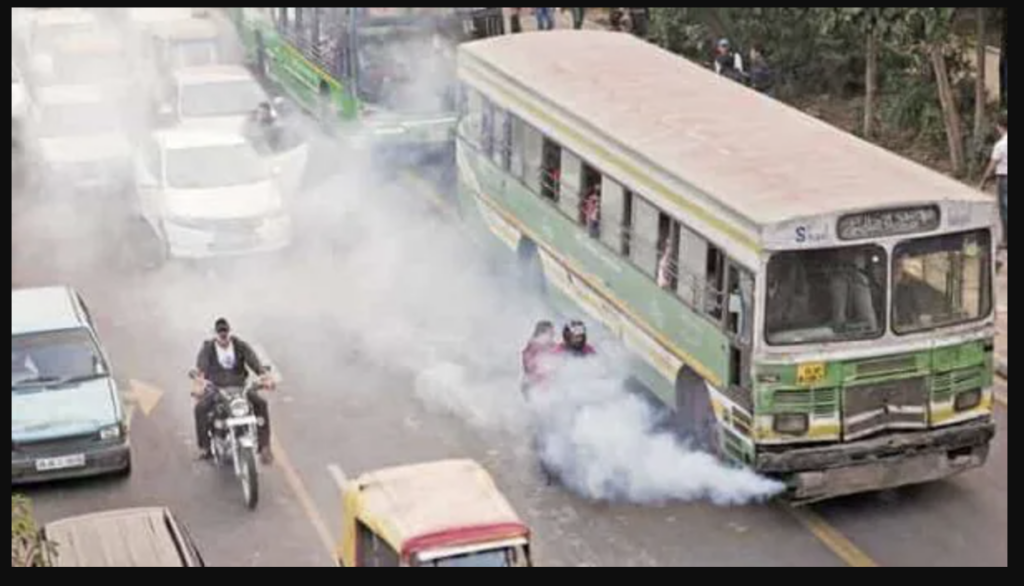

The Delhi government is gearing up to introduce its much-awaited Electric Vehicle (EV) Policy 2026-30, with officials aiming to secure Cabinet approval in the coming week and implement the new framework by July. The move comes as the existing Delhi EV Policy, which has already been extended multiple times, is set to expire on June 30.
The proposed policy is expected to significantly accelerate Delhi’s transition towards cleaner transportation while addressing the city’s persistent air pollution challenges.
Why Delhi Needs A New EV Policy
Delhi was among the first Indian states to aggressively promote electric mobility through incentives and subsidies. However, the original policy expired in 2023 and has since been extended repeatedly. With EV adoption growing and environmental concerns becoming more pressing, the government believes a stronger and more comprehensive framework is needed.
The draft EV Policy 2026-30 aims to improve air quality, increase EV adoption, expand charging infrastructure, and create a sustainable ecosystem for electric mobility across the capital.
Petrol Two-Wheelers Could Be Banned From 2028
One of the most significant proposals in the draft policy is the planned ban on the registration of new petrol-powered two-wheelers from April 2028. If implemented, residents purchasing new scooters and motorcycles after the deadline would have to opt for electric alternatives.
However, the proposal has sparked debate among industry stakeholders. Following feedback from manufacturers and citizens, officials have indicated that the implementation timeline could be pushed to late 2028 or even 2029. More than 750 suggestions have reportedly been received during the public consultation process.
CNG Three-Wheelers Also Targeted
The draft policy proposes ending the registration of new CNG-powered three-wheelers from January 2027. This would effectively require all newly registered auto-rickshaws in Delhi to be electric, marking a major shift in the city’s public transport ecosystem.
Officials believe this move will help reduce vehicular emissions while encouraging the growth of electric mobility infrastructure.
Hybrid Vehicles May Receive Tax Benefits
A key point of discussion within the government is whether hybrid vehicles should receive incentives alongside fully electric vehicles. The draft policy includes a proposal for a 50% road tax waiver on hybrid cars priced up to ₹30 lakh. However, the issue remains under discussion due to differing views within the administration.
Supporters argue that incentives for hybrids could accelerate the transition away from conventional petrol and diesel vehicles.
More Incentives For EV Buyers
The policy is expected to continue offering incentives designed to make EV ownership more attractive. Earlier draft proposals included road tax exemptions, scrappage benefits for old vehicles, subsidies for EV purchases, and investments in charging and battery-swapping infrastructure.
The government is also focusing on expanding charging facilities across residential and commercial areas to address one of the biggest barriers to EV adoption.
Challenges Remain Despite Ambitious Goals
While Delhi continues to push for an electric future, adoption challenges remain. Many consumers still prefer petrol-powered vehicles due to concerns about charging availability, range limitations, and higher upfront costs. Experts believe that expanding charging infrastructure and improving affordability will be critical to the policy’s success.
As the Cabinet prepares to review the proposal, Delhi’s new EV Policy could become one of the most ambitious clean mobility initiatives in India, potentially reshaping how millions of residents travel over the coming decade.
Comments are closed.