
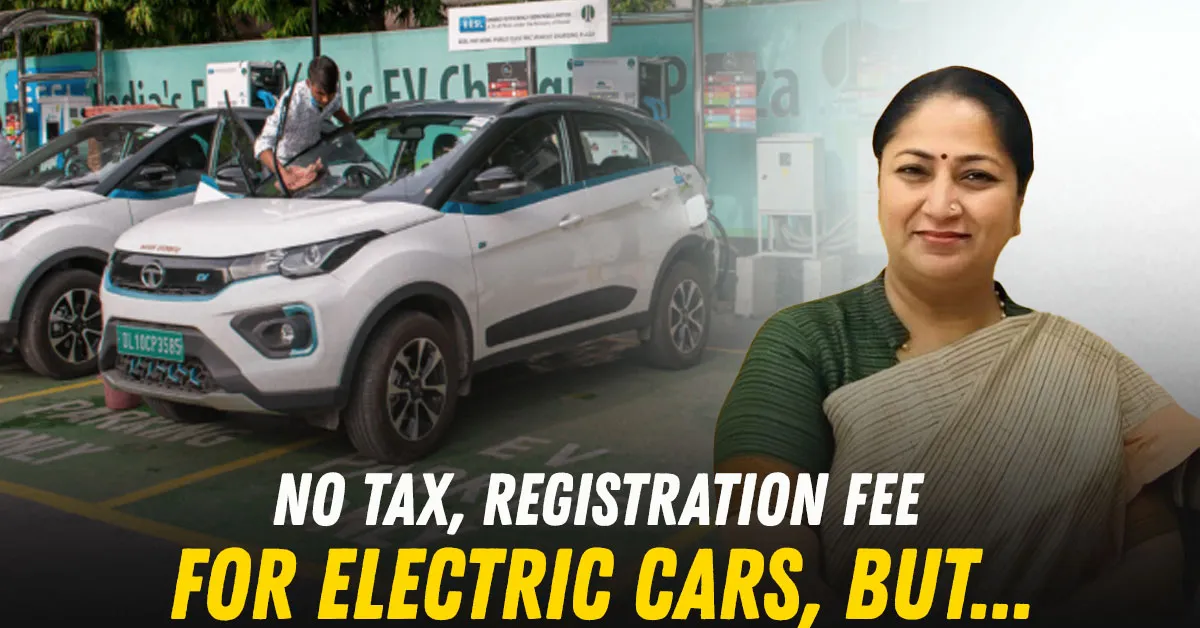

The Delhi government has rolled out its latest EV policy, on June 29, 2026, with an outlay of Rs 15000 crores. Under it, electric cars are totally exempted from having to pay road tax or registration fees. There is, however, a catch- the waiver is only applicable to affordable EVs. If the vehicle’s ex-showroom price is above Rs 30 lakh, the owner will still have to pay road tax. This makes the incentives highly targeted. The policy will remain in effect until March 31, 2030.
This has by far been one of the most aggressive electrification roadmaps in India. It tries its best to make electric cars look more financially attractive than petrol or diesel cars. The Rs 30-lakh price cap for benefits ensures that most of the mass-market electric cars qualify for the waiver. Not having to pay road tax and registration costs can bring about a significant drop in the upfront costs of most electric cars.
The price cap shields these waivers from leaking into the more premium sector of EVs, most buyers of which are more generous when it comes to spending. This approach has made sure that the benefits of the policy reach the people who genuinely want the upfront costs to come down before they buy an electric car. Clearly, it is paving way for more adoptions.

In addition to tax and registration charge waivers, the policy also offers direct purchase incentives across key vehicle categories. These subsidies are transferred directly to buyers through a transparent Direct Benefit Transfer program.
Electric two-wheelers can receive up to Rs 30,000, while electric three-wheelers are eligible for incentives up to Rs 50,000. For N1 category electric trucks (in other words, electric light commercial vehicles (LCVs)), which fall under 3.5 tonnes, the subsidy goes up to Rs 1 lakh.
Let’s now take a closer look at the subsidies. Two-wheelers will qualify for purchase incentive in the first three years. Buyers will get subsidies of Rs 30,000, 20,000 and 10,000 in the first, second and third years respectively. Electric three-wheeler buyers will get Rs 50,000, Rs 40,000 and Rs 30,000 over the same time span. For N1 category EV buyers, the subsidy will stay steady at Rs 1 lakh.
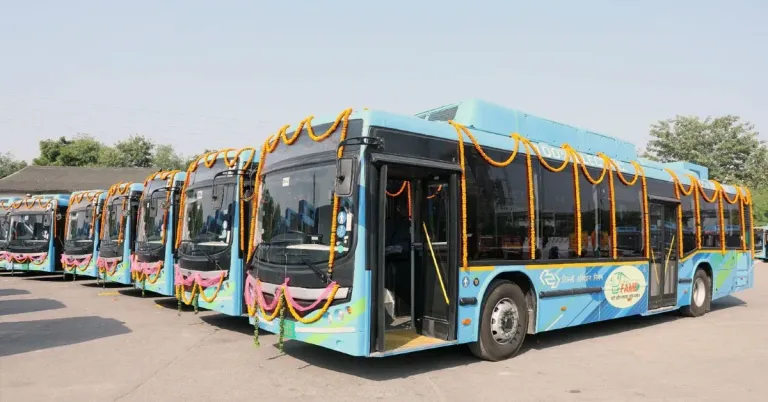
The policy also targets fleet electrification. It mentions that all newly hired or leased government buses in Delhi will be electric. DTC’s intra-city buses will also go electric soon. Even schools should gradually shift to electric buses. The policy even gives a clear timeline for this. 10% of the fleet is expected to be electric by year 2, 20% by year 3 and 30% by March 2030.
Additionally, the first 1000 buyers of heavy-duty N2 electric trucks will be exempted from Delhi’s ‘No Entry’ restrictions for 10 years- a major benefit for operators.
All these will accelerate adoption significantly in the respective segments. Interestingly, these segments contribute heavily to daily emissions in Delhi. The shift to EVs in these can potentially have a direct impact on the city’s air quality.
Unlike what the April draft policy had hinted, no waivers have been announced for hybrid vehicles. The draft had suggested a 50% exemption from both road tax and registration fees for hybrids priced up to Rs 30 lakh. This hasn’t made it to the final version of the policy.
The policy has also given strict deadlines for phasing out internal combustion engine vehicles. Registrations of petrol, diesel and CNG vehicles, belonging to various categories will stop in a phased manner. From January 1, 2027, petrol, diesel and CNG powered L5 category auto-rickshaws and N1 category commercial carriers (LCVs).
From April 1, 2028, Delhi will stop registering new internal combustion two-wheelers! Only electric two-wheelers will then be allowed to get registered in the city. This is a move many internal combustion two-wheeler makers are worried about.
The government has also announced exciting scrappage incentives for old vehicles. BS-IV and older internal combustion four-wheelers can receive up to Rs 1 lakh in scrapping bonus, when the owners switch to EVs. Two-wheeler owners can get up to Rs 10,000. Three-wheeler owners can avail up to Rs 25,000. For LCVs, the scrappage incentive will be Rs 50,000.
A transition of this scale requires strong infrastructure support. The government targets the installation of more than 30,000 charging points across Delhi during the policy period. This will in the long run, boost EV adoption.
Comments are closed.