
Delhi High Court rules in favour of Maruti Suzuki in ‘TRANSFORMOTION’ trademark battle against Volkswagen

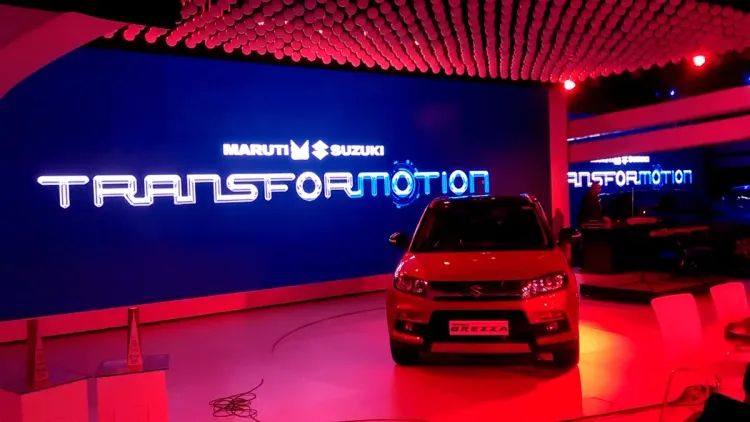
The Delhi High Court has ruled in favour of Maruti Suzuki in a trademark dispute with German automaker Volkswagen. The legal battle centered around the trademark application for the term “TRANSFORMOTION” filed by the Indo-Japanese carmaker. Volkswagen had challenged this application, arguing that the word was deceptively similar to its own globally recognized “4MOTION” trademark. The court dismissed the appeal from Volkswagen, firmly upholding an earlier decision by the Registrar of Trade Marks to allow Maruti Suzuki to use the branding.
The dispute highlights the intense focus automakers place on protecting their intellectual property and specific brand terminology. Volkswagen originally filed a notice opposing the registration of the “TRANSFORMOTION” name after it was accepted and published for public notice.
When the Registrar rejected this initial opposition, the German manufacturer escalated the matter by approaching the High Court. Volkswagen maintained that the visual and phonetic similarities between the two words could mislead buyers. However, the court ultimately found no merit in the claim that the two terms would cause any confusion in the market.
Understanding the two technologies
The technologies represented by the two trademarks serve entirely different purposes in the automotive space. Volkswagen uses the “4MOTION” badge globally and locally to identify its proprietary four-wheel drive systems.
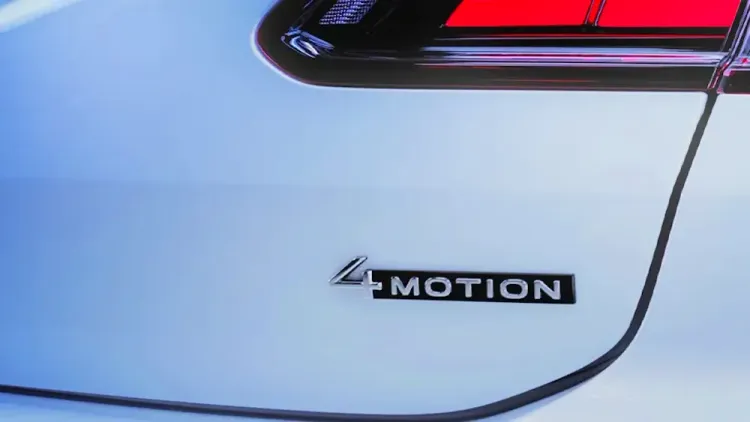
This advanced mechanical and electronic drivetrain technology is typically found on the premium SUVs sold by the brand, such as the Tiguan. It is designed to send power to all four wheels to improve traction on slippery surfaces.
On the other hand, Maruti Suzuki uses the term “TRANSFORMOTION” to describe a specific interior cabin feature. The terminology was coined to denote the transition of instrument clusters and speedometers from traditional analogue dials to modern digital display systems inside its vehicles. The court accepted the argument from Maruti Suzuki that “TRANSFORMOTION” is simply a creative play on the common dictionary word “transformation,” reflecting the digital upgrade in their dashboard layouts.
Court cites buyer awareness and timelines
In its detailed ruling, the court emphasized the nature of the passenger vehicle market. The judges noted that cars are high value products purchased by consumers only after significant research, financial planning, and due deliberation. Because of this careful and highly involved buying process, there is no plausible chance that a consumer would accidentally buy a Maruti Suzuki vehicle under the mistaken belief that it features Volkswagen engineering or belongs to the German brand.
The judges also stated that the word “motion” is highly common and widely used within the automotive industry. Therefore, the court concluded that from a visual overlook, there is no realistic chance of confusion between the two rival marks because they look and sound distinctly different from one another in their complete forms. Both automobile manufacturers were recognized by the court as having independent, massive, and substantial goodwill among buyers.
The first to use advantage
A crucial factor that influenced the final ruling was the timeline of when these specific terms were introduced to the domestic market. Maruti Suzuki successfully presented records demonstrating that it began using the “TRANSFORMOTION” mark in 2016 for its digital speedometer marketing. In contrast, Volkswagen only started officially using the “4MOTION” branding in the country a year later, in 2017.
The court highlighted this timeline, pointing out that consumers were not even familiar with the Volkswagen mark at the time Maruti Suzuki initiated its usage. This chronological advantage, combined with the lack of conceptual overlap between a digital screen and a mechanical four-wheel drive system, resulted in the dismissal of the petition filed by Volkswagen.

Comments are closed.