

31
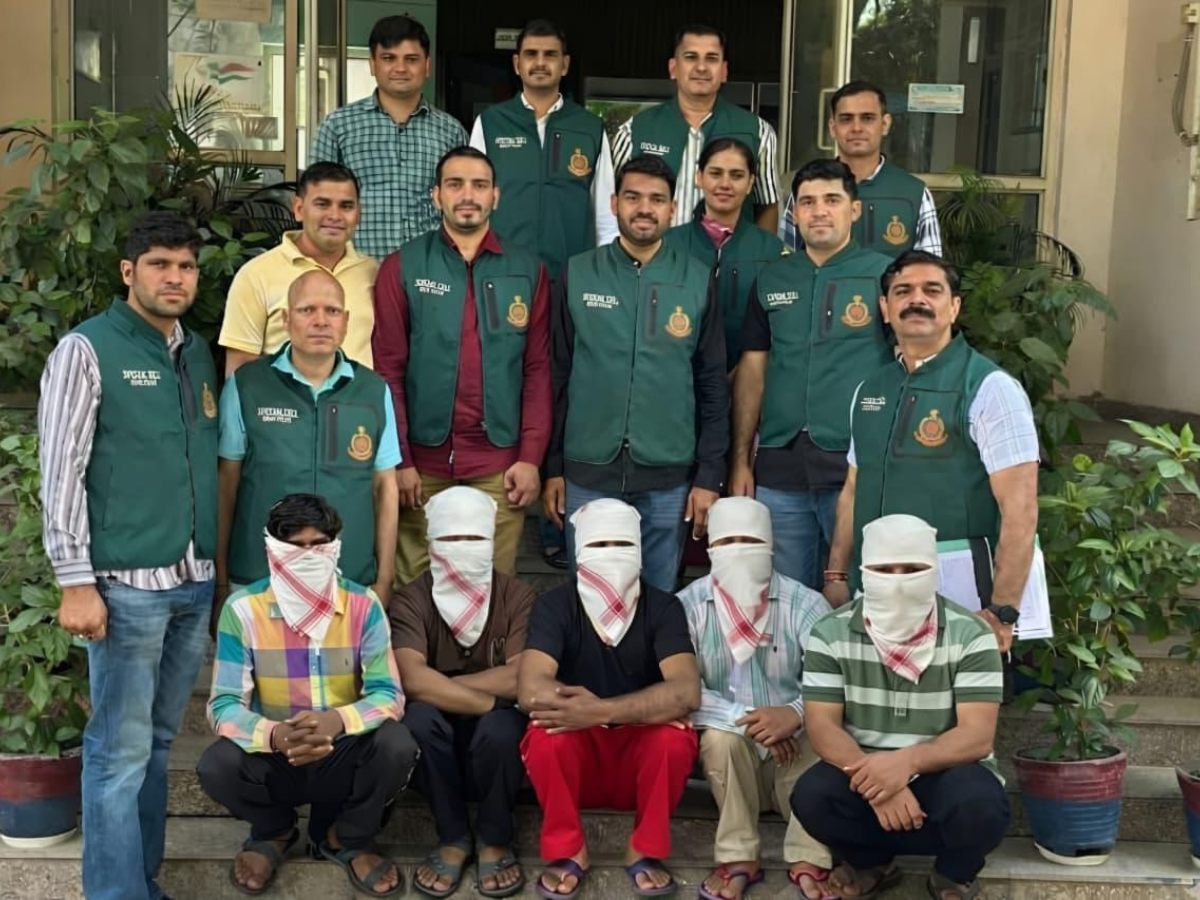
NEW DELHI: In a major counterintelligence operation, the Delhi Police Special Cell busted an espionage network allegedly backed by Pakistan’s Inter-Services Intelligence (ISI) and arrested 11 individuals linked to the banned outfit Babbar Khalsa International (BKI).
According to police officials, the accused had been installing CCTV cameras at various locations to keep watch on sensitive sites, including establishments associated with the Army.
Investigators found that cameras had been set up at nine locations across the country.
In the first phase of the operation, six accused were apprehended—three from Punjab and three from Delhi. The police recovered nine solar-powered CCTV cameras that had been installed near high-security and defence-related sites at multiple locations. The live footage from these cameras was being transmitted to handlers based in Pakistan through mobile applications, said Additional Commissioner of Police Pramod Singh Kushwah.
The police also seized three PX5 pistols, one country-made firearm, and 24 live cartridges. Investigations further revealed that the accused were financing their activities through UPI transactions, with funds partly originating from proceeds of illegal arms smuggling.
In a separate but related operation, acting on inputs from Military Intelligence, five more accused were arrested in Punjab for their involvement in espionage activities.
These individuals were engaged in conducting reconnaissance of sensitive Army and paramilitary installations and were sharing photographs and videos with handlers in Pakistan. They also played a role in installing surveillance infrastructure and facilitating cross-border networks, the officer added.
Police stated that the module was part of a broader nexus involving Pakistan-based handlers, gangsters, and terror operatives.
Indian recruits were reportedly lured with money generated through illegal arms and drug trafficking. They were assigned tasks such as installing surveillance equipment, capturing images and videos of strategic locations, and providing logistical support for potential attacks, Kushwah said.
The investigation also revealed that SIM cards obtained using fake identities were being used to operate the CCTV systems and transmit data. Digital evidence, including images, videos, and location details, has been recovered from mobile devices seized during the raids.
The probe further uncovered an organised arms trafficking network, wherein foreign-made pistols were smuggled into India and distributed among operatives on the directions of handlers across the border. The funds generated from these illegal activities were channelled back into sustaining the module’s operations.
Officials added that the crackdown also brought to light plans to target security establishments through grenade attacks and other terror activities. Swift and timely action by the Special Cell is believed to have prevented a possible attack.

Comments are closed.