
Matter stuck on electric buses in Delhi, delay in government’s big scheme, know what will be the impact on middle class

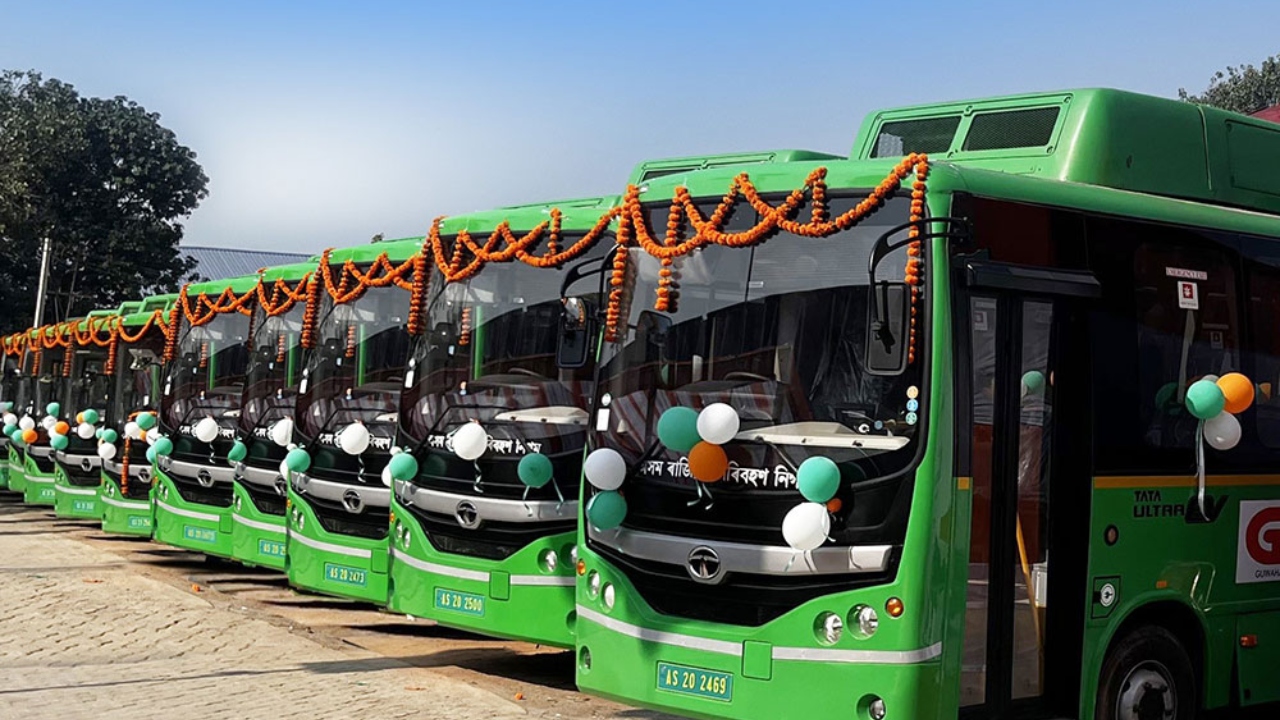
Delhi Electric Bus Plan: To reduce pollution in big cities of the country and to modernize public transport, the Central Government has made a plan to purchase electric buses under the PM E-DRIVE scheme. However, the tender issued for the second phase of this scheme has been postponed for a month. In fact, potential companies have sought clarification regarding the subsidies available in Delhi. For this reason, the last date for bid submission has been extended from March 10 to April 9. Under this tender, a total of 6,230 electric buses are to be purchased, which will be operated in five big cities like Ahmedabad, Mumbai, Pune, Hyderabad and Delhi.
What is PM E-DRIVE scheme?
The objective of this big government scheme is to provide clean and cheap public transport in big cities.
- Under the PM E-DRIVE scheme, a total of 14,028 electric buses are to be operated in seven big cities across the country. The government has given a budget of about ₹4,391 crore for this.
- These buses are being purchased in two phases. In the first phase, tender for 10,900 buses has been completed, while in the second phase, the process for 6,230 buses is going on.
Why is the matter stuck regarding Delhi?
In the latest tender, 3,330 electric buses have been demanded for Delhi. However, it is not clear to the companies whether these buses will be purchased under PM E-DRIVE subsidy or through any other payment system. Some reports say that if subsidy is not available under the scheme, then Delhi government can bear its expense. However, this has not been officially confirmed yet. Because of this uncertainty, companies want clear answers before bidding.
Important changes made in the new tender
Some important changes have also been made in the tender issued this time.
- First, bids are now being invited for 7 meter long electric buses. With this, buses will be able to run easily on narrow and congested roads.
- Second, the Earnest Money Deposit (EMD) for each bus has been reduced from about ₹3 lakh to about ₹1.6 lakh, which will enable more companies to participate.
There was a legal challenge in the first phase also
Last year, there were many difficulties in the tender for 10,900 electric buses. Ashok Leyland again went to court alleging technical problems. However, the case was later withdrawn and the tender process was completed. Companies like PMI Electro, EKA Mobility and Olectra emerged as successful bidders.
Also read: Going to buy your first car? Don’t panic! If these 5 mistakes are made then it can have a huge impact on the pockets of the middle class.
Big step towards reducing pollution
The government aims to reduce cities’ dependence on diesel and reduce carbon emissions through electric buses. Under this scheme, bus operators are responsible for purchasing, operating and installing the charging infrastructure, while the transport agency pays a fixed rate. If this scheme is fully implemented, both public transport and the environment in big cities can benefit significantly in the coming years.

Comments are closed.