
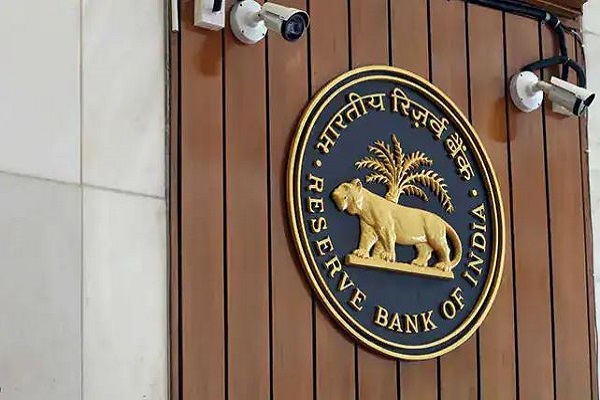
Despite slowdown in foreign investment, India’s foreign exchange reserves are adequate and rupee stable: Reserve Bank

New Delhi, 23 December. The Reserve Bank of India (RBI) has clarified that India’s foreign exchange reserves remain adequate, capable of meeting more than 11 months of imports. In this sequence, the Indian Rupee remained almost stable in real terms in November. Although the rupee declined marginally during this period, the impact was largely offset by prices in India remaining higher than those in its major trading partners. This information has been given in the December Bulletin of RBI.
Rupee fluctuations less than last month
The Indian rupee weakened slightly against the US dollar in November due to the strengthening of the US dollar, less investment by foreign investors and uncertainty over the India-US trade agreement. According to the bulletin, fluctuations in the rupee in November were less than in the previous month and it remained more stable than many other currencies. By 19th December, the rupee had depreciated by about 0.8% from the level at the end of November.
Investment flow positive in last two months
FY 2025-26 till December 18 has seen net outflows from India by foreign portfolio investors (FPIs), especially from the stock market. After being positive in the last two months, the investment flow again turned negative in December.
RBI said investors are adopting a cautious approach due to uncertainty over the India-US trade agreement and high valuations in the domestic stock market, which has led to a decline in foreign investment in recent months.
Decline in ECB registrations
There has been a decline in registrations of loans taken from foreign sources, i.e. External Commercial Borrowings (ECBs), between April and October 2025, indicating that the pace of capital raising from abroad remained slow. However, a large part of the loan taken was used for development projects and capital expenditure in the country.
India’s current account deficit lower than the same period last year
Moreover, according to RBI, India’s current account deficit in the second quarter of the current financial year 2025-26 remained lower compared to the same period last year. The main reasons for this were the reduction in merchandise trade deficit, strength in services exports and remittances sent by Indians working abroad.
foreign exchange reserves 11 from month able to meet the import of more
The Reserve Bank said that, however, foreign investment coming into the country remained less than the current account requirements, due to which there was some decline in foreign exchange reserves. Despite this, India’s foreign exchange reserves remain adequate, capable of meeting imports for more than 11 months. Along with this, it covers more than 92% of the total foreign debt of the country, which is considered to be a strong position in terms of economic stability.

Comments are closed.