
Dhurandhar fashion breakdown: Why power-packed looks of Ranveer, Arjun and Akshaye took Internet by storm

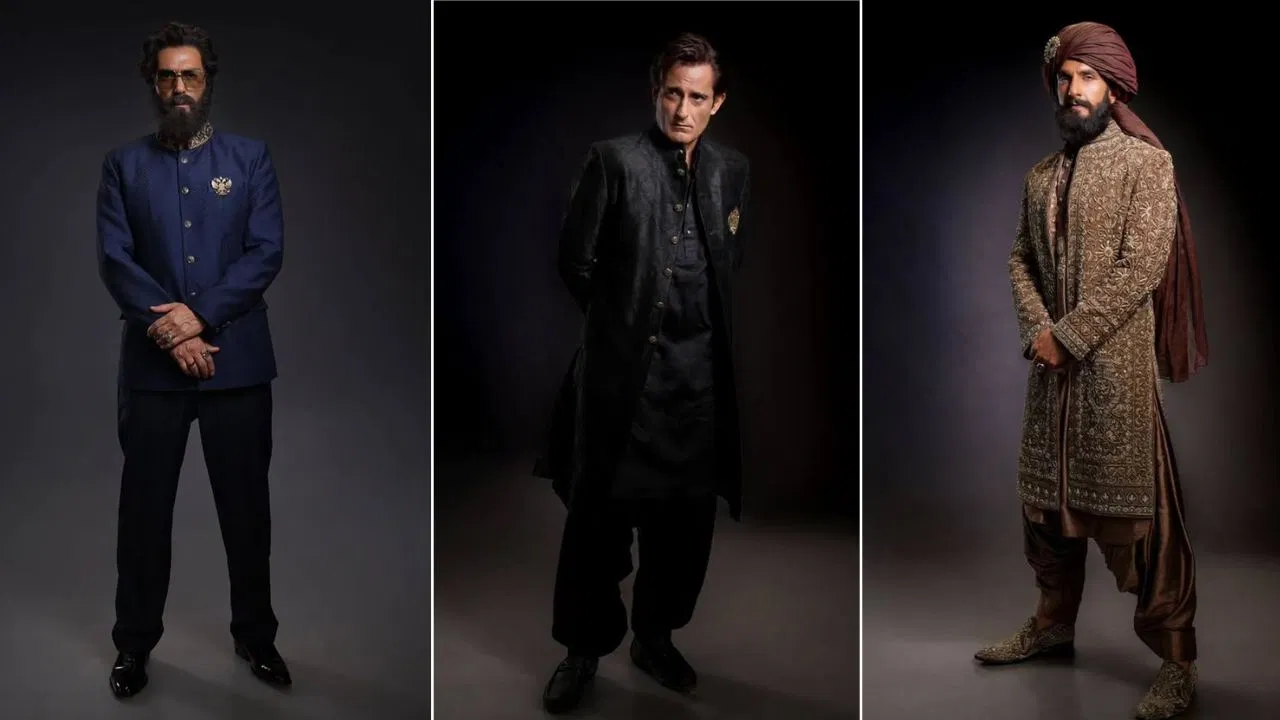
New Delhi: Recently released Bollywood movie Dhurandhar builds its world through clothing with a clarity that goes beyond surface style, using fabric, colour and silhouette to express what characters hold inside them. In this film, wardrobe choices are crafted to reflect temperament, command and history. Working in collaboration with costume designer Smriti Chauhan, Divani shaped a visual approach that gives each leading man a distinct presence the moment he enters the frame.
The designs created for Arjun Rampal, Akshaye Khanna and Ranveer Singh rely on specific choices, muted palettes, textured fabrics, symbolic motifs and heritage references to establish who they are without a single line of dialogue. Each look is intentional, shaped to match the psychology of the character and the film’s power-driven landscape. This breakdown revisits the inspirations behind these three costumes and how they contribute to Dhurandhar’s storytelling. Here is the detail.
How Dhurandhar shaped its three signature menswear looks

1. Arjun Rampal as Major Iqbal
Major Iqbal’s look is defined by control and ease, designed to hold attention without volume or ornamentation. Divani kept his palette muted and his silhouette sharp to reflect the discipline that defines him. Embroidery stays restricted to the collar, reinforcing the idea that his authority does not rely on embellishment. The clean lines and minimal detailing create a steady visual presence that reflects a character who anchors the frame through composure.
2. Akshaye Khanna as Rehman Dakait

Rehman Dakait’s attire focuses on quiet intensity and grounded strength. Divani designed his look with deeper tones and textured fabrics that reflect the grit of his world. Embellishment appears only in a single tiger crest, a deliberate symbol of danger in an otherwise restrained palette. The simplicity allows Akshaye’s stillness to guide the mood while the weight of the textures roots the character in his environment.
3. Ranveer Singh as Hamza Ali Mazari
Hamza’s look draws from heritage dressing, taking cues from 19th-century royal robes. Divani and Smriti Chauhan reinterpret the traditional khilat once presented to the Patiala royal family, shaping a garment that feels inherited rather than newly created. The design blends ornate elements with narrative intent, giving Hamza a visual identity built on lineage and authority. On Ranveer, the outfit carries theatrical ease without overwhelming the frame.
Dhurandhar’s costume design shows how menswear can define character through intention and restraint. Each look, such as Major Iqbal’s discipline, Rehman’s grit and Hamza’s heritage, adds depth to the film’s larger narrative.

Comments are closed.