

- Eggs, rice, potatoes and dairy can fit into a balanced diet despite common myths.
- Focus on food preparation, pairings and context, rather than single nutrients, for better health.
- Letting go of strict rules supports flexible, sustainable eating and a healthy relationship with food.
For many people, “eating healthier” starts with cutting foods out. When weight loss or heart health is the goal, that can quickly turn into a long—and often overwhelming—list of foods to avoid, including ones that feel comforting, familiar or culturally important.
But as nutrition science evolves, some long-standing food fears haven’t kept up with the evidence. To better understand which foods are most often limited unnecessarily, we spoke with registered dietitians about the foods they wish people would stop avoiding—and why they may deserve a place back on your plate.
1. Eggs
Eggs have spent decades on and off nutrition’s “avoid” list, largely due to concerns about dietary cholesterol and heart disease. For years, cholesterol-rich foods were thought to directly raise blood cholesterol levels, increasing cardiovascular risk. However, research over the past two decades has shown the relationship is more nuanced.
“The idea that eggs are unhealthy largely stems from their cholesterol content,” says Juliana Crimi, MHSc., RD. “We now know that for most people, dietary cholesterol has a much smaller impact on blood cholesterol levels than once believed, but nutrition advice tends to linger even after the science changes,” she explains.
Current evidence suggests that saturated fat intake and overall diet quality have a greater influence on cholesterol levels than cholesterol consumed through food. Compared to any other animal-based proteins, eggs are relatively low in saturated fat and contain more unsaturated fats.,
Beyond their fat composition, eggs are a nutrient-dense food. “Eggs provide high-quality protein along with nutrients like choline, vitamin B12 and iodine,” says Lauren Manaker, M.S., RDN, LD. Choline, in particular, plays an important role in brain health and is a nutrient many adults don’t get enough of.
When eaten as part of an overall balanced diet, egg intake has not been shown to negatively affect heart health in healthy individuals and can be a valuable source of nutrition.
2. White Rice
White rice is often labeled an “empty carb” or something to avoid because of its glycemic index and lower fiber content compared to whole grains. These concerns have been amplified by low-carb diet trends that frame carbohydrates as inherently unhealthy.
“Fear around white rice is often driven by carb-focused diet culture,” says Crimi. “While white rice is lower in fiber than whole grains, it’s still a valuable source of energy and is easy to digest.”
Blood sugar responses to white rice depend heavily on context. Portion size, what the rice is paired with and an individual’s metabolic health all play a role. “When white rice is eaten alongside protein, fat and fiber, it can fit into a balanced meal without causing extreme blood sugar swings,” Crimi explains.
“White rice is rarely eaten on its own,” adds Manaker. “It’s usually paired with vegetables, beans, fish or meats, which helps slow digestion and stabilize blood sugar levels.”
In the U.S., white rice is typically enriched with nutrients such as iron and B vitamins, including folic acid, which helps replace some nutrients lost during processing. It is also a staple food in many cultures, making it both accessible and practical as part of a balanced eating pattern.
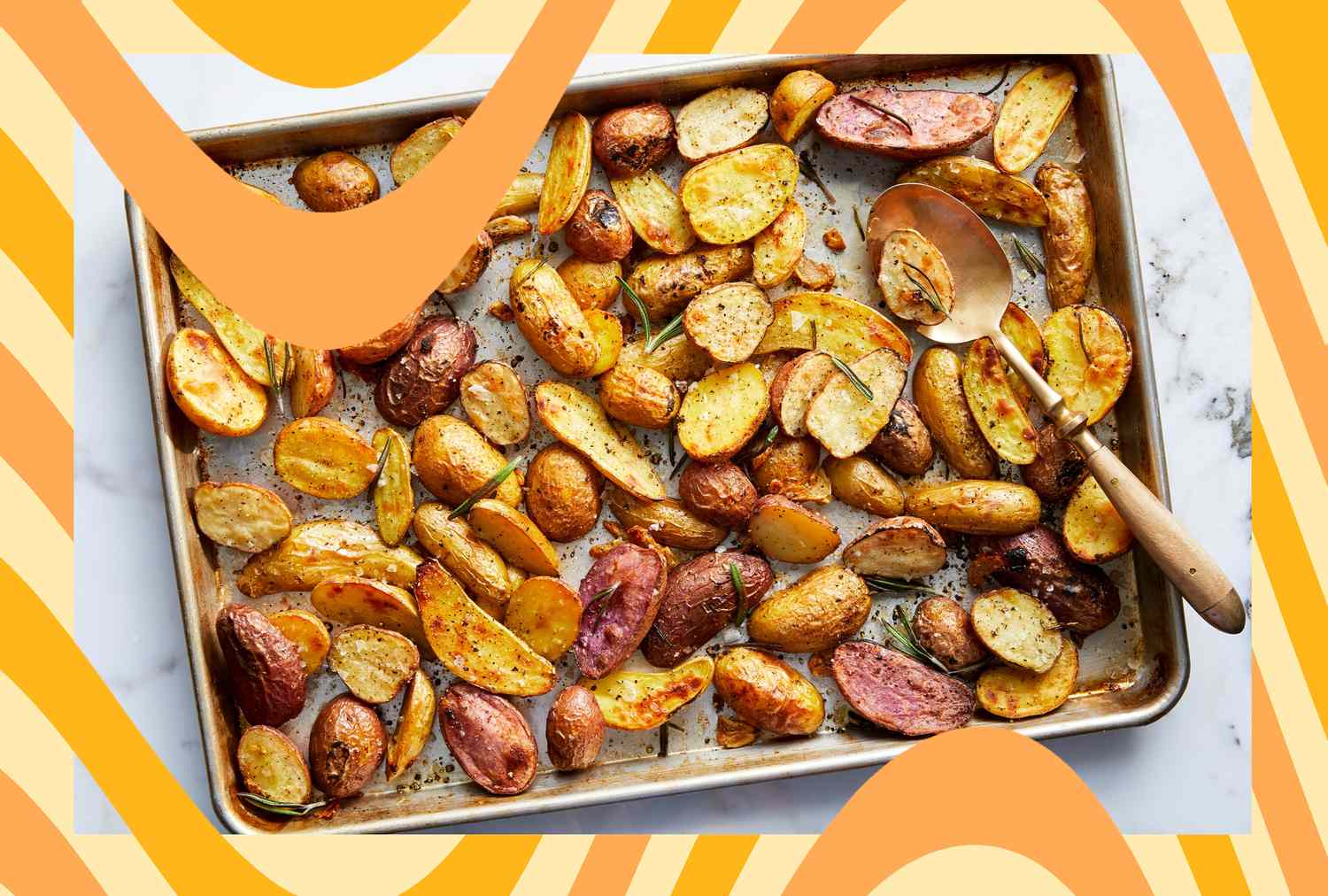
3. Potatoes
Potatoes are often labeled as “fattening” or unhealthy, but that reputation usually reflects how they’re prepared rather than the vegetable itself. “Potatoes often get a bad reputation, but from a nutrition standpoint, they’re actually a nutrient-dense and versatile food,” says Manaker.
Potatoes are a rich source of potassium, an essential mineral that supports blood pressure regulation, fluid balance and muscle function. In fact, they provide more potassium per serving than many other potassium-rich foods such as bananas and oranges. When eaten with the skin, potatoes also provide fiber, along with complex carbohydrates that support fullness and sustained energy.
“How they’re prepared often makes the biggest difference in their healthfulness,” says Manaker. Baked, roasted or boiled potatoes can fit into a balanced meal, especially when paired with protein and healthy fats.
4. Full-Fat Dairy
For years, nutrition guidance has emphasized choosing low-fat or fat-free dairy to limit saturated fat and support heart health. This advice was largely based on research showing that diets high in saturated fat can raise LDL (“bad”) cholesterol, a well-established risk factor for cardiovascular disease.
But newer research has prompted a more nuanced view of dairy in the diet. “Instead of focusing only on individual nutrients like saturated fat, researchers are increasingly looking at the whole food, sometimes referred to as the food matrix,” says Manaker. This approach considers how fat, protein, vitamins and other compounds work together in foods like milk and yogurt.
Dairy fat also affects nutrient absorption. It helps the body absorb fat-soluble vitamins such as vitamins A and D, which are naturally present in milk or added through fortification. These nutrients play key roles in immune function, bone health and overall metabolism.
That said, full-fat dairy isn’t recommended for everyone. People with elevated LDL cholesterol or heart disease may still benefit from lower-fat options. For others, enjoying a small amount of full-fat dairy can be part of a balanced eating pattern. The key is looking at the overall pattern of eating, rather than focusing on a single food in isolation.
Our Expert Take
Foods like eggs, white rice, potatoes and full-fat dairy are often limited because of outdated nutrition myths or diet trends that focus on single nutrients rather than overall eating patterns. In reality, these foods provide important nutrients, support energy and satiety and can play meaningful roles in everyday meals. When viewed in context, they can all fit into a balanced eating pattern without undermining health goals.
Rather than focusing on restriction, dietitians encourage paying attention to how foods are prepared, what they’re paired with and how they are enjoyed as part of meals. Health is shaped by overall dietary patterns—not by any single food eaten in isolation. Letting go of unnecessary food rules can make eating more flexible, culturally inclusive and sustainable, supporting both physical health and a healthier relationship with food.

Comments are closed.