
Diljit Dosanjh’s film ‘Sutlej’ sparks censorship debate after removal from streaming platform

Summary
- Diljit Dosanjh’s film Sutlej has become the center of controversy after it was removed from the streaming platform Zee5 just two days after its release.
- The decision, reportedly made following government directives, has reignited debate in India over censorship, creative freedom, and the balance between artistic expression and national security.
- Whether the filmmakers decide to challenge the decision through legal channels remains to be seen, but the controversy has already become one of the most widely discussed issues in Indian cinema.
AI Generated Summary
Diljit Dosanjh’s film Sutlej has become the center of controversy after it was removed from the streaming platform Zee5 just two days after its release. The decision, reportedly made following government directives, has reignited debate in India over censorship, creative freedom, and the balance between artistic expression and national security. The incident has drawn mixed reactions from members of the film industry, with some criticizing the move while others have defended the government’s right to intervene in sensitive matters.
The film, directed by Honey Trehan, was originally titled Punjab 95. It remained caught in certification disputes for several years and faced repeated delays before its eventual release. Instead of receiving a theatrical release, the filmmakers decided to premiere the movie directly on Zee5 on July 3. The decision was based on the fact that films released exclusively on over-the-top (OTT) streaming platforms do not require certification from the Central Board of Film Certification (CBFC), unlike movies released in cinemas.
However, only 48 hours after becoming available to viewers, Sutlej was removed from Zee5. According to media reports, the streaming platform acted on instructions from the Indian government. Reports suggested that concerns related to national security were cited as the primary reason for the film’s removal, although no detailed official explanation has been made public.
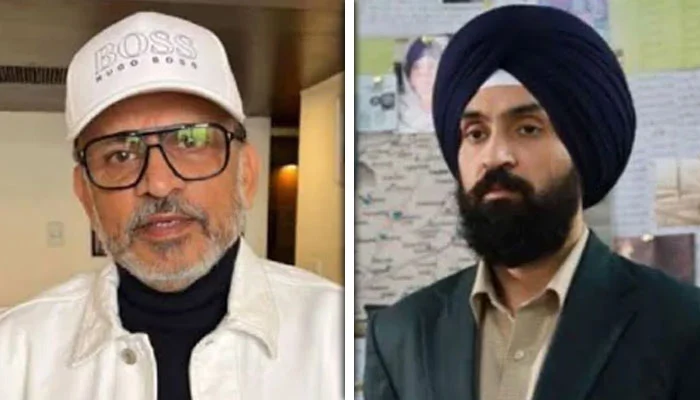
The government’s decision has sparked widespread discussion among filmmakers, actors, and audiences regarding the limits of creative freedom in the entertainment industry. While several individuals from the film fraternity questioned the removal of the movie, veteran actor Annu Kapoor offered a different perspective on the controversy.
Speaking to the media, Kapoor said that filmmakers should pursue legal remedies rather than seeking public sympathy or turning the issue into a public debate. According to him, if the filmmakers believe the government’s decision is unjustified, they should challenge it through the judicial system. He suggested that approaching the Supreme Court would be the appropriate course of action for resolving such disputes.
Kapoor also commented on remarks made by Diljit Dosanjh, who reportedly stated that art should remain separate from politics. Responding to this viewpoint, Kapoor argued that filmmakers who choose to produce movies on politically or historically sensitive subjects should be fully aware that such projects may attract controversy. He suggested that creators cannot expect every audience or authority to respond positively when dealing with issues that are closely connected to national interests or public sensitivities.
The controversy surrounding Sutlej has once again highlighted the ongoing debate over censorship in Indian cinema. Supporters of artistic freedom argue that films should be evaluated on their creative merit and that restrictions should be imposed only in exceptional circumstances. Others maintain that governments have a responsibility to act when content is believed to pose risks to national security or public order.
The removal of the film from Zee5 has also renewed discussion about the regulatory differences between theatrical releases and digital streaming platforms. Although OTT releases generally do not require prior certification from the CBFC, the incident demonstrates that governments may still intervene under certain legal or security-related circumstances.
As discussions continue, Sutlej remains at the center of a broader conversation about freedom of expression, artistic responsibility, and the role of government oversight in the entertainment industry. Whether the filmmakers decide to challenge the decision through legal channels remains to be seen, but the controversy has already become one of the most widely discussed issues in Indian cinema.
We welcome your contributions! Submit your blogs, opinion pieces, press releases, news story pitches, and news features to opinion@minutemirror.com.pk and minutemirrormail@gmail.com
Comments are closed.