
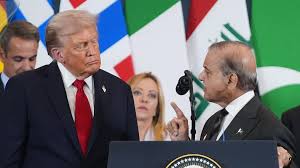
Diplomatic Cold War? Why the UAE is Growing Frustrated with Pakistan’s Shift Toward Iran:

The geopolitical landscape of the Middle East and South Asia is witnessing a significant tremor. Recent reports suggest a widening rift between the United Arab Emirates (UAE) and its long-term ally, Pakistan. At the heart of this tension is Islamabad’s increasing proximity to Tehran, especially as the shadow of a potential U.S.-Iran conflict looms over the region.
The Shift in Alliances: Pakistan’s Pivot to Iran
For decades, Pakistan has performed a delicate balancing act between the Gulf monarchies (led by Saudi Arabia and the UAE) and its neighbor, Iran. However, recent diplomatic maneuvers and infrastructure agreements—including the stalled but newly revitalized Iran-Pakistan Gas Pipeline project—have signaled a tilt toward Tehran. This shift has not sat well with the UAE, which views Iran’s regional influence with extreme caution.
UAE’s Economic Leverage and Displeasure
The UAE has historically been one of Pakistan’s most reliable financial lifelines, providing billions in loans, oil credit, and investment. Reports indicate that Abu Dhabi is now re-evaluating this “blank check” diplomacy. The frustration stems from the feeling that while the UAE provides the financial stability Pakistan needs, Islamabad’s strategic decisions are increasingly aligning with interests that challenge Gulf security frameworks.
The Shadow of the U.S.-Iran Conflict
As tensions between the United States and Iran escalate, the UAE remains a key U.S. partner. Pakistan’s refusal to distance itself from Iran—and its potential role as a “neutral” corridor that benefits Tehran—puts it at odds with the UAE’s strategic alignment. The UAE fears that Pakistan’s closeness to Iran could provide Tehran with a strategic “backdoor,” complicating the regional pressure campaign against the Iranian regime.
Impact on the Pakistani Diaspora and Trade
The diplomatic friction is not just restricted to high-level meetings; it has real-world implications for millions. The UAE is home to a massive Pakistani workforce whose remittances are the backbone of Pakistan’s economy. Any cooling of relations could lead to stricter visa regulations or a shift in investment priorities toward other South Asian nations, potentially leaving Islamabad in a deeper economic quagmire.
What Lies Ahead for Islamabad?
Pakistan now finds itself in a “triple-bind,” caught between its economic dependence on the UAE, its geographical necessity to remain on good terms with Iran, and its complex relationship with the United States. Whether Islamabad can smooth over the cracks in its relationship with Abu Dhabi without alienating Tehran remains the biggest question for South Asian diplomacy in 2026.
Read More: Diplomatic Cold War? Why the UAE is Growing Frustrated with Pakistan’s Shift Toward Iran

Comments are closed.