
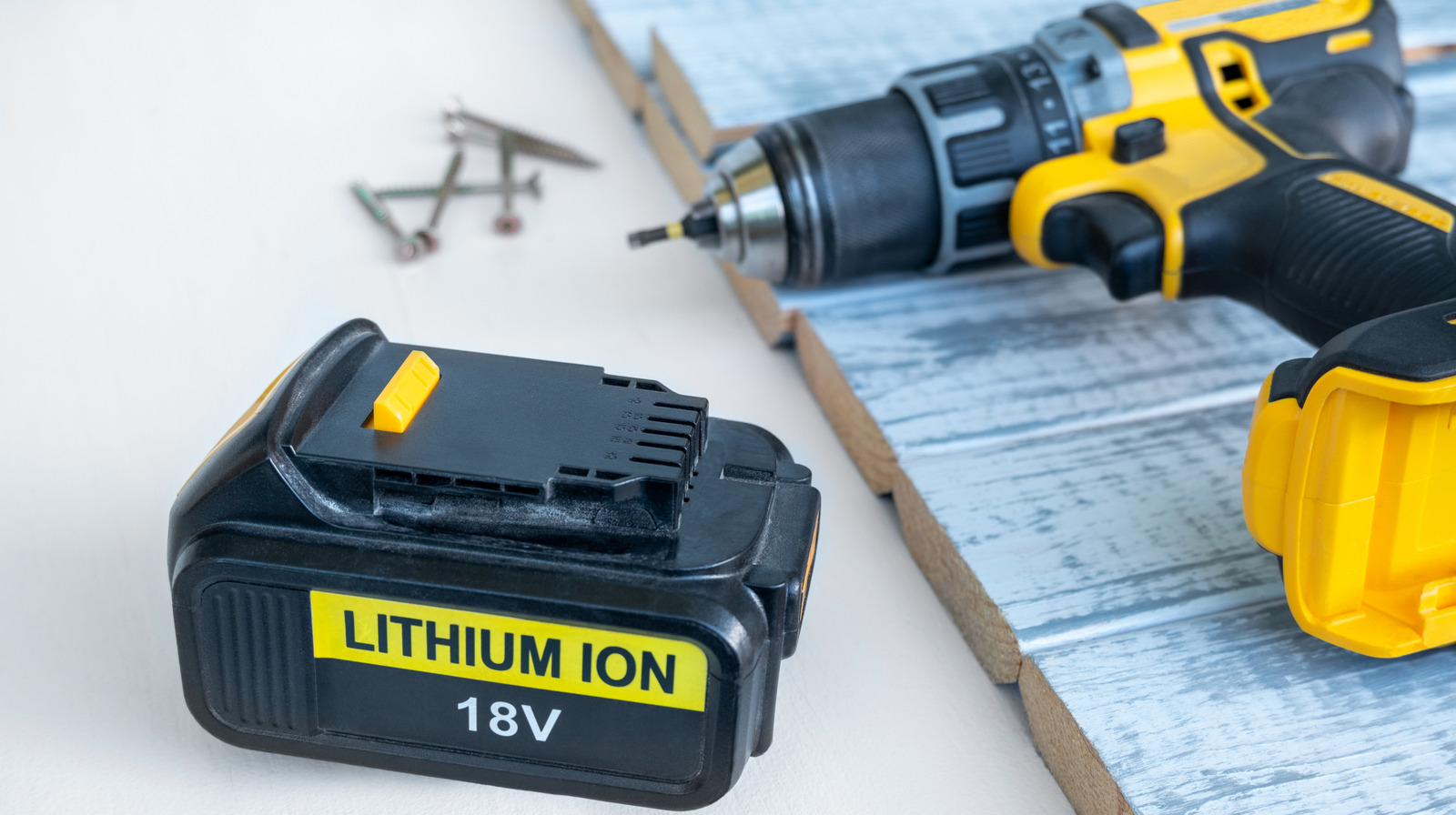

The sheer convenience of cordless power tools is something that many of us take for granted — until the battery runs out and you remember you don’t have a spare ready. In such troubling circumstances, the temptation is to slap the battery straight onto the charger, and preferably a fast charger. But wait a minute, power tool batteries are expensive, and don’t fast chargers damage them? The answer to this isn’t straightforward and can be summarized in two words — yes and no.
To understand why, we need to take a quick history lesson and also take a peek at how batteries and battery chargers work. Much of the confusion around fast charging comes from early lithium-ion batteries. These lacked sophisticated thermal monitoring and were far more sensitive to heat and overcharging. In those systems, higher charging currents often translate directly into higher temperatures, which are known to accelerate lithium-ion cell degradation. Most good-quality modern batteries for power tools use a Battery Management System (BMS) to protect the battery during charging. Such systems monitor the battery state and dynamically adjust their output when conditions aren’t ideal.
In practice, the real threat isn’t the fast charging of the battery, but managing the excess heat. It’s when this safeguard fails that fast charging a battery can lead to damage. What this means is that just saying that fast chargers damage batteries is not a certainty.
Why batteries wear out — and why charging gets the blame
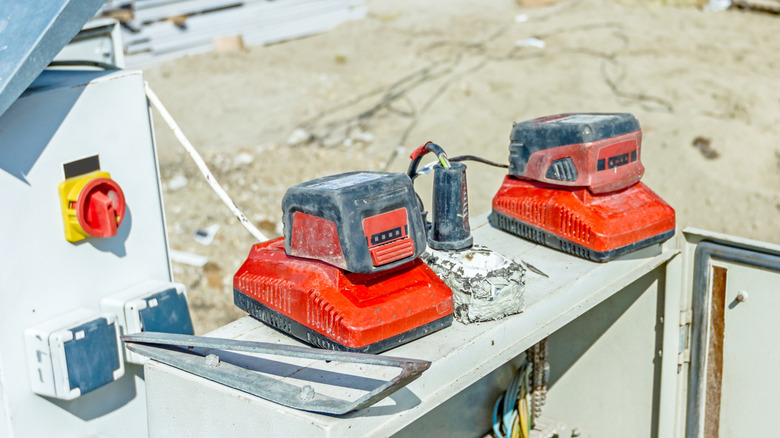
How long lithium-ion batteries last depends on various factors, but heat is certainly a main concern. Elevated temperatures accelerate the chemical reactions within the cell, and this reduces its ability to hold a charge. In the most extreme cases, this can also cause the battery to vent gas or even to enter a state known as thermal runaway, which can potentially lead to fire.
Modern power tool batteries are designed with this reality in mind. Compared to the compact high-density cells used in phones and laptops, tool battery packs are built around larger cylindrical cells such as 18650 or 21700 formats, although some advanced packs may use pouch cells. These will generally incorporate temperature sensors and protective electronics that work alongside the charger to regulate how energy is delivered.
Fast chargers don’t just push the maximum charge continuously. Instead, they constantly monitor the pack’s “vital signs” and adjust the output to ensure that everything stays within safe parameters. For instance, if a battery is too warm, charging may slow, pause, or refuse to begin altogether. To help address this, many chargers also feature active cooling systems to help cells stay within acceptable temperature ranges during charging.
This is why charging behavior matters as much as charging speed. For example, a battery that’s “warm off the drill” is under far more strain than a cool battery placed on a fast charger.
Charging habits and fast chargers

We’ve established that the proper use of fast chargers is unlikely to significantly shorten the lifespan of a battery. However, user behavior can swing this equation the wrong way. As already noted, one of the most common mistakes is to place a battery on charge immediately after heavy use. A pack that’s still hot is already under thermal stress, and adding additional heat from charging compounds the problem. Most modern chargers will slow or delay charging under these circumstances, but repeating these cycles often enough can still accelerate wear.
On the same theme, ambient temperature is something that’s often overlooked. Charging batteries in hot garages, sheds, or vans can push the cells outside their ideal temperature range, even if the charger is functioning correctly. High temperatures reduce charging efficiency and increase internal resistance, both of which contribute to long-term capacity loss.
Another risk comes from using third-party chargers, especially substandard ones, which often lack proper temperature monitoring or current regulation. Unlike the brand’s own chargers, which are designed to work in tandem with a specific battery platform, off-brand chargers may continue charging beyond ideal conditions. This is why you should always think twice before using third-party DeWalt chargers, for instance.
Used properly, the right combination of fast charger and battery shouldn’t cause battery damage, but only if you also avoid the other mistakes that can ruin your power tool batteries. Finally, no charging method is entirely stress-free, so whenever charge speed isn’t essential, a standard charger remains a sensible alternative.

Comments are closed.