
Do rotis harden and turn into papad in winter? Try these 5 tricks while kneading the dough, the rotis will remain as soft as butter.

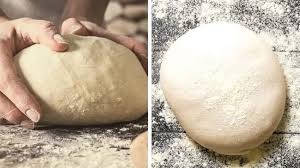
News India Live, Digital Desk: While on one hand the harsh cold of December and January (Winter 2025) feels good, on the other hand it also brings a big problem for those working in the kitchen. And that problem is hard and dry rotis. Women often complain that when they take the roti out of the pan, it is soft, but as soon as it cools down or goes into the tiffin, it starts stretching or becomes hard like a biscuit. The mood of the person eating is also bad and the efforts of the person preparing it are in vain. But don’t panic! The fault is not in your flour, but in the ‘kneading method’. The air is dry in winter, so the flour needs extra moisture. Today we are telling you the secrets which confectioners and dhaba vendors use. 1. Say ‘no’ to cold water (Use Warm Water) The biggest mistake we make in winter is that we apply flour with cold tap water. This causes the gluten of the flour to stiffen. Tip: Always knead the dough with lukewarm water. This makes the dough very flexible and the bread also rises well.2. The dough gets ‘thirsty’ (Rest the Dough) If you start making rotis immediately after kneading the dough, then the rotis will never become soft. Tip: After kneading the dough, cover it with a wet muslin cloth and keep it aside for at least 15 to 20 minutes. This is called ‘resting time’ of the flour. This gives a different softness to the roti.3. A little ‘Moyan’ magic (Add Milk or Ghee) If you want the roti to remain soft even after 6 hours in the tiffin, then just water is not enough. Tip: While kneading the dough, add two spoons of desi ghee or a small cup of milk in it. The flour kneaded with milk does not allow the rotis to turn black and they become extremely soft. Some people also like to add cream to it.4. It is important to knead well (Kneading is Key). Just mixing the flour in water and leaving it is not enough. Use your palms and fists and knead the dough well for 4-5 minutes (Loch lagana). The more the flour is kneaded, the more fluffy and soft the roti will become.5. Use the hot pot properly. After making the roti, do not throw it directly into the casserole. Steam comes out from the hot roti which makes the bottom roti soggy. Tip: Lay a cotton cloth or napkin in the casserole, then place the rotis and cover the top with the cloth as well. This will trap the heat of the rotis but will not allow them to become soggy.

Comments are closed.