
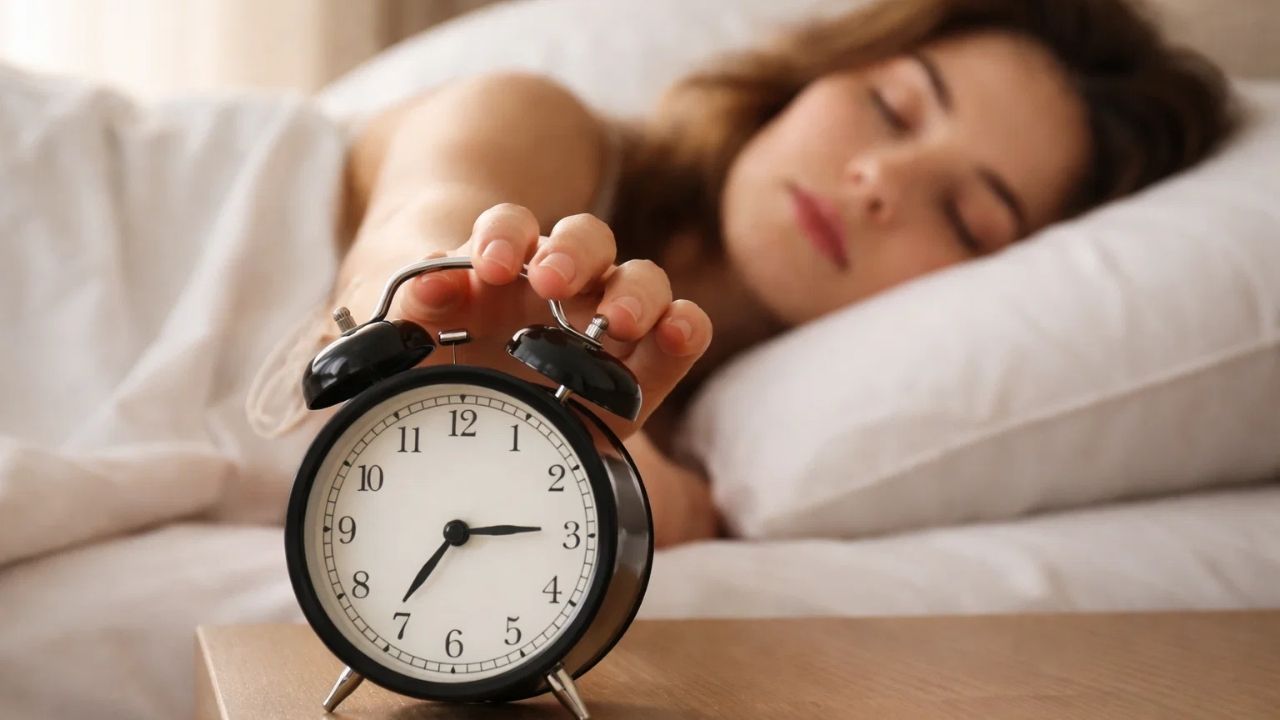
Do you have to set multiple alarms to wake up in the morning? So be careful, this habit can cause many diseases

Nowadays, setting multiple alarms to wake up in the morning has become a common habit for many people. As soon as the first alarm is switched off, the second one starts ringing, then the third and sometimes even the fourth. This is not just a problem of getting up in the morning, but can also be a serious warning for your health.
Sleep experts believe that repeatedly waking up with the help of alarm is a sign that your body is not able to rest completely.
Why are there many alarm bells?
When we suddenly wake up from sleep due to the sound of the alarm, the brain is shocked from the state of deep sleep. This is called sleep inertia. In this condition, the person feels lethargy, irritability, difficulty in concentrating and mental fog. Sometimes this effect can last for hours. If you need more than one alarm to wake up every day, it may be a sign of sleep deprivation or poor sleep quality.
How much sleep is necessary?
Sleep needs vary by age, but for most adults, 7 to 8.5 hours of sleep is considered ideal. There are very few people who are able to function properly even with less than 5 hours of sleep. Experts say that people who sleep less than 7 hours continuously can see problems like fatigue, mood swings, weak memory and mental stress.
Problems due to lack of sleep
Not only multiple alarms, but some other symptoms also indicate that your sleep is incomplete. For example, if you are feeling sleepy even after sleeping the whole night, then it is a problem. Apart from this, there may be difficulty in focusing or remembering things. Not only this, if you feel irritable or in a bad mood throughout the day, it means that you have not got enough sleep.
What is good sleep?
Healthy sleep means: waking up automatically without alarm, feeling fresh and energetic as soon as you wake up in the morning, maintaining energy levels throughout the day, being able to work without excess caffeine. When sleep is balanced, the body’s circadian rhythm works properly, resulting in better physical and mental health.
what to do for better sleep
To improve sleep, small steps are not enough. Make a habit of sleeping and waking up at the same time every day, even on weekends. Stay away from mobile phones and screens at least an hour before sleeping, reduce tea and coffee after evening, keep the bedroom quiet, dark and cool, read a light book or meditate before sleeping. If you feel tired in the morning even after getting complete sleep, then it is important to consult a sleep expert. Sometimes problems like insomnia, sleep apnea or irregular sleep patterns spoil the quality of sleep.

Comments are closed.