
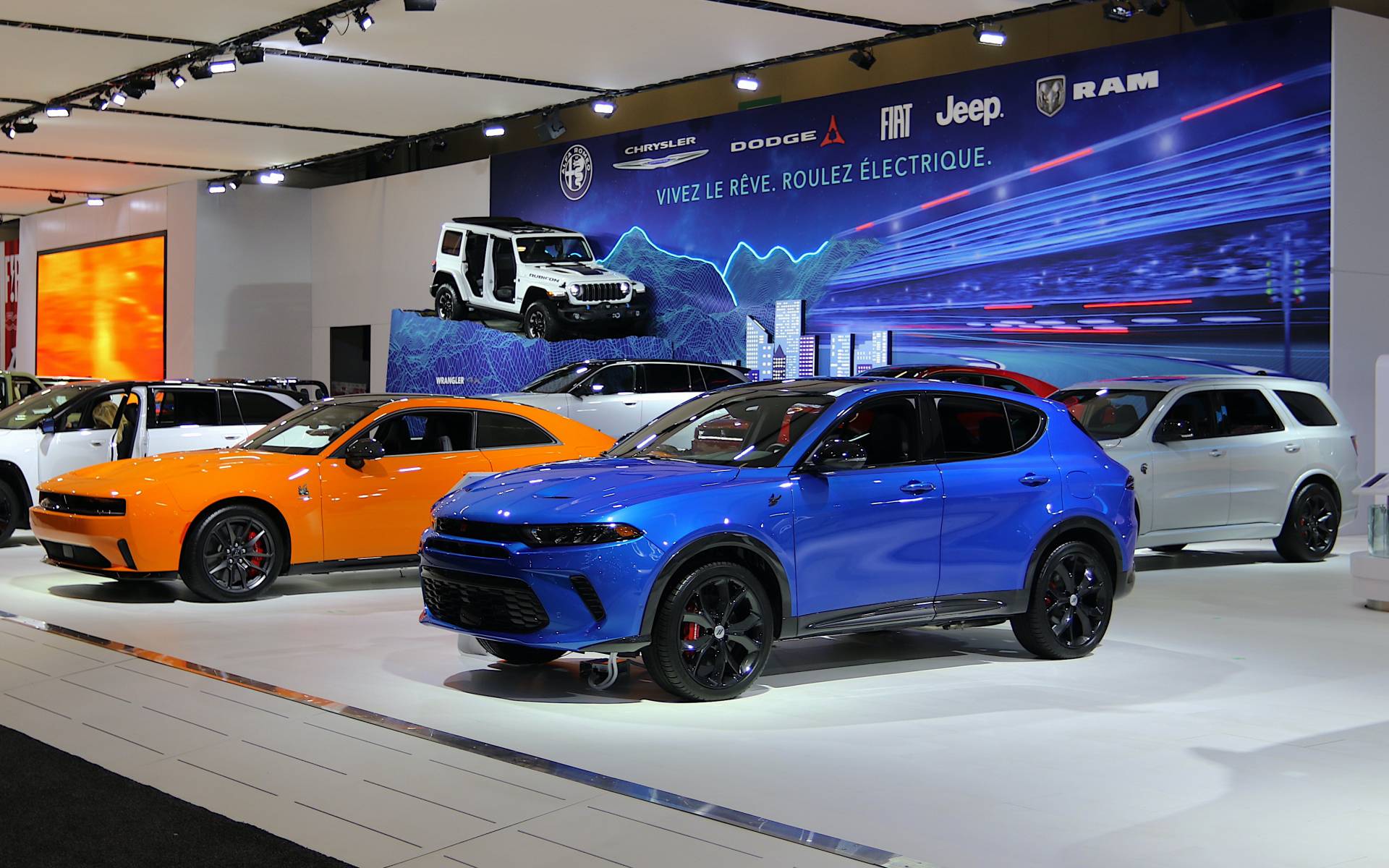

Dodge is at a crossroads. With its traditional volume seller gone and V8 engines suddenly creeping back into conversations, the brand is trying to rediscover what made it exciting in the first place.
Right now, the Dodge Durango has been quietly carrying the sales load. But the bigger question remains: where does Dodge go from here?
According to CEO Matt McAlearthe answer might lie in something surprisingly simple. Back to basics.
Speaking at the New York International Auto ShowMcAlear suggested that Dodge could challenge modern car expectations by stripping things down to essentials. “I think the biggest thing that we need to start doing is challenging the industry on what the expectations are from an entry-level base vehicle,” McAlear said. Not cheaper. Just simpler.
Analog Might Be the New Cool
That simplicity could mean analog gauges, fewer screens, and maybe even skipping traditional infotainment systems altogether.
McAlear floated the idea of cars with speakers instead of built-in radios, where drivers simply connect via Bluetooth. It’s a radical shift in an era where even budget cars come packed with digital displays and touch controls.
Here’s the thing. Cars have become more complex and expensive, often pushing entry-level buyers out of the market. Dodge believes there’s an opportunity to flip that narrative.
“We need to push forward and maybe make people uncomfortable,” McAlear said. “Give them something they don’t realize that they want.”
It’s not entirely unprecedented. Minimalist thinking is already emerging elsewhere. The upcoming Slate Electric Truckfor example, skips features like power windows and radios in its base version, offering a shelf for a Bluetooth speaker instead.
Regulations Still Set the Rules
Of course, going minimalist isn’t as simple as removing features. Safety regulations still apply.
Backup cameras, for instance, are mandatory. And new rules from the National Highway Traffic Safety Administration require automatic emergency braking in new vehicles.
Ironically, digital screens are often cheaper than traditional analog components, which complicates the “back-to-basics” approach. Even the simplest cars today still need at least one screen to comply with regulations.
Still, Dodge believes there’s room to rethink what drivers actually need.
The Ghost of Affordable Performance
This isn’t the first time Dodge has flirted with entry-level performance. Over the years, the brand has teased several concepts that never made production.
The Dodge Copperhead is a perfect example. A lightweight, rear-wheel-drive roadster focused on driving fun rather than outright power. It never reached showrooms, but enthusiasts still talk about it decades later.
Then there was the Dodge Neon SRT‑4a chaotic but lovable performance bargain. More recently, Dodge hinted at recapturing that spirit with a GLH-badged Dodge Hornetthough that idea hasn’t fully materialized.
A Return to Fun?
Dodge has built its reputation on doing the unexpected. From the original Dodge Viper to muscle car dominance, the brand has repeatedly shaken up the market.
Now, it may be ready to do it again.
A simpler, lighter, more affordable performance car could bring Dodge back to its roots. Less luxury, more driving joy. Less complexity, more character.

Comments are closed.