

An office worker in Goyang, Gyeonggi Province, said avoiding neighbors has become part of their daily routine, the Korea JoongAng Daily said. When they hear footsteps or voices in the hallway, they wait inside until it is completely quiet before stepping out.
Despite living in the building for years, they said they have never spoken to the couple across the hall and know only that they are young.
“When I hear the elevator close, that’s when I open the door and step out.
“I don’t even want to nod at anyone. It feels bothersome, and I’d rather avoid it. I don’t want others entering my life, and I have no desire to reveal anything about my routine,” they said.
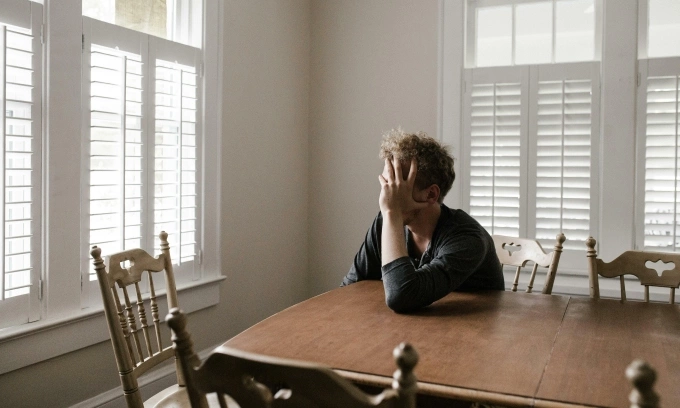
Urban life can bring physical closeness but emotional distance for many residents. Photo by Pexels |
This behavior is becoming increasingly common in South Korea. A recent post on an online forum drew widespread attention after sharing a handwritten note from a neighbor that read, “If you hear my door open or any signs of movement, please wait a moment before coming out. I believe this is a basic unspoken rule we should respect.”
The note sparked controversy, with some users criticizing the request as unreasonable and rude, while others said they understood the sentiment, arguing that unexpected encounters with strangers in hallways can be stressful and uncomfortable.
Ji, who lives alone in Yongin, said she feels tense whenever someone exits the elevator at the same time as her. After reading reports about stalking and neighborhood violence, she began avoiding eye contact altogether.
Jung, a worker living in Seoul’s Mapo District, said, “It’s scary to think someone might find out where I live and that I live alone.”
Even people who prefer traditional greetings are gradually abandoning the practice. Shim, who moved to Seoul two years ago, said he initially greeted neighbors in the elevator but stopped after receiving no response. “It was so awkward that I don’t say anything anymore,” he said.
A survey of 1,000 adults by market research firm Embrain Trend Monitor shows declining neighborhood ties in South Korea. It found that 79 percent only exchange basic greetings, while 56 percent said the idea of neighbors helping one another no longer applies in current society.
Paik Jong-woo, a psychiatry professor at Kyung Hee University Hospital, said urban anonymity can offer a sense of freedom but leads to social isolation.
“In a society like South Korea’s, where extended families are vanishing and people live in densely packed housing, the loss of neighborly ties can deepen feelings of loneliness and isolation.
“Our society may seem functional most of the time, but when personal crises strike, the lack of human connection can increase risks to mental health, including suicide,” he said.

Comments are closed.