
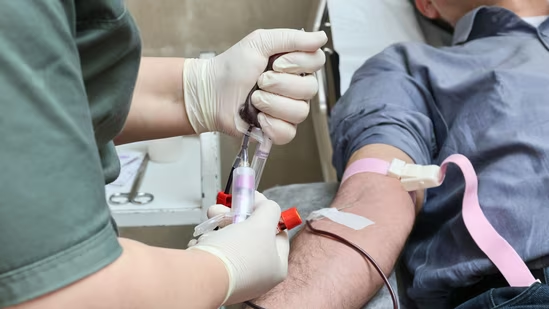

Blood donation is one of the simplest ways to help save lives, yet many people hesitate because of common misconceptions. One persistent myth is that donating blood can cause weight gain or even lead to obesity. However, medical experts say there is no scientific evidence to support this belief.
In reality, body weight is influenced by factors such as diet, physical activity, sleep, and overall lifestyle—not by donating blood.
Can Blood Donation Cause Weight Gain?
The short answer is no.
Donating blood does not directly cause weight gain or obesity. After a blood donation, your body naturally begins replacing the blood cells and plasma that were lost. This recovery process requires energy, but it does not alter your metabolism in a way that leads to weight gain.
If someone gains weight after donating blood, it is usually because of lifestyle changes rather than the donation itself.
Why Do Some People Think They Gain Weight?
Some donors mistakenly believe their body becomes weak after donating blood and therefore:
- Eat larger portions than usual
- Consume high-calorie snacks or sugary drinks
- Stop exercising for an extended period
- Become less physically active
These habits—not the blood donation—can contribute to gradual weight gain.
What Happens Inside Your Body After Donating Blood?
During a standard blood donation, approximately 350 to 450 millilitres of blood is collected.
An average adult has around 5 litres of blood, so the amount donated represents only a small portion of the body’s total blood volume.
After donation, your body:
- Replaces the lost plasma within a day or two
- Produces new red blood cells in the following weeks
- Gradually restores iron stores, especially when supported by a healthy diet
Most healthy people recover fully, with blood components replenished over time.
Who Can Donate Blood?
While eligibility requirements may vary slightly by country, blood donors are generally expected to:
- Be between 18 and 65 years of age (in many donation programs)
- Be in good overall health
- Meet the minimum weight requirement set by the blood donation center
- Have adequate hemoglobin levels
- Be free from certain infections or medical conditions that could affect donation safety
Always follow the eligibility guidelines provided by your local blood donation service.
Health Benefits of Blood Donation
Although the primary goal of blood donation is to help others, donors may also experience certain benefits, including:
- Supporting the natural production of new blood cells
- Receiving a basic health screening before donation, such as blood pressure and hemoglobin checks
- Contributing to emergency care, surgeries, cancer treatment, and the management of chronic blood disorders
The greatest benefit, however, is helping patients whose lives depend on blood transfusions.
How to Recover After Donating Blood
To recover comfortably after donating blood:
- Drink plenty of fluids.
- Eat balanced meals rich in iron, protein, and vitamins.
- Avoid strenuous exercise for the rest of the day or as advised by the donation center.
- Resume your normal physical activity once you feel well.
- Continue maintaining a healthy lifestyle.
There is generally no need to stop exercising for several days unless instructed otherwise by a healthcare professional.
The Bottom Line
Donating blood does not cause weight gain or obesity. Any increase in weight after donation is usually linked to changes in eating habits and reduced physical activity rather than the donation itself. Healthy adults who meet eligibility requirements can safely donate blood, helping save lives while allowing their bodies to naturally replace the donated blood over time.
Disclaimer: This article is for informational purposes only and should not be considered medical advice. Eligibility criteria for blood donation may vary by country and individual health conditions. Consult your healthcare provider or local blood donation center if you have questions about whether you are eligible to donate.

Comments are closed.