
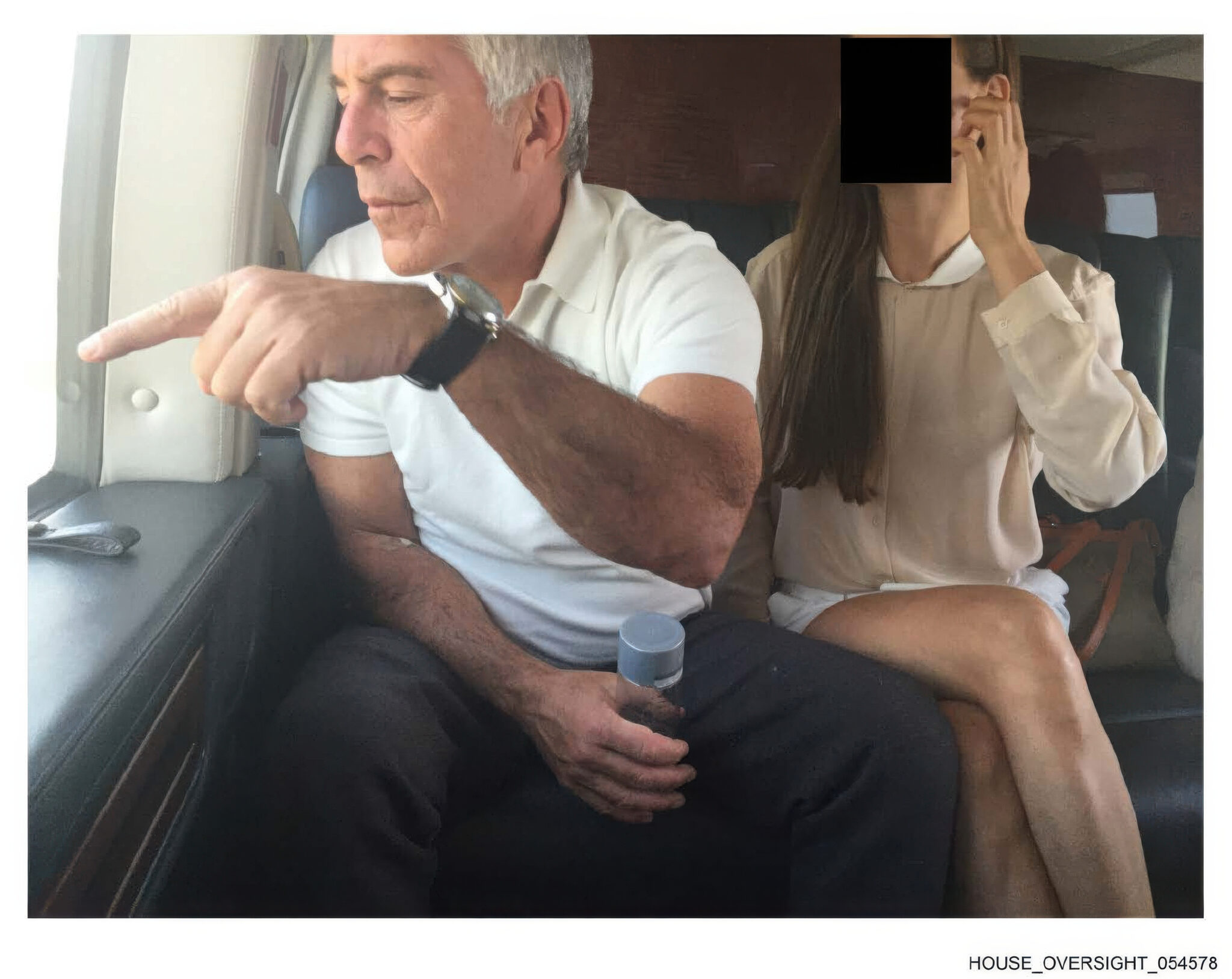

DOJ Begins Releasing Epstein Files Amid Public Pressure/ TezzBuzz/ WASHINGTON/ J. Mansour/ Morning Edition/ The Justice Department has started releasing long-awaited documents from its Epstein sex trafficking investigation, following a congressional mandate. While hundreds of thousands of records are expected, Friday’s release marks only the first wave. The files may shed new light on Epstein’s abuse network and ties to powerful individuals, including Donald Trump and Bill Clinton.
Epstein Document Release Quick Looks
- DOJ began releasing Epstein investigation files on Friday as mandated by law.
- Hundreds of thousands of documents expected, though not all were released by the deadline.
- Materials include interview transcripts, grand jury records, photos, and call logs.
- The law prohibits redactions for political sensitivity or reputational harm.
- Files related to victims and ongoing investigations may be redacted.
- Trump previously resisted the release but signed the bill in November.
- Attorney General Pam Bondi ordered a probe into Epstein’s ties to Trump’s rivals.
- DOJ says it found no prosecutable evidence beyond Maxwell.
- Maxwell is serving a 20-year sentence for her role in the abuse network.
- Public interest remains high in Epstein’s links to elite figures like Trump and Clinton.
- Epstein’s accuser Virginia Giuffre died by suicide in April 2025.
- DOJ has over 300 gigabytes of data connected to Epstein’s crimes.
- Trump has denied wrongdoing and called the Epstein matter a distraction.
- Many records had already been released via lawsuits and press investigations.
Deep Look: DOJ Starts Releasing Epstein Sex Trafficking Files Amid Public and Political Pressure
The Department of Justice on Friday began releasing a long-anticipated trove of files related to the Jeffrey Epstein sex trafficking investigation, marking the first public disclosure of thousands of government documents tied to the disgraced financier’s crimes. The release comes in response to a new federal law signed by President Donald Trump last month, requiring the DOJ to publish unclassified Epstein records within 30 days.
Although Friday marked the official deadline, Deputy Attorney General Todd Blanche confirmed that the DOJ would release only part of its holdings on the initial day, with hundreds of thousands more documents to follow in the coming weeks.
The documents released include a range of materials gathered over nearly two decades, such as interview transcripts, grand jury testimony, police reports, call logs, and photographs. It remains unclear how much of the new material contains substantive, previously undisclosed information or clarifies Epstein’s relationships with high-profile individuals, including Trump, Bill Clinton, and Prince Andrew.
Public interest in the files has remained intense, particularly around whether any of Epstein’s prominent associates were aware of or involved in his abuse of underage girls. Survivors and advocates have also long questioned why the federal government originally allowed Epstein to avoid serious prosecution in 2008, when he received a lenient plea deal in Florida despite substantial evidence of abuse.
The newly signed law that triggered the release allows for redactions only in limited circumstances, including the protection of victims or to preserve the integrity of active federal investigations. However, the law explicitly forbids withholding or redacting documents due to “embarrassment, reputational harm, or political sensitivity.” This language was added to ensure that files implicating politically connected individuals could not be kept from the public.
Attorney General Pam Bondi said last month that she had ordered a new investigation into Epstein’s connections to Trump’s political rivals, including former President Bill Clinton. That order came after Trump reportedly pressured the Justice Department to shift focus onto prominent Democrats. However, none of the men named by Trump have been accused of sexual misconduct by Epstein’s victims.
Trump had long opposed the public release of the Epstein files, calling the matter a “hoax” and labeling some of his own supporters “weaklings” for engaging with it. But under political pressure, and recognizing that bipartisan momentum in Congress made the bill’s passage inevitable, Trump reversed course and signed the legislation on November 19, 2025.
The original criminal investigation into Epstein began in 2005, after the family of a 14-year-old girl reported that Epstein had molested her at his Palm Beach mansion. The FBI and local police collected testimony from multiple underage girls who said they were paid to perform sexual massages for Epstein. Despite the volume of evidence, prosecutors in Florida allowed Epstein to plead guilty to lesser state charges. He was sentenced to just 18 months in jail and received work release privileges for much of that time.
Years of litigation followed as Epstein’s accusers sought to challenge the lenient deal. Ours was Virginia Geuffe Geuffwho claimed Epstein trafficked her to powerful men — including billionaires, academics, politicians, and Andrew Mountbatten-Windsor, formerly known as Prince Andrew. All the men named by Giuffre have denied her allegations, and none were charged in connection with her claims.
Giuffre died by suicide in April 2025 at her home in Western Australia. Her death reignited calls for greater transparency in the Epstein investigation and intensified scrutiny on the Justice Department to disclose what it knew and when.
Epstein was arrested again in 2019 on new sex trafficking charges, but he died by suicide in a New York federal jail just weeks later. Following his death, prosecutors charged British socialite Ghislaine Maxwell with recruiting underage girls for Epstein’s abuse. She was convicted in 2021 and is now serving a 20-year prison sentence. After a summer interview with DOJ officials, she was transferred to a lower-security prison camp in Texas.
In July 2025, the Justice Department stated it had found no additional evidence supporting charges against other individuals. That announcement fueled further conspiracy theories and public speculation about whether key names had been protected.
Many Epstein-related materials have already been made public through lawsuits and investigative reporting. Released materials include flight logs from Epstein’s private jet, email correspondence, and sworn testimony. Despite this, public demand for full transparency has remained high, particularly concerning Epstein’s social ties to political and business elites.
Trump’s name has appeared frequently in documents and photographs, reflecting a long but reportedly strained relationship with Epstein. Trump has denied ever participating in Epstein’s criminal activities. Bill Clinton has also denied any involvement, despite being listed on flight logs. The new batch of DOJ files is expected to provide more context about these associations.
As the document release continues in stages, both media outlets and the public will scrutinize the contents for new revelations. The Justice Department has yet to indicate how many total files remain to be released or when the process will be completed.
More on US News

Comments are closed.