
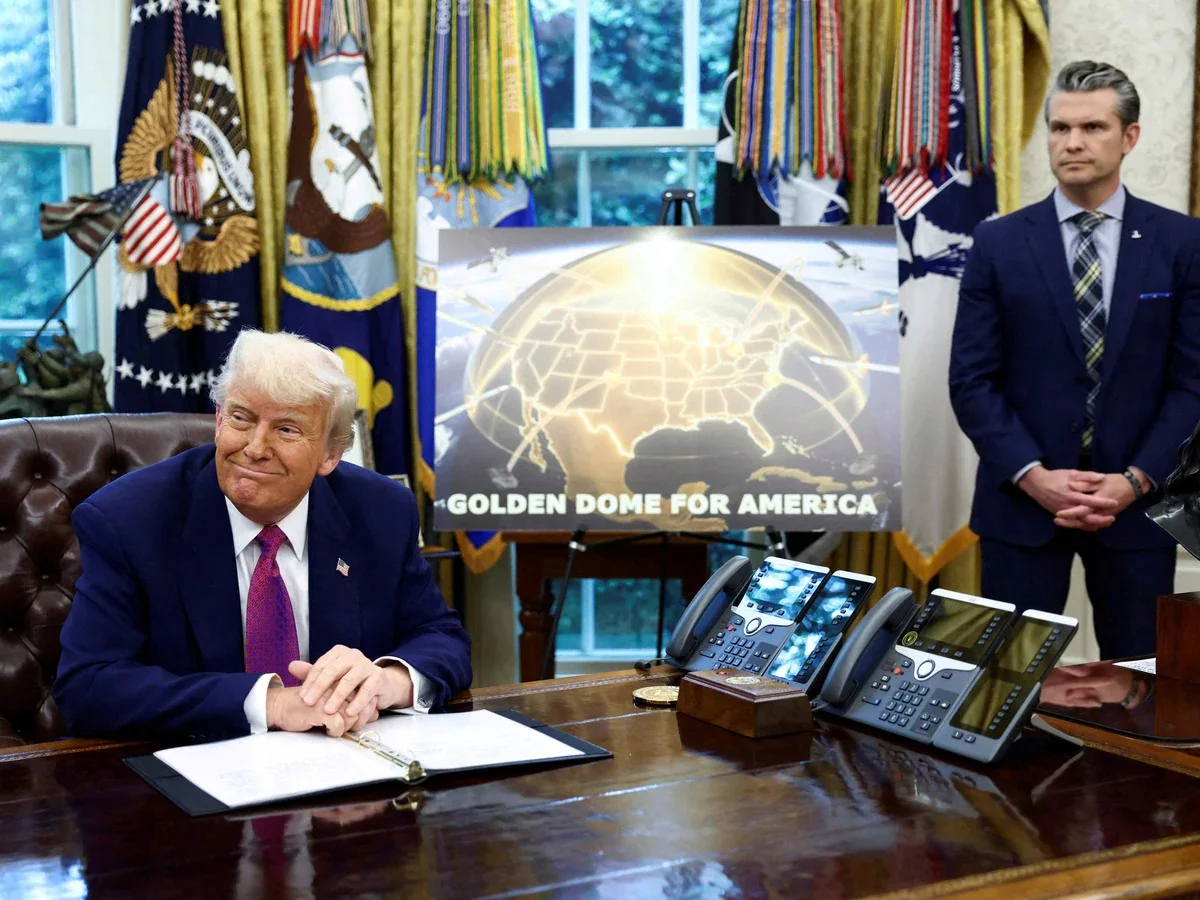
Donald Trump Calls Emergency Cabinet Meeting at White House to Finalize Historic End of War Peace Deal with Iran:

In a rapid and highly significant geopolitical development that has captured worldwide attention, United States President Donald Trump has convened a critical Cabinet meeting at the White House. The high-stakes huddle, originally scheduled to take place at the historic presidential retreat of Camp David, was abruptly relocated to Washington D.C. due to adverse weather conditions and heavy rain forecasts. This urgent assembly comes at a highly sensitive moment as Washington and Tehran inch closer to finalizing a comprehensive peace deal aimed at terminating the intense conflict that has disrupted global stability.
President Trump expressed immense confidence regarding the trajectory of the ongoing diplomatic talks, asserting on his social media platform that a memorandum of understanding has been “largely negotiated.” However, the administration’s rush to seal the agreement has triggered profound internal friction, with hard-line lawmakers and conservative analysts openly expressing skepticism. The unfolding White House negotiations are being monitored closely across international desks, given the massive economic and strategic stakes attached to a potential breakthrough in West Asia.
Striking a Delicate Balance and Reopening the Crucial Strait of Hormuz
The core structure of the emerging peace framework centers around a temporary ceasefire, a conditional easing of economic sanctions, and the unfreezing of billions in Iranian assets. Most importantly, the landmark deal outlines a strict timeline for the immediate reopening of the strategic Strait of Hormuz, a vital maritime corridor through which nearly twenty percent of global energy supplies transit. The prolonged closure of this shipping channel during the hostilities had jolted energy markets worldwide, sending global oil and domestic retail fuel prices climbing rapidly.
Under the negotiated parameters, a thirty-day window will be dedicated to lifting the active naval blockade on Iranian ports, enabling commercial shipping to return to its pre-conflict baseline. Concurrently, a subsequent sixty-day window has been proposed to iron out long-term constraints regarding Iran’s nuclear enrichment programs. Despite the visible progress mediated through regional partners like Pakistan and Qatar, top Iranian officials have maintained a cautious stance, dismissing absolute American control over their national nuclear facilities as a diplomatic fantasy.
Political Backlash at Home as Trump Defends His Diplomatic Strategy
As details of the draft agreement trickle out, President Trump is facing heavy domestic criticism, particularly from hawkish members of his own political party. Prominent conservative senators have openly panned the proposed terms, labeling a lengthy ceasefire a strategic disaster that could render previous military operations entirely meaningless. Critics argue that the current roadmap mirrors previous atomic pacts and might inadvertently leave Iran in a highly dominant position across the regional landscape.
Responding aggressively to his domestic detractors, President Trump firmly defended his administration’s approach, emphasizing that both sides must take their time to ensure an error-free final settlement. He explicitly warned that the stringent military blockade on Iranian commercial outlets will remain in full force and effect until a verifiable agreement is formally certified and signed. With his approval ratings experiencing visible pressure amid the economic fallout of the conflict, the president’s upcoming executive decisions will hold immense weight for both global security and domestic political dynamics.

Comments are closed.