
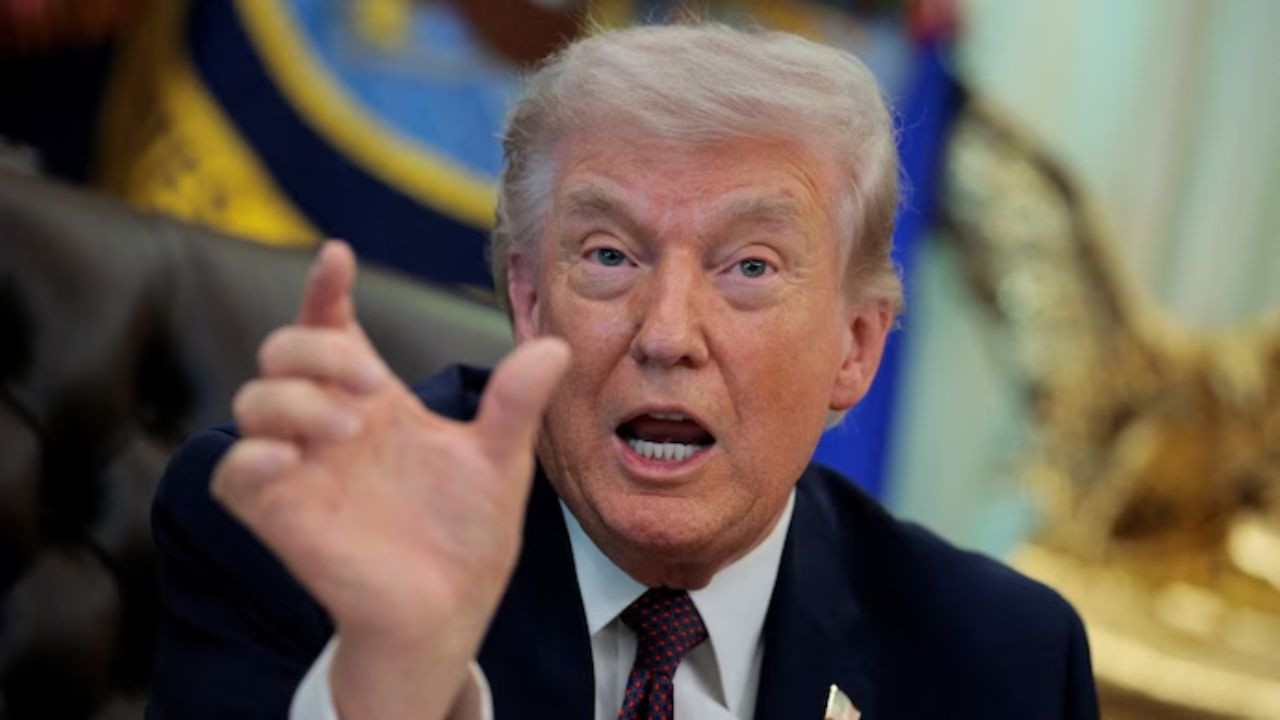
Donald Trump imposes 100% tariff on import of patented medicines, know what will be the impact on India

US President Donald Trump has taken an important decision to impose 100 percent tariff on the import of patented medicines. The main objective of this decision is to encourage American pharma companies to increase production within the country. However, at present generic medicines have been kept out of this scope, due to which the immediate effect is believed to be limited. Experts believe that this step can have far reaching effects in the global pharmaceutical market.
What is America’s strategy?
America’s strategy behind this policy is to strengthen the domestic industry and make the supply chain more secure. The government argues that reducing dependence on foreign imports will strengthen national security. Imposing tariffs on patented drugs and their related raw materials will increase pressure on international pharmaceutical companies to establish or expand their production units in the US.
If seen from India’s perspective, at present this decision is a relief. The reason for this is that a large part of Indian pharma exports are based on generic medicines, which are currently exempted from this tariff. In such a situation, Indian companies will be able to maintain their exports and the supply of cheap medicines will continue in the American market.
What do experts think?
However, there remains uncertainty whether this relief will last for a long time or not. Experts believe that if generic medicines are also brought under the ambit of this tariff in future, it could pose a big challenge to the Indian pharmaceutical industry. Apart from this, those Indian companies which are involved in the business of patented medicines or their raw materials may also have to face the negative impact of this policy.
This decision is not limited to India only, but it will also impact other major countries like Europe, Japan and South Korea. Some countries may benefit from relatively low tariffs, but overall the move signals an increase in protectionism globally. In the coming time, multinational companies may change their production strategies, which may also affect the direction of international trade.

Comments are closed.