
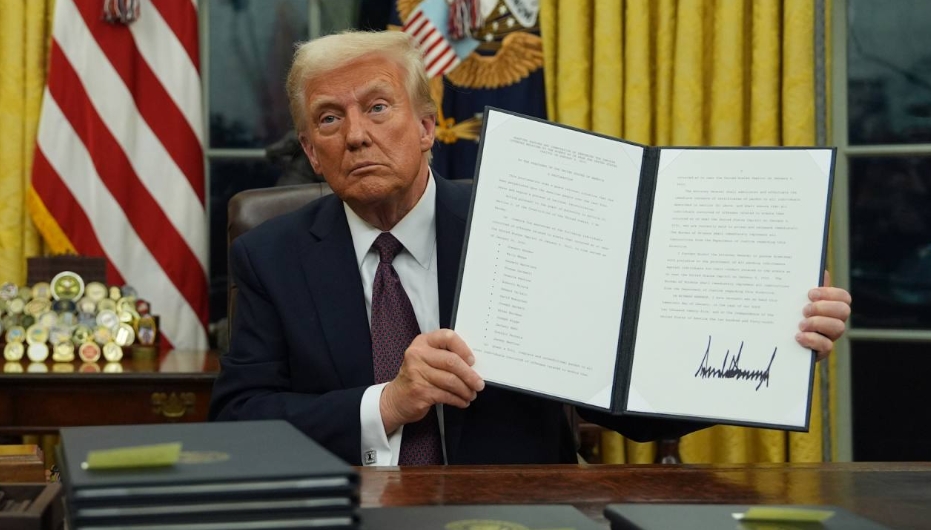

In his second term, President Donald Trump has used the presidential pardon power extensively, issuing more than 1,600 pardons through early 2026, including a blanket pardon for nearly 1,500 people involved in the January 6, 2021 Capitol attack. This includes commutations of sentences for well-known right-wing leaders like Enrique Tarrio and Stewart Rhodes, as well as separate pardons for the wealthy in finance and cryptocurrency. Experts say this pattern is a departure from past rules, whereby pardons have become a way to reward loyalty and political favors.
Enshrined in Article II of the Constitution and championed by Alexander Hamilton, pardons pardon federal crimes and restore rights, while commutations reduce sentences without erasing convictions. It does not include impeachment cases and state crimes, which give the President too much power.
Traditionally, the Office of the Pardon Attorney at the Department of Justice (DOJ), with FBI input, examined applications before White House review. Margaret Love, who advocated for pardons during the Bush Sr. and Clinton years, said the system’s structure was weakened by a series of controversial pardons in Clinton’s final days, including pardoning financier Marc Rich amid a donations scandal.
Trump’s process is highly centralized, with decisions made by White House chief of staff Suzy Wills and aides like lawyer David Warrington. In February 2025, he appointed Alice Marie Johnson—whose sentence he had commuted in 2018—as clemency advisor. The DOJ’s role diminished after Liz Oyer was fired in March 2025 for not giving back Mel Gibson’s gun rights; He was replaced by Ed Martin, a Trump loyalist who posted “No MAGA Left Behind” after the sheriff’s pardon.
Well-known cases include the pardon of Binance founder Changpeng Zhao in October 2025 amid Binance’s ties to the Trump family’s crypto venture world Liberty Financial. In January 2026, Trump pardoned banker Julio Herrera Velutini, whose daughter had donated $3.5 million to a pro-Trump super PAC. Critics, including Representative Maxine Waters, decry “pay-to-play” dynamics that sideline ordinary applicants without connections. Some of the participants pardoned on January 6 have since faced new charges, such as child molestation.

Comments are closed.