
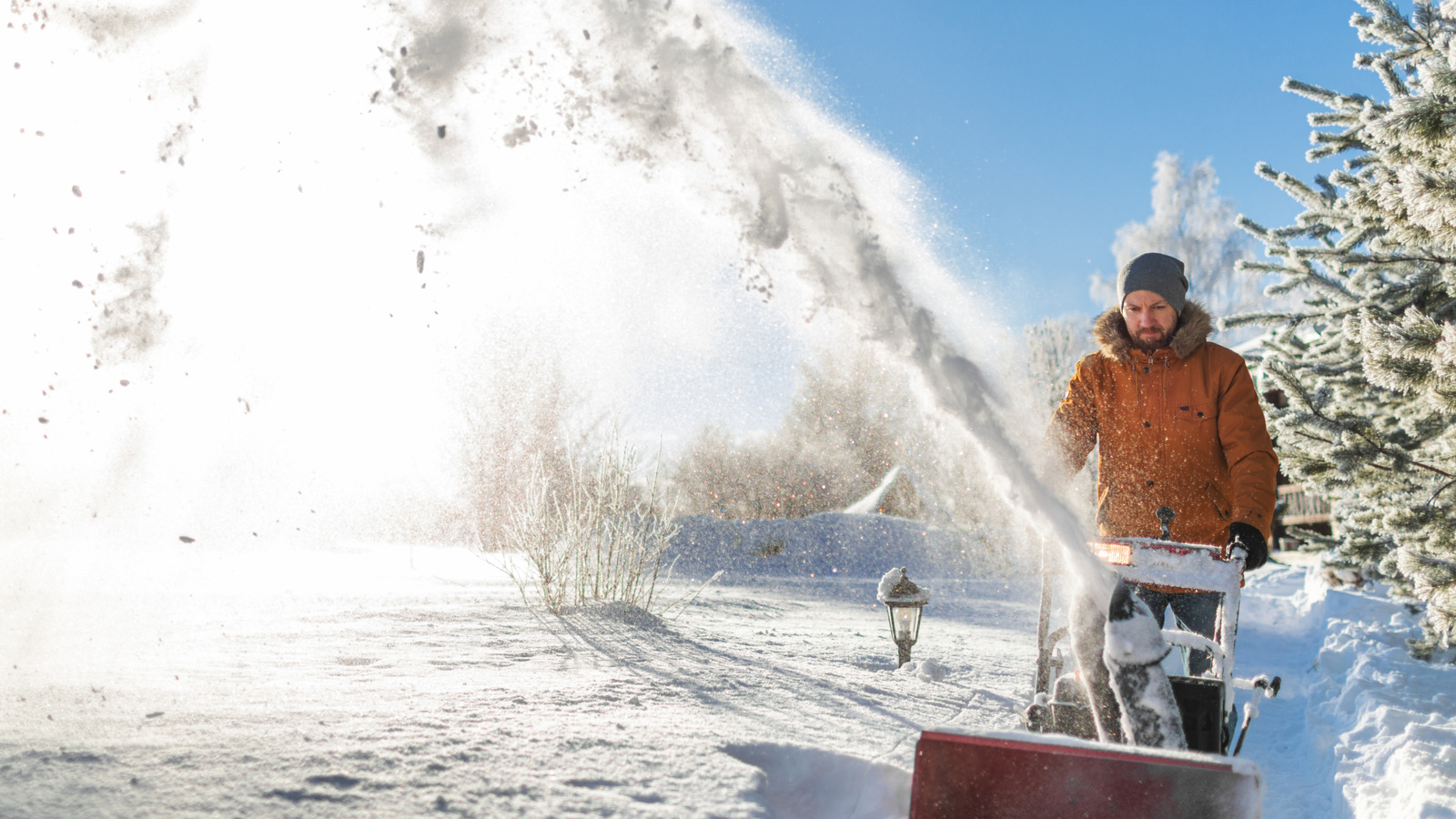

It is very tempting to stay inside with a hot coffee and watch the winter landscape turn white, while you tell yourself that you will just deal with it all once the storm passes. But that’s actually the worst thing you can do. You see, when you wait for the snowfall to stop before handling it, you are basically guaranteeing that your machine will suffer. Sure, even the best snow blower brands are engineered to handle continuous accumulation. But they generally aren’t built to tackle massive, dense drifts that have been sitting for hours.
Continuous accumulation happens when you leave the snow to pile up for long enough. Specifically, past the six-inch mark, gravity and temperature changes start to do some nasty work together. They start to compress the bottom layer. And if the temperature fluctuates even a little, that layer turns into a heavy, slushy mess. This increases drag, which forces your engine to work twice as hard to move the same amount of water content. You can hear the difference, too: the motor bogs down, the RPMs drop, and the machine starts heating up quickly.
Moreover, because the engine is struggling, it can’t generate the torque needed to launch the stuff properly. So instead of a nice, high arc that lands clear of your driveway, you get a dribble that lands just a few feet away. This then means you end up having to blow the exact same snow a second time, which doubles the wear on your belts and impeller. You’re also risking major damage to the auger mechanism of auger-propelled snow blowers. So, do yourself a favor and get out there every time two to four inches accumulate.
How to manage blockages without risking injury
If you are trying to push through that heavy, wet sludge we just talked about, you are going to run into common problems with snow blowers – like a jammed chute. This usually happens because the wet snow is sticky, or simply because you are too slow with the machine. You need to keep moving it forward at a decent speed to keep the flow dynamic. Also, when that discharge chute packs tight, the satisfying whoosh of exiting snow vanishes immediately. You might hear the engine roaring still, but the throwing simply stops.
That’s exactly where people make a very bad decision. Even after killing the engine, it isn’t safe to just reach in and scoop out the blockage. The impeller often holds residual tension — like a loaded spring — against the packed snow. And as soon as you dislodge the clog, that tension releases, and the blades can snap forward with a lot of force – enough to cause serious damage. This is actually a lot more common than you think. In fact, in 2021, roughly 4,200 people in the US ended up in the ER with snowblower injuries.
The easiest way to avoid facing the same fate is by never, ever putting your hands inside the chute. Instead, shut everything down when you get a clog and wait ten seconds for all moving parts to fully stop. Then, use a broom handle or the clean-out tool, which usually comes clipped to the housing. Of course, prevention is better than a cure. To prevent the problem from happening in the first place, try spraying the inside of the chute with a non-stick spray or even common cooking spray. That keeps the slush sliding out instead of bonding to the metal.

Comments are closed.