
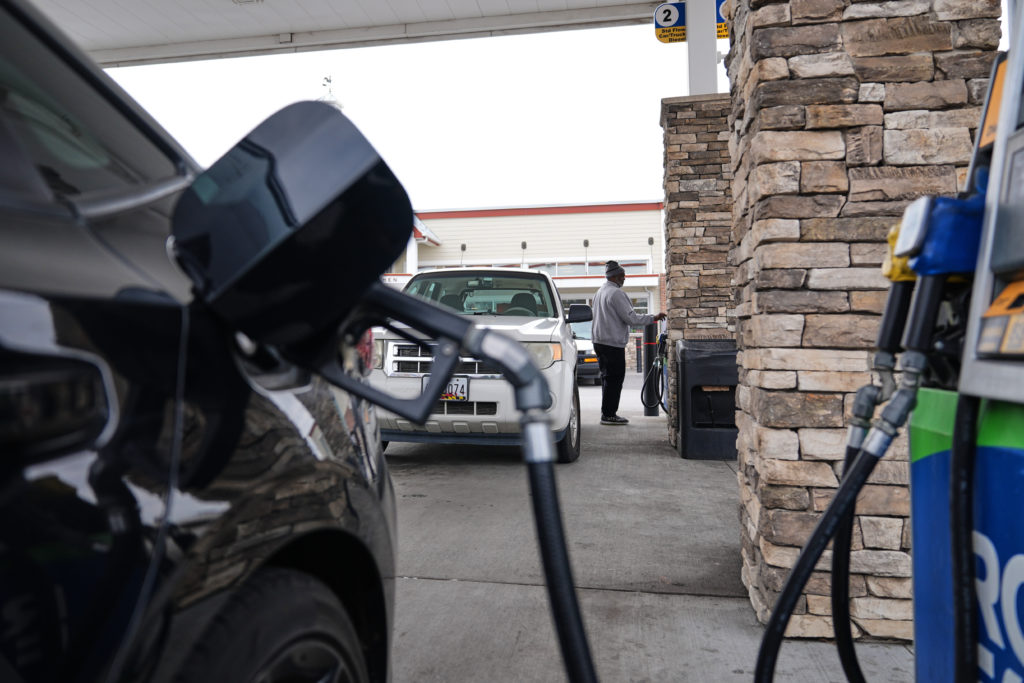

In a move aimed at easing fuel costs, U.S. regulators have approved the nationwide sale of E15 gasoline, a blend containing 15% ethanol. Officials say the decision is meant to strengthen the domestic fuel supply and provide relief to drivers facing volatile fuel prices.
But while E15 may save money at the pump, it also raises fresh concerns about fuel efficiency, emissions, and compatibility with older engines.
E15 is essentially a higher-ethanol version of standard gasoline. Most fuel sold today is E10, which contains 10% ethanol. E15 increases the blend to 15%, making it slightly cheaper but also less energy-dense. As a result, vehicles running on E15 may experience a modest drop in fuel economy.
Why the Waiver Was Introduced
Typically, E15 sales are restricted during summer months because ethanol evaporates faster than gasoline. That evaporation contributes to smog formation, particularly in warmer weather.
However, regulators have temporarily lifted those restrictions, citing energy supply concerns and rising fuel prices. The waiver, effective from early May through late May, is intended as a short-term measure to stabilize markets and prevent price spikes.
This isn’t the first time such a waiver has been issued. Similar moves were made during previous fuel supply disruptions, signaling a growing reliance on ethanol blends as a cost-control tool.
What It Means for Drivers
For most drivers, the change may go largely unnoticed except for slightly lower prices. E15 is often marketed as “Unleaded 88,” referring to its octane rating rather than ethanol content. That labeling can sometimes confuse consumers who are unaware they’re choosing a higher ethanol blend.
Most vehicles manufactured after 2001 are considered compatible with E15, thanks to updated fuel systems and sensors designed to handle higher ethanol content. But older vehicles and small engines such as lawnmowers, boats, and chainsaws may face problems.
Ethanol can absorb moisture and degrade rubber seals and fuel lines, especially in older equipment. That makes careful fuel selection more important for owners of aging vehicles or machinery.
Lower Cost, Lower Efficiency
While ethanol helps reduce fuel prices, it also contains less energy than gasoline. Experts estimate that switching from E10 to E15 could reduce fuel economy by roughly 1.5% to 2%. In demanding driving conditions, that drop may be slightly higher.
For everyday commuters, that difference may be minimal. But for drivers towing heavy loads or operating performance vehicles, the impact could become more noticeable.
A Balancing Act Between Price and Pollution
Supporters argue that ethanol blends help reduce fuel costs and decrease dependence on imported oil. Critics, however, point to the increased smog risk and potential mechanical issues for older vehicles.
For now, the nationwide E15 rollout highlights a familiar trade-off: cheaper fuel today versus environmental and efficiency concerns tomorrow.
As drivers begin to see more “Unleaded 88” pumps, understanding what’s going into the tank may matter more than ever.

Comments are closed.