
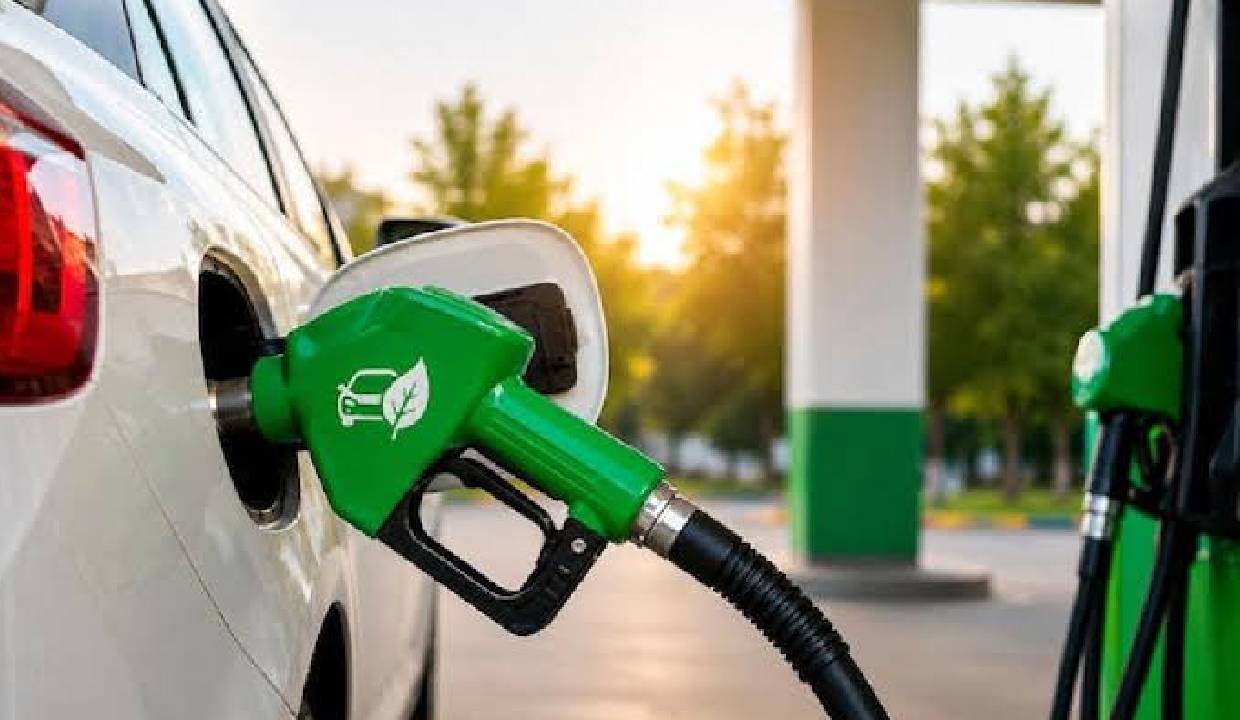
E20, E25, E85 Explained: Government Clarifies Ethanol Fuel Rollout Amid Mileage and Engine Concerns

The Centre has clarified that E25 petrol, a proposed fuel containing 25% ethanol, is still under evaluation and has not been approved for nationwide rollout.
Union Petroleum and Natural Gas Minister Hardeep Singh Puri said any decision to introduce E25 will only be taken after extensive testing and consultations with automobile manufacturers and other stakeholders.
The clarification comes as motorists continue to raise concerns over E20 petrol, India’s current standard fuel blend, with many questioning its impact on fuel efficiency, maintenance costs and vehicle performance.
Government says E25 is only under testing
Addressing the issue in New Delhi, Puri said the government has not made any decision to replace E20 with E25.
According to the minister, ongoing technical evaluations must be completed before any move towards a higher ethanol blend is considered.
What is E20 petrol?
E20 petrol contains:
Similarly:
- E10: 10% ethanol, 90% petrol
- E25: 25% ethanol, 75% petrol
- E85: 85% ethanol, 15% petrol
- E100: Nearly 100% ethanol
Ethanol is a renewable biofuel produced primarily from sugarcane, corn and other agricultural crops.
India’s ethanol blending programme
India achieved its 20% ethanol blending target (E20) by the end of 2025, five years ahead of the government’s original deadline.
The programme expanded rapidly from 1.5% blending in 2014 to nationwide E20 availability at fuel stations from April 2026.
The government says the initiative aims to:
- Reduce crude oil imports
- Improve energy security
- Support farmers by creating demand for crops
- Cut greenhouse gas emissions
Does E20 reduce mileage?
One of the biggest concerns among vehicle owners is reduced fuel efficiency.
Experts explain that ethanol contains slightly less energy than petrol, meaning vehicles may deliver slightly fewer kilometres per litre.
According to government-backed studies, the reduction in mileage remains limited for E20-compatible vehicles. However, some motorists have reported higher fuel consumption under real-world driving conditions.
Can E20 damage engines?
The government maintains that E20 does not damage vehicles designed for the fuel.
Automotive testing agencies and manufacturers have certified E20-compatible engines after extensive trials.
Older vehicles that were not designed for higher ethanol blends may require confirmation from manufacturers before regular use.
How to check if your vehicle supports E20
Vehicle owners can verify compatibility by:
- Checking the sticker near the fuel tank cap
- Reading the owner’s manual
- Contacting an authorised dealership using the vehicle’s chassis or registration number
As per government norms, all cars manufactured in India after April 1, 2023, are required to be E20 compatible.
Can you still buy pure petrol?
No.
At present, ethanol-free petrol is not available for retail sale across India, making E20 the standard petrol grade nationwide.
Which vehicles can use E85 or E100?
Only flex-fuel vehicles (FFVs) are designed to run on higher ethanol blends such as E85 and E100.
India currently has limited FFV models, though several automobile manufacturers are expected to expand their flex-fuel lineup in the coming years.
Benefits of ethanol-blended fuel
The Centre says ethanol blending has delivered several economic and environmental benefits, including:
- Lower dependence on imported crude oil
- Reduced carbon emissions
- Higher income opportunities for farmers
- Savings in foreign exchange
- Improved combustion due to ethanol’s higher octane rating
Government data states that the programme has saved over ₹1.90 lakh crore in foreign exchange, generated more than ₹1.6 lakh crore in additional farmer income, and reduced approximately 930 lakh metric tonnes of carbon dioxide emissions since 2014.
Why are some experts concerned?
Despite its advantages, experts have highlighted several challenges associated with higher ethanol blending.
These include:
- Slight reduction in fuel efficiency
- Increased water usage for ethanol production
- Greater demand for crops such as sugarcane and maize
- Possible increase in certain vehicle emissions
- Debate over using food crops for fuel production
Environmental researchers have also called for stricter emission standards as ethanol blending levels increase.
Government maintains cautious approach on E25
While India has successfully transitioned to E20 petrol, the government has indicated that no decision has been taken on introducing E25.
Officials say future policy will depend on technical studies, industry consultations and vehicle compatibility before any nationwide rollout is considered.
Comments are closed.