
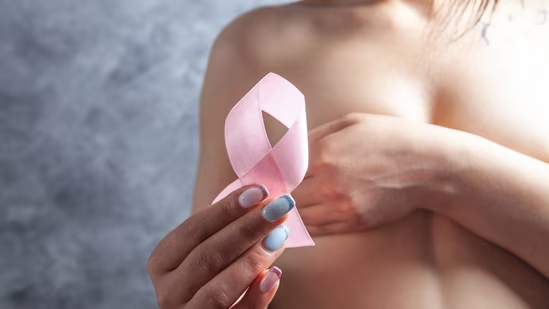
Early Breast Cancer: 4 Important Things Every Woman Should Know About Treatment, Recovery and Recurrence Risk

An early breast cancer diagnosis can be both reassuring and overwhelming. On one hand, detecting the disease at an early stage significantly improves treatment outcomes. On the other, many women are left with questions about recurrence, treatment duration, side effects, and life after cancer.
Medical experts emphasize that treating breast cancer is not just about eliminating the disease. The focus is also on reducing the risk of recurrence, protecting long-term health, and helping patients maintain a good quality of life for years to come.
Early Detection Does Not Always Mean Low Risk
Many people assume that early-stage breast cancer automatically means a low chance of the disease returning. However, experts caution that recurrence risk can vary widely depending on the biological characteristics of the tumor.
While early breast cancer is typically confined to the breast or nearby lymph nodes and has not spread to distant organs, some tumors are naturally more aggressive than others. This is one reason doctors often recommend additional therapies after surgery or initial treatment.
These recommendations are designed to reduce future recurrence risk and improve long-term outcomes rather than indicate that the condition is worsening.
Modern Treatments Are Improving Long-Term Outcomes
Advances in breast cancer treatment have transformed patient care over the past decade.
Today, treatment plans may include:
- Hormone therapy
- Targeted therapies
- Precision medicine approaches
- Advanced radiation techniques
- Personalized treatment strategies
These therapies not only help reduce the likelihood of cancer returning but also focus on preserving overall health and quality of life.
Experts encourage patients to actively discuss all available treatment options with their healthcare providers and understand how each therapy may benefit their specific type of breast cancer.
Follow-Ups and Ongoing Treatment Matter
One of the biggest misconceptions among patients is that their cancer journey ends after surgery, chemotherapy, or radiation treatment.
Doctors stress that long-term therapies and routine follow-up appointments remain critical parts of breast cancer care.
Regular monitoring helps:
- Track recovery progress
- Manage treatment-related side effects
- Detect potential issues early
- Reduce recurrence risk
- Support overall health
Skipping follow-up appointments or stopping prescribed medications prematurely can impact long-term outcomes.
Life After Cancer Is Just as Important
Recovery from breast cancer extends beyond physical healing.
Many women face emotional and psychological challenges after treatment, including:
- Fear of recurrence
- Anxiety and stress
- Changes in relationships
- Workplace adjustments
- Concerns about future goals
Healthcare providers increasingly recognize the importance of addressing these aspects of recovery. Emotional support, counseling, lifestyle guidance, and survivorship programs can play an important role in helping patients rebuild confidence and return to a fulfilling life.
Building a Long-Term Partnership With Your Care Team
Experts emphasize that successful breast cancer treatment is often a long-term partnership between patients and their medical team.
Patients are encouraged to:
- Ask questions about treatment options
- Discuss side effects openly
- Follow prescribed therapies consistently
- Attend regular check-ups
- Prioritize physical and emotional well-being
Taking an active role in care decisions can help women feel more informed and empowered throughout their recovery journey.
The Bottom Line
Early breast cancer is one of the most treatable forms of cancer, and advances in medicine continue to improve survival rates and quality of life. However, successful treatment involves more than just addressing the disease itself.
Understanding recurrence risk, staying committed to follow-up care, exploring modern treatment options, and focusing on emotional well-being are all essential parts of long-term recovery.
With proper medical care, awareness, and ongoing support, many women diagnosed with early breast cancer can look forward to healthy, active, and fulfilling lives well beyond their initial treatment.
Disclaimer: This article is for informational purposes only and should not be considered medical advice. Always consult a qualified healthcare professional regarding any medical condition, diagnosis, or treatment plan.

Comments are closed.