
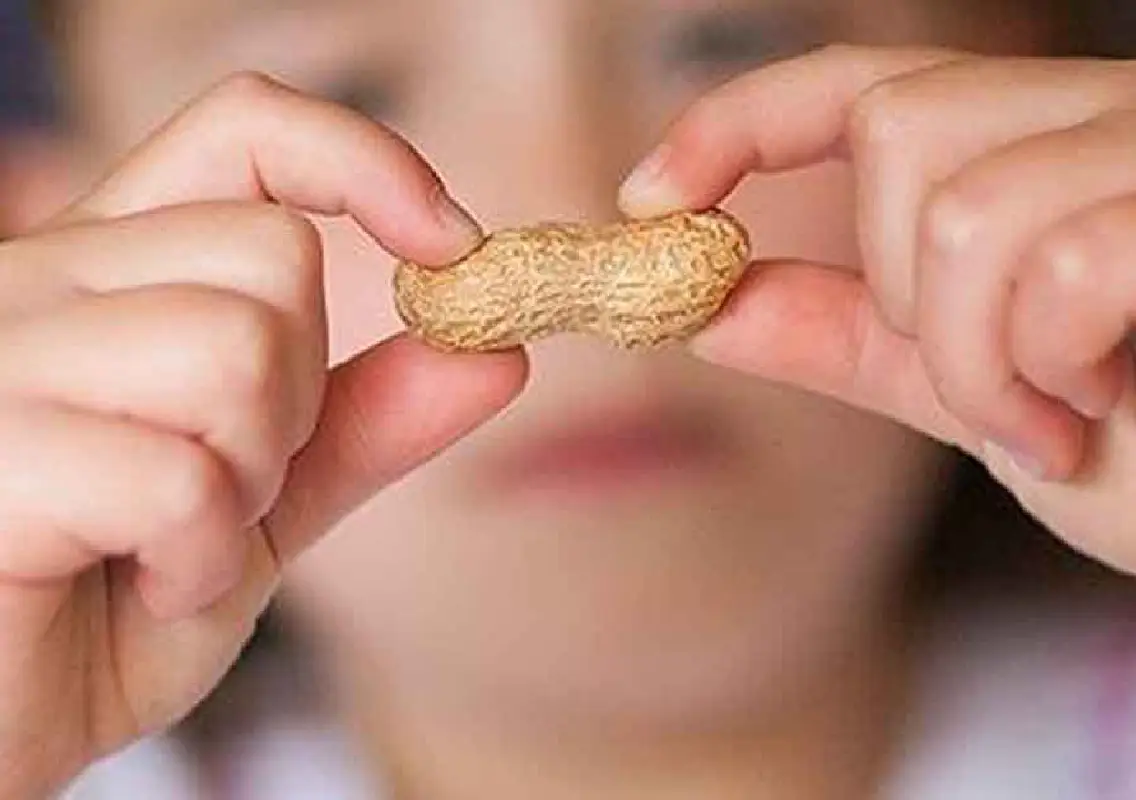

Introducing peanuts into an infant’s diet during the first year of life may significantly reduce the risk of peanut allergy, particularly among younger siblings of children who regularly consume peanuts, according to new research presented at the American Academy of Allergy, Asthma and Immunology (AAAAI) 2026 meeting.
Researchers found that younger siblings living in households where peanuts are frequently consumed may face a higher risk of peanut sensitisation and allergy, especially if peanuts are not introduced into their own diets during infancy.
Higher allergy risk in younger siblings
The study, led by Dr Michelle Huffaker on behalf of the Immune Tolerance Network and the LEAP Study Team, examined data from the LEAP (Learning Early About Peanut Allergy) Trials.
The analysis revealed that children who were exposed to peanuts in the household environment but did not consume peanuts during their first year were significantly more likely to develop peanut sensitisation and allergy.
This risk was even greater among younger siblings who also had eczema, a skin condition known to increase the likelihood of allergic reactions.
Skin exposure may trigger allergies
Researchers explained that environmental exposure to peanuts—such as through skin contact or household dust—may contribute to allergy development.
“These findings support the concept that peanut allergy can develop through exposure to peanut via the skin,” Dr Huffaker said.
However, the study also showed that introducing peanuts early in a child’s diet can help prevent this risk.
Early introduction shows protective effect
Using advanced statistical modelling, researchers found that peanut sensitization and allergy risks dropped significantly when infants consumed peanuts during their first year of life.
The protective effect remained strong even when factors such as eczema and household peanut consumption were considered.
The research supports the “dual-allergen exposure hypothesis”, which suggests that allergies may develop through environmental exposure while tolerance develops through oral consumption.
Implications for child health
Experts say the findings could help guide strategies for preventing food allergies in children, particularly in families where older siblings already consume peanuts.
The study highlights how understanding the relationship between environmental exposure, eczema, and early dietary introduction may improve outcomes for children at risk of peanut allergies.
Researchers believe that early dietary introduction, under appropriate medical guidance, could become an important step in reducing the growing burden of food allergies worldwide.

Comments are closed.