
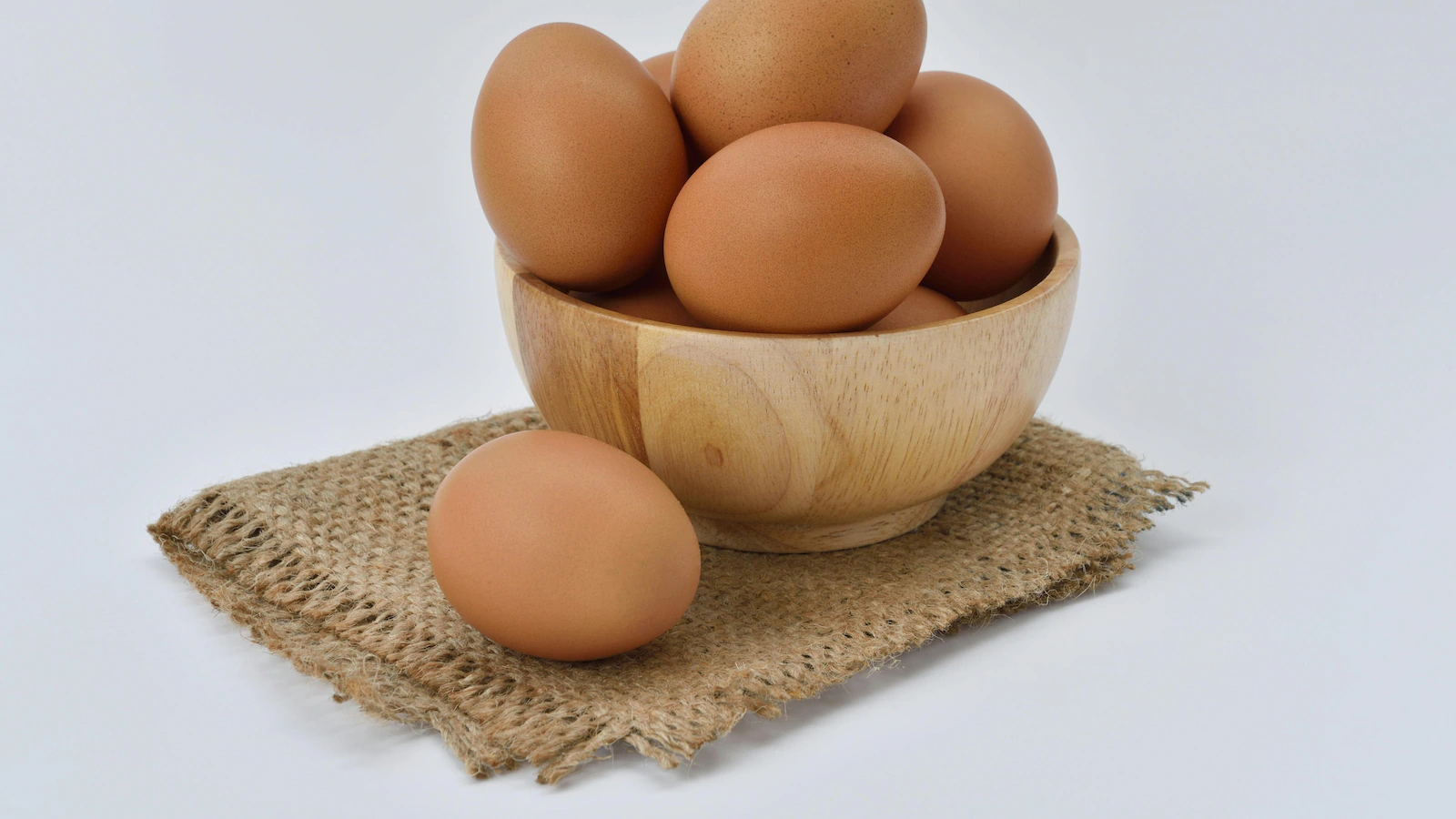

Eggs are one of the most nutritious and versatile foods that can easily be included in everyday meals. From simple boiled eggs at breakfast to rich curries and baked dishes, they fit into almost every type of cuisine. They are packed with high-quality protein and essential nutrients such as vitamins A, D, and B12, along with minerals like selenium and zinc. Eating eggs regularly may support muscle growth, improve fullness, and even help with weight management. However, despite these benefits, eating too many eggs is not always a good idea. Like any food, excess intake can lead to digestive discomfort and other health concerns. Understanding the right quantity and choosing healthier cooking methods can help you enjoy eggs without unwanted side effects.
Why Eating Too Many Eggs Can Affect Your Digestion
Eggs are naturally high in protein, and eating them in large amounts may put extra pressure on the digestive system. When your body processes too much protein without enough fiber from fruits, vegetables, and whole grains, it can lead to issues like bloating, gas, acidity, and a heavy feeling after meals.
Some people may also have a mild sensitivity or allergy to eggs. This can cause symptoms such as nausea, stomach pain, or discomfort. If you notice these problems often after eating eggs, it may help to reduce your intake or seek medical advice.
Also Read: 15-Minute Protein-Rich Egg Poha Recipe For A Healthy Breakfast
Photo Credit: AI-Generated Image
Other Problems Linked To Eating Too Many Eggs
- Overeating eggs may cause bloating and stomach discomfort, especially in people with sensitive digestion.
- Some individuals may experience allergic reactions such as nausea or mild skin irritation.
- Relying too much on eggs for protein can reduce the variety of nutrients in your diet.
- People with high cholesterol or heart conditions may need to limit their intake.
- Cooking eggs with large amounts of butter, cheese, or processed meats can increase the saturated fat content of your meals.
How Many Eggs Are Safe To Eat In A Day
What Experts Recommend
The ideal number of eggs depends on factors such as age, lifestyle, medical history, and overall diet. According to nutritionist consultant Rupali Datta, healthy adults can safely include one egg a day around three to four times a week as part of a balanced diet.
Children can usually have one egg daily, as it provides protein and nutrients that support healthy growth and development. She also advises that people with high cholesterol or heart-related issues should be more careful. In such cases, limiting intake to about three eggs a week may be a sensible choice, based on individual health and medical advice.
A balanced diet with a mix of protein sources, fruits, vegetables, and whole grains remains key to overall well-being.
Also Read: The Spicy Turkish Eggs Recipe You Need To Make This Summer

Choose Healthier Ways To Cook Eggs
The way you cook eggs also makes a difference. Using too much butter, cream, or cheese can make them heavy and harder to digest. Instead, boiling, poaching, or lightly scrambling eggs with minimal oil keeps them lighter and healthier.
The Right Way To Eat Eggs
For a healthier approach, choose simple cooking methods and pair eggs with vegetables or whole grains. This not only supports better digestion but also creates a more balanced and satisfying meal.
Eggs are a nourishing and valuable part of a healthy diet. However, moderation and the right cooking methods are key. By balancing your intake and following expert advice, you can enjoy their benefits while avoiding the downsides of overconsumption.
Disclaimer: This content including advice provides generic information only. It is in no way a substitute for qualified medical opinion. Always consult a specialist or your own doctor for more information. NDTV does not claim responsibility for this information.

Comments are closed.