
Europe, Japan to Join Efforts to Guard Vessels through Strait of Hormuz, Iran Planning to Impose Transit Fees

Rohit Kumar
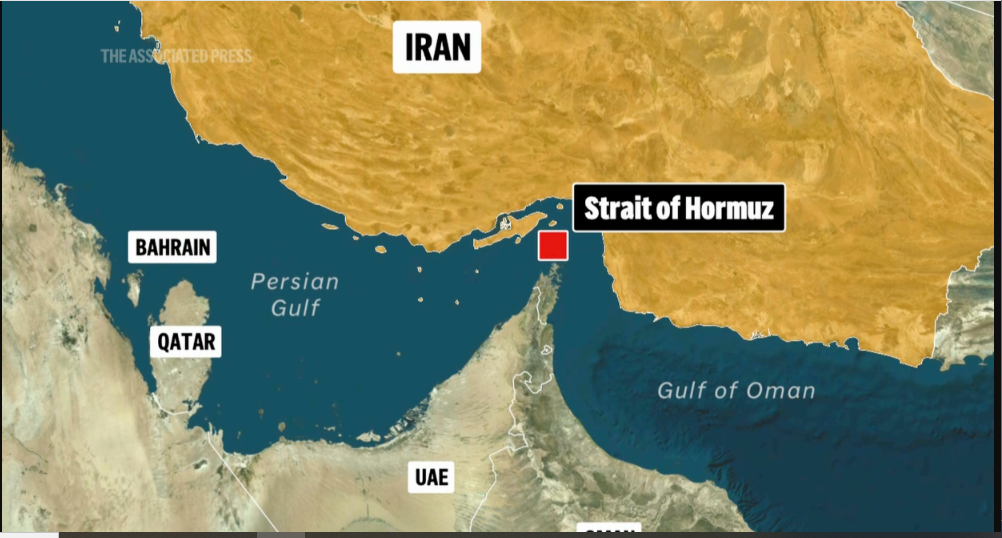
NEW DELHI, Mar 19: As some leading European nations and Japan agreed to join “appropriate efforts” to ensure safe passage for vessels through the Strait of Hormuz amid the West Asia war, Iran is learned to be considering imposing transit fees on vessels passing through the Strait in an attempt to monetize its growing control over the crucial route that carries about one fifth of the world’s oil and liquefied gas.
Since the start of the US-Israeli conflict with Iran, Tehran has disrupted maritime traffic through the strait for ships it claims are linked to its adversaries and their allies. According to the Iranian media reports, parliament is examining a proposal that would require countries using the strait for shipping, energy transit and food supplies to pay tolls and taxes to Iran.
In a joint statement on Thursday evening, leading European nations and Japan agreed to join “appropriate efforts” to ensure safe passage through the Strait of Hormuz and said they would take steps to stabilize energy markets.
Britain, France, Germany, Italy, the Netherlands and Japan condemned the attacks by Iran in the statement and urged it to halt its actions immediately. “We call on Iran to cease immediately its threats, laying of mines, drone and missile attacks and other attempts to block the Strait to commercial shipping,” the leaders said in a joint statement issued by UK Prime Minister Keir Starmer’s office.
“Such interference with international shipping and the disruption of global energy supply chains constitute a threat to international peace and security,” they said. As crude prices surged past $100 per barrel, the US President Donald Trump had urged allies and trading partners to deploy naval forces to secure and reopen the route, aiming to stabilize global oil prices.
An adviser to Iran’s supreme leader said a “new regime” for the strait would emerge after the war, enabling Tehran to impose maritime restrictions on countries that have sanctioned it. Mohammad Mokhber said Iran could use the strategic importance of the waterway to counter Western sanctions and restrict the passage of their vessels.
Around 90 vessels, including oil tankers, have crossed the Strait of Hormuz since the start of the conflict involving Iran, even as the waterway remains effectively shut. Maritime and trade data platforms indicate that Iran continues to export millions of barrels of oil despite the disruption. Many of these crossings were “dark” transits, carried out to evade Western sanctions and monitoring, with several vessels believed to have links to Iran.
More recently, ships linked to India and Pakistan have also managed to pass through the strait as diplomatic efforts intensified. Shipping traffic through the Strait of Hormuz, a key corridor that carries about one-fifth of the world’s crude oil, has largely been halted since early March following the outbreak of war. Around 20 vessels have reportedly been attacked in the region.
Despite this, Iran has exported more than 16 million barrels of oil since the beginning of March. Due to Western sanctions and associated risks, China has emerged as the primary buyer of Iranian oil.

Comments are closed.