

Dr. Ngo Quang Hai, former deputy director of the Center for High Technology at the Central Acupuncture Hospital in Hanoi, warned that air pollution directly harms the lungs and can lead to infections, asthma exacerbations and even increase cancer risk. Alongside external measures such as wearing masks and keeping living spaces clean, he stressed that nutrition acts as an important internal shield to support lung function.
Traditional medicine highlights pears and kumquats as especially good for the lungs. Pears, often eaten fresh or steamed with rock sugar or honey, are cooling and moistening, and can help ease coughs and loosen phlegm. Kumquat syrup made with rock sugar is recommended for children, older adults and people with asthma, as it is believed to clear heat, detoxify and soothe respiratory inflammation.
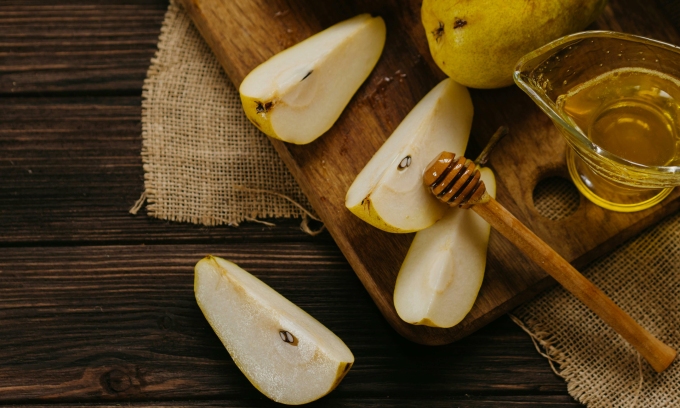
Sliced pears and honey. Illustration photo by Pexels |
Root vegetables such as carrots and kohlrabi also support lung health. Carrots supply beta-carotene, vitamin C and antioxidants like lycopene, which may protect lung tissue and lower cancer risk. Kohlrabi is cooling and is traditionally used for symptoms such as yellow phlegm, sore throat and sinus irritation. Wood ear mushrooms, valued for detoxifying and blood-nourishing properties, are another recommended daily ingredient to help relieve dry throat and support respiratory health.
Honey is cited as a natural remedy with antibacterial and anti-inflammatory effects that may promote recovery of lung tissue. Specialists suggest pairing honey with traditional herbs such as lily bulb, mulberry leaf, white fungus or dandelion to enhance heat-clearing, detoxification and relief for dry coughs and allergic symptoms. Some studies also indicate honey can help prevent respiratory infections better than certain over-the-counter cough remedies.
Beyond diet, experts recommend simple respiratory exercises. Diaphragmatic breathing helps expand the lungs and raise blood oxygen levels: sit comfortably, place one hand on your chest and the other on your belly, inhale through the nose so the belly rises, then exhale slowly through the mouth. Controlled coughing: sitting upright, inhaling deeply and coughing lightly two to three times while leaning forward can help expel excess mucus.
On high-pollution days, steam inhalation with hot water and a few drops of peppermint or eucalyptus oil can open airways and thin mucus. At home, an air purifier with a HEPA filter will remove fine dust, pollen, smoke and other allergens, creating a cleaner environment that aids respiratory recovery.

Comments are closed.