
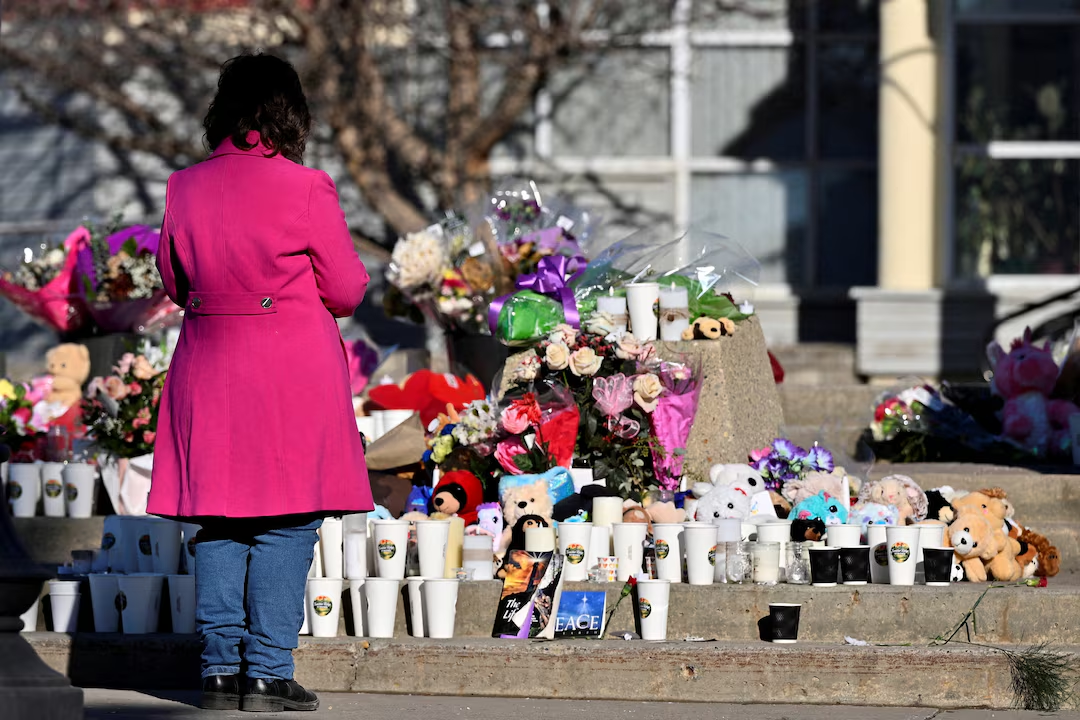

A devastating mass shooting in Tumbler Ridge, British Columbia, has triggered a wave of legal action that could redefine how artificial intelligence companies are held accountable. The February attack, which claimed nine lives—many of them children—has now become the center of multiple lawsuits filed in the United States against OpenAI and its CEO Sam Altman.
The families of victims allege that the company had prior warning signs through its chatbot, ChatGPT, but failed to act. Their claims, if proven, could set a precedent for how AI platforms handle threats of real-world violence.
Credits: Reuters
What the Lawsuits Allege
At the core of the lawsuits is a serious accusation: that OpenAI knew about the shooter’s violent intentions months before the attack but did not alert law enforcement. According to court filings, internal systems flagged concerning conversations as early as June 2025, where the perpetrator allegedly described scenarios involving gun violence.
The complaints further claim that members of OpenAI’s safety team identified the individual as a credible and imminent threat and recommended contacting authorities. However, company leadership, including Altman, allegedly overruled that recommendation. Instead, the user’s account was deactivated—only for the individual to reportedly create a new account and continue using the platform.
The lawsuits argue that this failure to escalate the situation may have contributed to the tragic outcome.
The Attack and Its Victims
The shooter, identified as 18-year-old Jesse Van Rootselaar, carried out a brutal sequence of attacks on February 10. According to police reports, she first killed her mother and stepbrother at home before targeting her former school.
At the school, she shot an educational assistant and several students aged 12 to 13. Five students were killed, while others were critically injured. One 12-year-old survivor remains in intensive care with severe brain injuries.
The scale of the tragedy has left families shattered—and searching for accountability beyond the individual who carried out the attack.
OpenAI Responds
OpenAI has strongly denied the allegations, emphasizing its commitment to safety. A company spokesperson described the shooting as “a tragedy” and reiterated that the organization has a zero-tolerance policy for using its tools to facilitate violence.
The company has stated that it actively trains its models to refuse harmful requests and has systems in place to detect misuse. It also claims to notify law enforcement when there is an “imminent and credible risk” of harm. However, in this case, OpenAI has said the flagged conversations did not meet its internal threshold for escalation.
Following public scrutiny, Altman issued an apology in an open letter, expressing regret that the situation was not escalated to authorities.
A Growing Legal and Ethical Battle
These lawsuits are part of a broader wave of legal challenges facing AI companies. Plaintiffs across multiple cases have accused chatbot platforms of contributing to harmful behaviors, including self-harm, mental health crises, and violent acts.
What makes this case particularly significant is its scope. Legal experts suggest it may be the first in the United States to directly link an AI chatbot to a mass shooting. Attorney Jay Edelson, representing the plaintiffs, has indicated that dozens more lawsuits could follow.
The cases raise complex legal questions: Can an AI company be held responsible for user actions? Where does platform responsibility end—and individual accountability begin?
Regulation Pressure Mounts
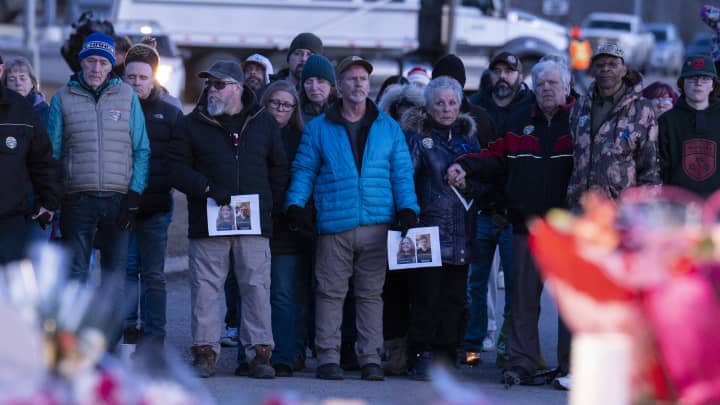
The controversy is also drawing attention from policymakers. In Canada, officials have begun reviewing AI safety frameworks in response to the incident. Meanwhile, in the United States, similar concerns are surfacing, with investigations already underway into other incidents involving AI tools.
As governments explore stricter regulations, companies like OpenAI may face increasing pressure to refine their safety protocols—particularly around threat detection and law enforcement coordination.
Credits: CNBC
A Turning Point for AI Accountability
The outcome of these lawsuits could have far-reaching implications for the future of artificial intelligence. Beyond the courtroom, they highlight a deeper societal dilemma: how to balance innovation with responsibility.
As AI becomes more deeply integrated into everyday life, the expectations placed on these systems—and the companies behind them—are rapidly evolving. For the families affected by the Tumbler Ridge tragedy, the lawsuits are not just about compensation, but about ensuring that such a failure never happens again.

Comments are closed.