
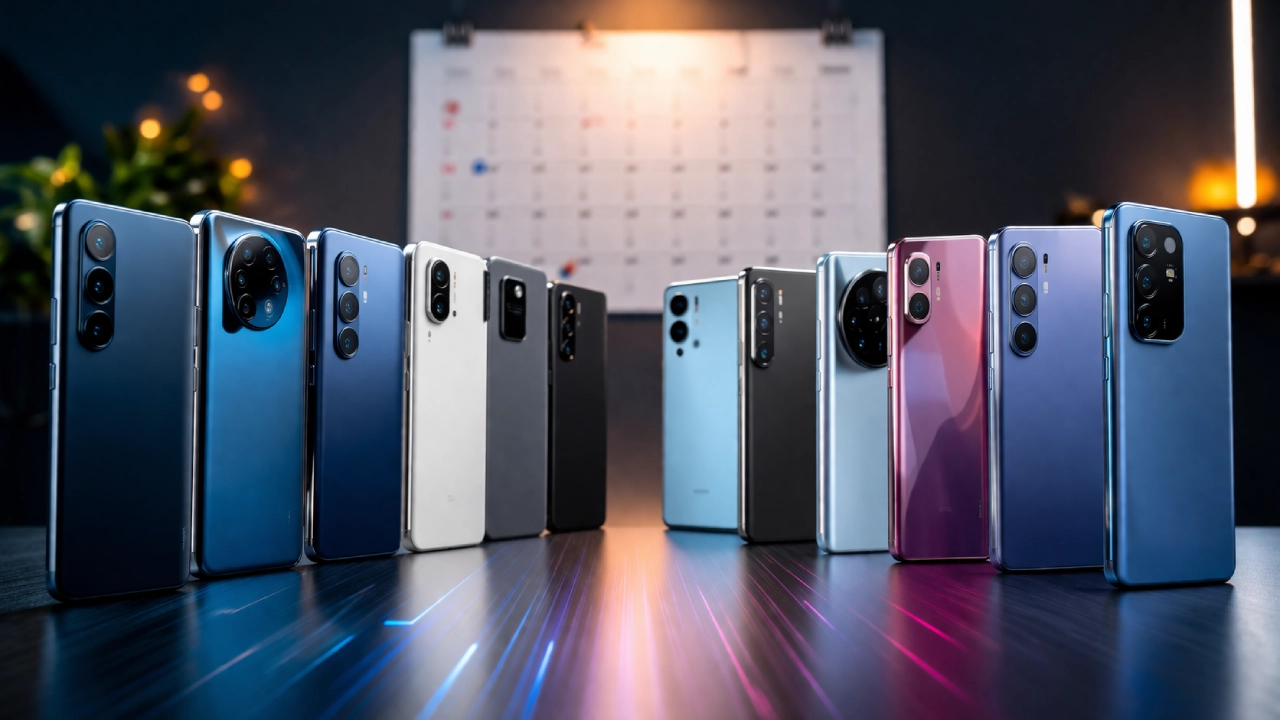

If you cover smartphones every year, you start noticing patterns. January is usually slow. February wakes things up. February smartphone launches: One big brand launches a flagship. Another brand teases something. Then the market slowly builds from there. This year doesn’t feel like that. This February feels packed. Almost rushed.
Every few days, there’s a new launch date, a new teaser, and a new “big upgrade” claim. It feels like brands are not giving each other space. And when space disappears, competition becomes real.
Let’s talk about why this situation is happening and what it means for pricing, features, and your next upgrade decision.
February smartphone launches 2026: The Launch Calendar Is Getting Tight
Earlier, brands were careful with timing. If one company launched its premium phone in early February, others would wait. They didn’t want to drown in the noise. Media coverage mattered. Clean timing mattered. Now that gap is shrinking.
Phones are launching back-to-back. Sometimes, it happens within the same week. Sometimes just days apart. When that happens, attention gets split. No single phone owns the conversation for long. Before reviews settle, another device enters the discussion. That changes how brands plan everything.
Flagships Are Fighting Directly
In the flagship smartphone segment, things are especially intense. Most flagship phones today use the same processor generation. They use the same kind of high-refresh-rate displays. Similar camera setups with minor changes.
On paper, they look very close. So brands can’t rely solely on hardware anymore. They need to highlight small differences. One focuses heavily on camera tuning. Another talks about longer battery life. Someone pushes for faster charging. Someone else promises more years of software updates.
When launches happen close together, buyers compare everything immediately. Not after months. Not after price drops. Right away. That makes every small detail important.
Mid-Range Is Where the Real Battle Is
If you look closely, the biggest fight is not even in the flagship space. It’s in the mid-range smartphone market. This is where most people actually spend their money. And brands know that.
A few years ago, mid-range phones clearly felt like a step down. The display was fine, not exceptional. The camera was decent, not impressive. Charging was slower. Now that’s changing fast.
In this February cycle, mid-range devices are offering smooth displays, solid processors, good main cameras, and large batteries. Some even look premium from the outside. When one brand offers strong specs at a certain price, competitors are forced to respond quickly.
Nobody wants to look weak when buyers are comparing devices side by side.
Production Is More Stable Now
One practical reason for this crowded February is simple. Supply chains are more stable compared to a few years ago. During global shortages, brands delayed launches because they couldn’t guarantee stock.
Now they seem more confident. If the phone is ready, they launch it. They don’t hold it back just to avoid overlapping with someone else. That naturally leads to tighter schedules.
Brands Want Early-Year Sales
February is an important month for another reason. It gives brands a long runway for sales. If a phone launches early in the year, it has more months to build momentum. Marketing campaigns can run longer. Word of mouth can grow. If a company waits too long, it risks entering a crowded second half of the year.
So instead of spreading launches out, many brands are choosing to fight early. They want to start strong.

Pricing Is Under Pressure
When multiple phones launch close together, pricing becomes very competitive. Let’s say two flagship phones look similar in specs.
If one is priced noticeably higher, buyers question it instantly. Because the comparison is fresh in their minds. That’s why we are seeing strong launch offers. Exchange deals. Bank discounts. Free accessories in some cases.
Even brands that usually stick to firm pricing are becoming more flexible. In the mid-range segment, even a small price difference can shift demand quickly. Competition in February is forcing brands to be careful about how they position their products.
Features Are Being Highlighted More Aggressively
When pricing can’t move too much, brands focus on features. Camera remains the biggest talking point. Every launch talks about better low-light photos, clearer portraits, improved zoom, or smoother video. AI-based editing tools are repeatedly shown in demos.
Displays are another area of focus. Brighter panels. Smoother scrolling. Better durability. Battery life and charging speeds are also getting attention. Faster charging numbers are becoming part of the headline.
When devices launch back-to-back, even small improvements are presented as major selling points. That’s because brands know buyers are comparing them directly.
Software Support Is Finally a Real Selling Point
There was a time when update policies were barely mentioned during launches. Now they are part of the main presentation. People are keeping phones longer. Three or four years is common now. So long-term software updates matter more.
If one phone promises four years of updates and another promises two, that difference stands out. Especially when hardware differences are small. February launches are showing that brands understand this shift.
AI Is Becoming Standard
Artificial intelligence features are now a core part of smartphone marketing. Smart photo editing. Real-time translation. Writing tools. Search improvements. Almost every new phone mentions AI in some way. Because launches are happening close together, brands are trying to show their AI tools as more useful or more powerful.

The truth is, many of these features are still evolving. But strong competition means brands are pushing updates more quickly to improve their products.
Buyers Are Getting More Options
From a buyer’s point of view, this crowded February has clear benefits. More launches at once mean more fresh choices. You don’t have to wait months for another solid option. You can compare several new phones at once.
But it also creates pressure. With so many announcements, it becomes harder to decide. Reviews might still be in progress when the next phone appears.
Some buyers prefer to jump in early and grab launch offers. Others wait for detailed long-term reviews and possible price drops. In tight competition cycles, prices often settle faster. So waiting a few weeks can sometimes be smart.
Even Budget Phones Feel the Impact
Competition at the top affects lower segments too. When mid-range phones become stronger at competitive prices, budget phones can’t stay basic. Brands have to improve entry-level devices as well. Better processors. Cleaner software. Larger batteries.
Otherwise, buyers simply move slightly higher in price and choose a better option. That pressure improves the overall market.
Retailers and Carriers Are Also Pushing
Retail stores and telecom partners like strong early-year launches. More devices mean more campaigns. More offers. More reasons for customers to visit stores or upgrade plans.
Installment options and exchange deals make new phones more accessible. When multiple brands push marketing at the same time, the whole month feels active. It’s not just about product launches. It’s about sales momentum.
What This Means for the Rest of the Year
If February keeps getting this crowded, it could reshape the yearly smartphone cycle. Brands launching early need to keep their phones relevant for a long time. Later launches will need something clearly different to stand out. There’s less room for mistakes now.
A phone that fails to impress in February can quickly disappear from attention because another device replaces it within days. That speed is new.
So, Should You Upgrade?
If your current phone still works well, there’s no urgent need. Prices usually stabilize after the first few weeks. But if you were already planning to upgrade, this competitive February works in your favor.

You get better features at tighter prices. You get more choices without waiting months. Just don’t rush because of hype. Compare calmly. Think about what actually matters to you – camera, battery, updates, or price.
Why This February Feels Different
This month stands out because everything is happening together. Launch dates are closer. Specs are similar. Pricing is aggressive. AI features are everywhere. Software support promises are longer.
Instead of one brand leading the month, many brands are fighting at the same time.
For companies, that means higher pressure. For buyers, it usually means better value. And if this trend continues, February may become the most competitive month in the smartphone calendar – not because of one big release, but because everyone wants to win early.

Comments are closed.