
FIFA World Cup 2026 security row: Uruguay, Senegal, Uzbekistan players subjected to humiliating chec

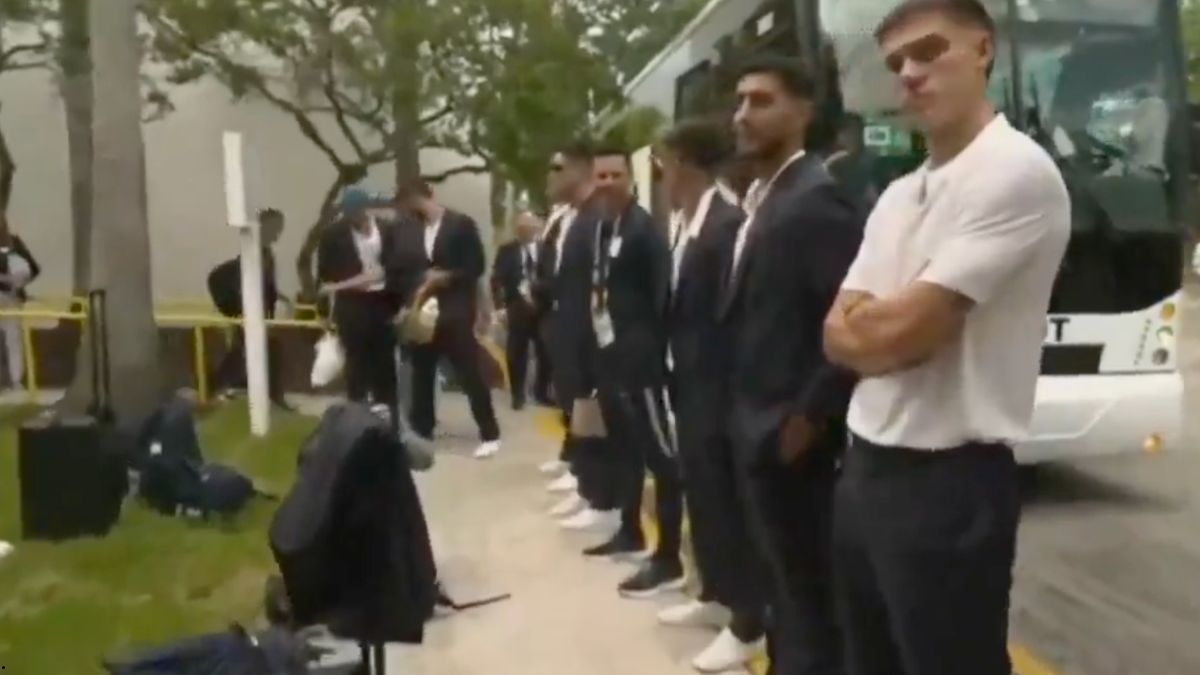
Uruguay became the latest national football team to face intense US security screening at the 2026 FIFA World Cup, with players subjected to drug-sniffing dogs, metal detectors, and inspections by uniformed officers ahead of their opener against Saudi Arabia, in what critics are calling a pattern of treatment that has turned the tournament into a diplomatic embarrassment for both the United States and FIFA.
The Uruguay incident, which visibly frustrated players including Manchester City midfielder Manuel Ugarte, follows a near-identical sequence involving Senegal and Uzbekistan in the opening days of the tournament. Senegal players were subjected to intense bag inspections and body scans, including their shoes, on the airport tarmac in San Antonio, Texas, immediately after landing. Videos of players lined up for thorough checks spread rapidly on social media, drawing widespread accusations of discriminatory treatment. The Uzbekistan squad encountered drug-sniffing dogs, metal detectors, and bag searches at their New York training venue after already clearing airport entry, with coach Fabio Cannavaro and players expressing visible discomfort. Reports have also emerged of Iraqi players being detained and questioned, and a Somali referee being denied entry entirely.
The US continues to humiliate the soccer teams that play in the World Cup. Now it was Uruguay’s turn. The players were treated like drug traffickers, with inspection by anti-drug dogs and uniformed with metal detectors.
FIFA perpetrated a historic shame this year.📹… pic.twitter.com/CFtZB1KPbJ
— César Biondini (@BiondiniCesar) June 15, 2026
A pattern, not an isolated incident
The consistency across multiple incidents points to a systemic rather than random application of heightened security protocols to specific nationalities and delegations. European teams have generally faced lighter scrutiny, a disparity that has not gone unnoticed by affected teams, their football associations, or the international media covering the tournament. The checks appear to stem from the broader strict immigration and vetting protocols of the current US administration, applied indiscriminately to World Cup arrivals from certain countries without accommodation for the specific context of athletes travelling for a major international sporting event under FIFA accreditation.
FIFA under four
FIFA has faced pointed criticism for failing to secure adequate guarantees from US authorities before awarding co-hosting rights to a country whose border security posture was clearly going to create friction with the realities of hosting teams from across the world. The organisation’s hosting framework is expected to include protocols that protect teams and officials from exactly this kind of treatment, and the failure to enforce those protections has been described by commentators and affected officials as a historic embarrassment for the governing body.
The 2026 World Cup is jointly hosted by the United States, Canada, and Mexico, with 78 of 104 matches being played across US venues. The scale of the tournament’s US footprint means that teams from Africa, Asia, Central Asia, and the Middle East must navigate American entry and security protocols for the duration of their participation, creating a prolonged exposure to the same conditions that have already generated outrage three times in the tournament’s opening week.
For a tournament that FIFA has positioned as the largest World Cup in history, the security controversy threatens to become one of its defining early narratives, overshadowing the football itself and raising questions about the preparedness of US authorities to host a genuinely global sporting event with the dignity that participating nations are entitled to expect.

Comments are closed.