
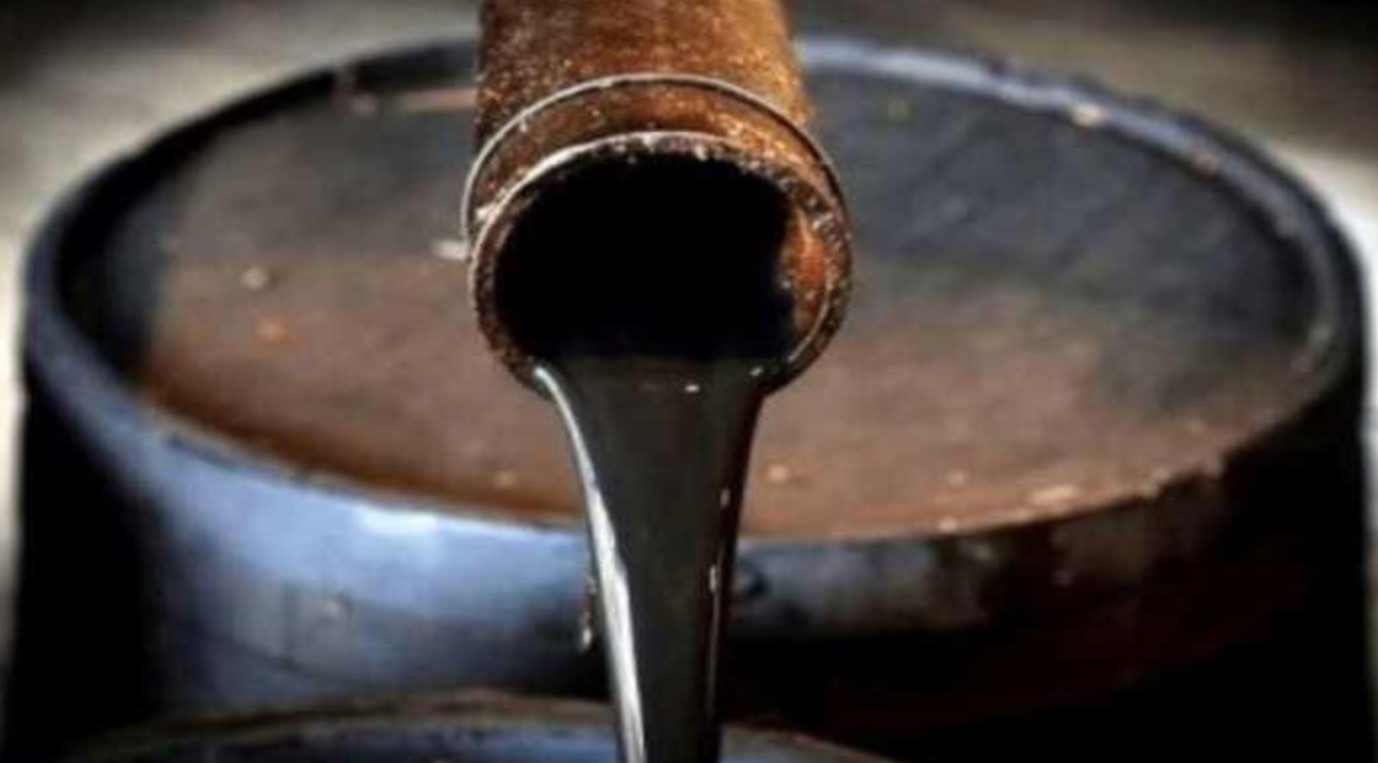

A barrel of crude oil — exactly 42 US gallons or 159 liters — undergoes fractional distillation in a refinery. The heat separates its hydrocarbon molecules based on their boiling point, yielding a precise mix of products that power transportation, industry, and everyday things.
According to standard industry classifications (primarily EIA’s US refining data and similar global averages), a typical barrel is made up of roughly:
– Gasoline (petrol): ~42–45% — largest share, primarily for passenger cars.
– Diesel and distillates: ~25–27% — to power trucks, buses, trains, ships, construction equipment, and backup generators.
– Jet fuel (kerosene): ~8–10% — Required for commercial aviation.
Overall, road fuel (gasoline + diesel) makes up about 69% of the barrel, or about 110 liters. They are dominant because modern economies are built around road transport.
The remaining ~31% includes:
– Jet fuel and marine fuel oil: Vital for aviation and international shipping (which carries ~90% of global trade). Electrifying these sectors is more difficult than electrifying on-road vehicles.
– Petrochemical feedstock (e.g., naphtha): ~4–7% — These are not burned for energy, but are turned into plastics, synthetic fabrics, medicines, fertilizers, detergents, and countless consumer goods.
– LPG (propane/butane): ~3–5% — Used extensively for cooking in many developing regions.
– Lubricants, wax, bitumen, and others: ~5–10% — to keep machines running smoothly and to pave roads, roofs, and runways.
Refining often yields slightly more than 159 liters of product due to “processing gain” from rearrangement of molecules.
Why this matters for the energy transition
This barrel illustrates the deep structural role of oil. The electrification of cars is a challenge to gasoline demand (which is now beginning to stabilize in some developed markets). Electric trucks and efficiency improvements impact diesel. However, there are no easy and widely available alternatives at the current technological level for aviation, shipping, plastics, fertilizers, lubricants, and asphalt. It is estimated that by 2030, most of the growing demand for oil will be influenced by the demand for petrochemicals.
Refineries optimized for gasoline-intensive production may have to turn to higher-priced petrochemicals and jet fuel due to increased demand for road fuel. Thus, a barrel reflects the priorities of industrial civilization and the complex challenges of reducing dependence on it.
Understanding where each component is used is essential to practical discussions about energy security, materials, and speed of change. A barrel serves many of the needs of daily life today, more than most people even realize.

Comments are closed.