
FIR Against Vedanta Chairman Anil Agarwal After Deadly Chhattisgarh Power Plant Blast Kills 20

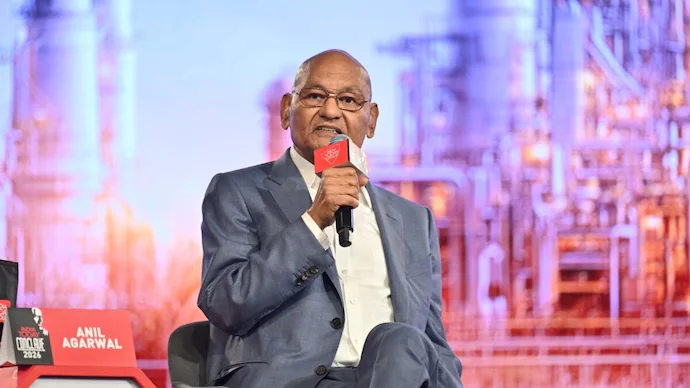
A devastating industrial accident in Sakti district has not only claimed lives but also triggered a major legal crackdown. An FIR has been filed against Anil Agarwal, the chairman of Vedanta Group, along with several other individuals, following a catastrophic explosion at a power plant that killed 20 people and left 16 injured.
The incident has once again put the spotlight on industrial safety standards in India’s heavy industries.
Credits: Deccan Herald
The Fatal Explosion: What Happened?
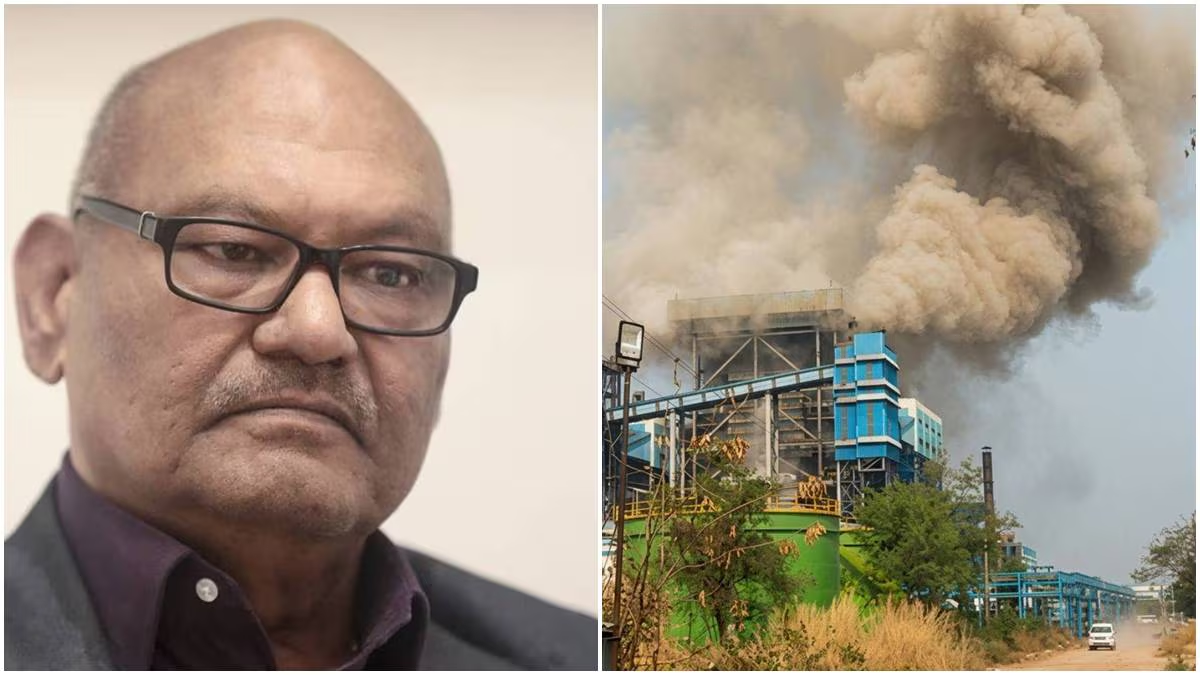
The explosion happened at the Athena Power facility in Singhitarai village on April 14 at about 2:30 pm. The explosion started in a steel tube that transported high-pressure steam from the boiler to the turbine, a crucial part of producing energy, according to early accounts.
Workers nearby were engulfed by the extremely hot steam and pressure produced when the tube ruptured. Twenty people died as a result of serious burn injuries, while sixteen others were sent to hospitals for treatment.
The magnitude of the mishap suggests that the plant’s boiler system failed abruptly and severely, giving employees little time to respond.
FIR Filed: Who Has Been Named?
In accordance with the rules of the Bharatiya Nyaya Sanhita, a case was filed at the Dabhra police station after the occurrence. The charges included acts done with common intention, negligent management of machinery, and causing death by negligence.
Eight to ten people, including Anil Agarwal, have been identified in the FIR, according to police officials. Additionally, authorities have stated that as the investigation goes on, more names may be included.
This action indicates that investigators are investigating responsibility at higher management levels in addition to on-the-ground personnel.
What the Initial Probe Reveals
Preliminary findings from technical and forensic investigations suggest that the explosion was not entirely accidental but may have been triggered by operational lapses.
According to the Chief Boiler Inspector’s early report, excessive fuel accumulation inside the boiler furnace led to a dangerous build-up of pressure. This pressure eventually caused a violent rupture within the system.
The force of the blast reportedly displaced a lower pipe in the boiler assembly, leading to a chain reaction that resulted in the massive explosion.
Adding weight to these findings, a report from the Forensic Science Laboratory in Sakti confirmed that fuel accumulation and excessive pressure were the primary causes behind the disaster.
Conflicting Triggers: Leak or Pressure Build-Up?
It’s interesting to note that plant authorities have provided a somewhat different account of what happened. They assert that a leak in the high-pressure steam tube that connected the boiler to the turbine caused the explosion.
Although technical failure is implied by both theories, the distinction is important. While a leak could be a sign of equipment failure or postponed repairs, a fuel accumulation problem indicates systemic neglect in maintenance and monitoring.
To ascertain the precise order of events, investigators are currently attempting to reconcile various testimonies.
Larger Questions on Industrial Safety
This incident raises uncomfortable but necessary questions about safety practices in large-scale industrial operations. Power plants operate under high pressure and temperature conditions, making strict adherence to safety protocols non-negotiable.
Any lapse—whether in maintenance, inspection, or real-time monitoring—can lead to catastrophic consequences, as seen in this case.
The fact that such a large number of workers were exposed to danger also raises concerns about emergency preparedness and evacuation mechanisms at the facility.
Credits: The Financial Express
What Lies Ahead?
The inquiry is anticipated to step up now that the FIR has been filed. To find errors and assign blame, authorities will review the plant’s operational protocols, safety audits, and maintenance records.
The families of the victims continue to prioritize responsibility and justice. However, this tragedy serves as a sobering warning to the business that safety cannot be ignored, not even for a split second.
As the investigation progresses, all eyes will be on how strictly accountability is upheld and whether this occurrence results in more stringent regulations throughout India’s industrial sector.

Comments are closed.