
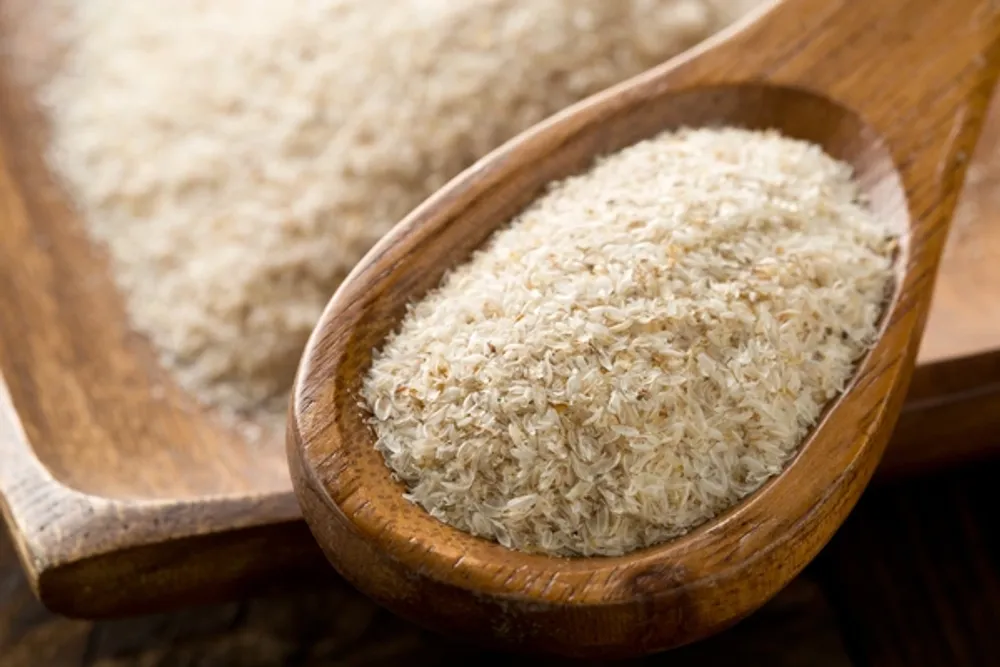

The initial phase wasn’t smooth. During the first two days, he felt unusually tired and couldn’t pinpoint the cause. Soon, he realized dehydration was the issue. Psyllium absorbs a large amount of water in the digestive system, and without enough fluids, it can leave the body feeling drained. Once he increased his water intake, his energy bounced back within a day.
By day three, things started to shift. His appetite dropped noticeably, and he began feeling full between meals. Snacking reduced on its own, and cravings became less frequent, even though he wasn’t intentionally trying to eat less.
From day four, his bowel movements became more consistent and improved significantly. As the routine continued, his digestion kept getting better. By the end of the first week, he described his stomach as feeling calmer than it had in years, with less bloating, minimal gas, and an overall sense of digestive ease.
I max dosed psyllium husk but did not expect this.
For the past 28 days, I’ve maxed out on psyllium husk, taking two tablespoons 3x a day, and it’s quietly changed my life.
Here’s what it did to my body: pic.twitter.com/t4Rhlypb2P
— Dan Go (@CoachDanGo) April 16, 2026
Dan explained that psyllium husk is a soluble fiber that turns into a gel-like substance when it comes in contact with water. This gel slows down digestion, nourishes beneficial gut bacteria, and helps regulate blood sugar and cholesterol levels.
He stressed that proper hydration is essential when taking isabgol. Without enough water, it can thicken too much inside the gut and cause discomfort. His recommendation was to drink water equivalent to roughly half of one’s body weight in ounces each day.
Even with its benefits, psyllium husk isn’t necessary for everyone. It works best as a supplement when daily fiber intake from food is lacking. Ideally, fiber should come from natural sources like vegetables, fruits, and legumes.
He also advised that certain people should avoid it altogether, including those with a history of bowel obstruction, severe gastrointestinal narrowing, difficulty swallowing, or individuals taking medications such as GLP-1 that slow digestion.

Comments are closed.